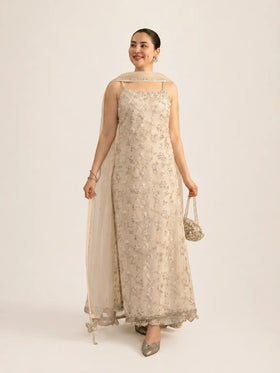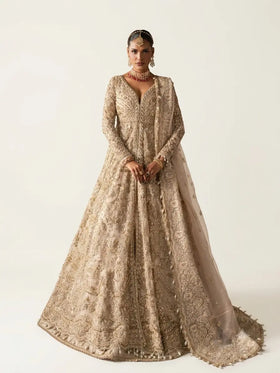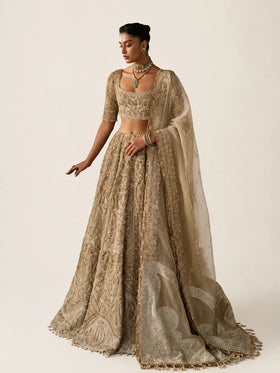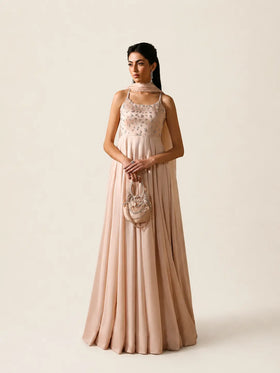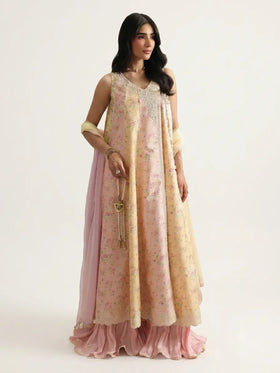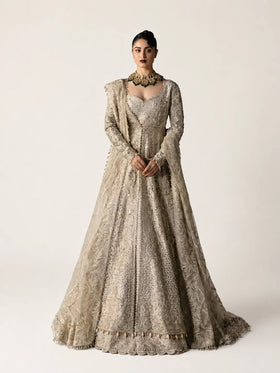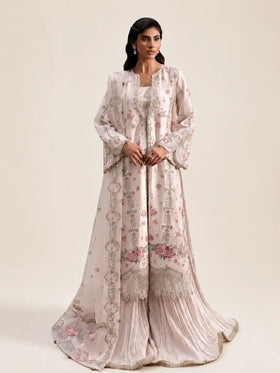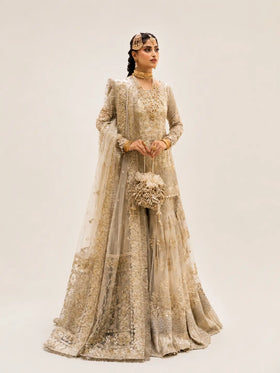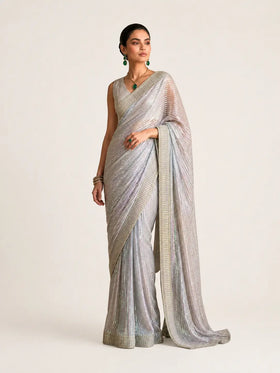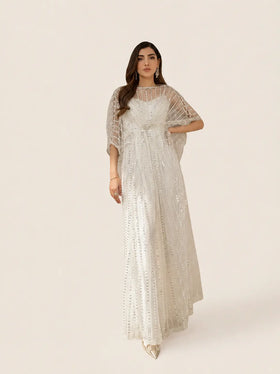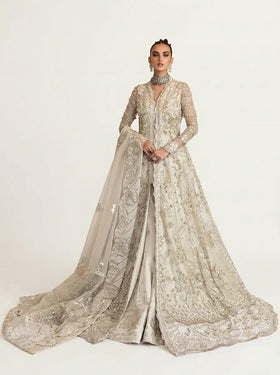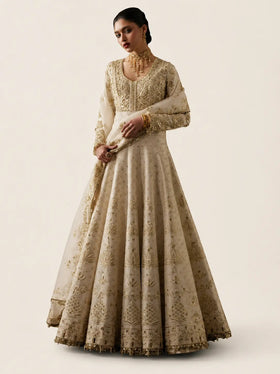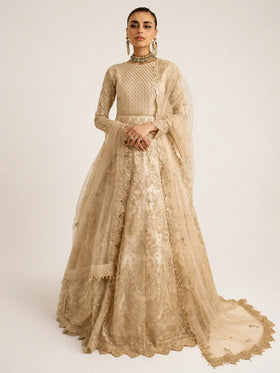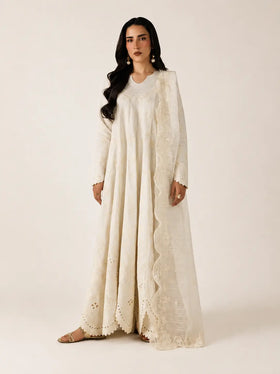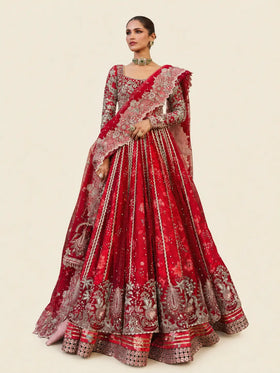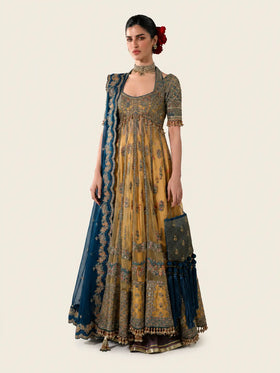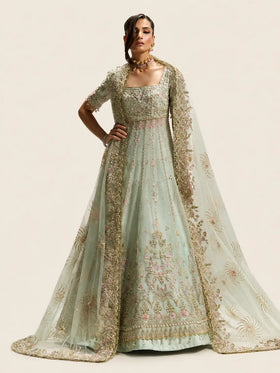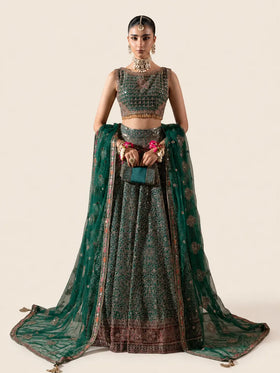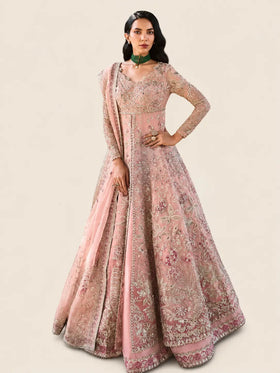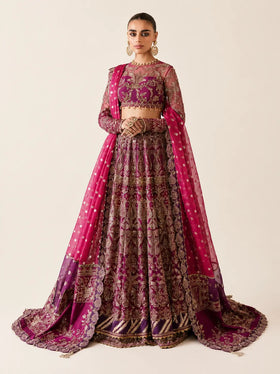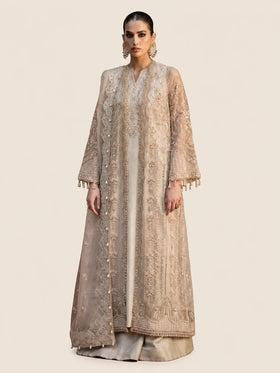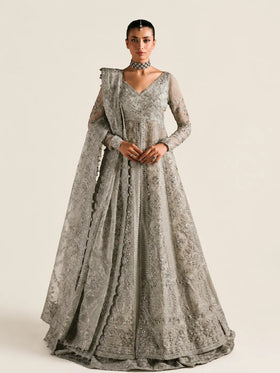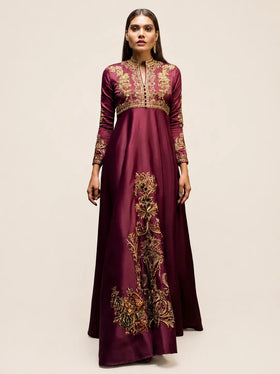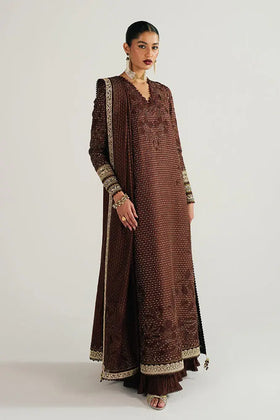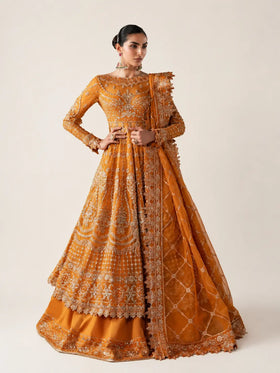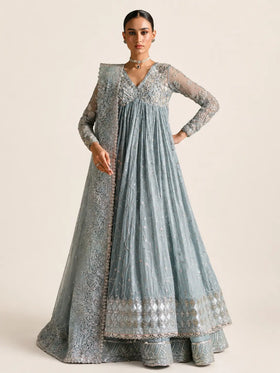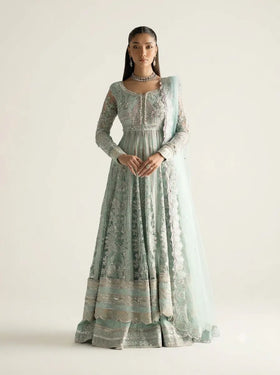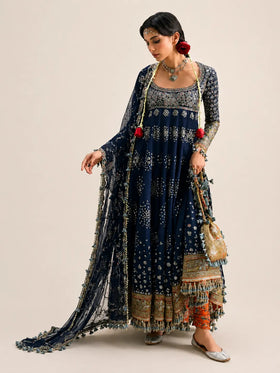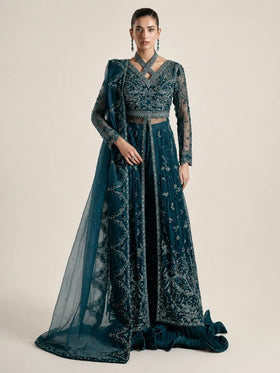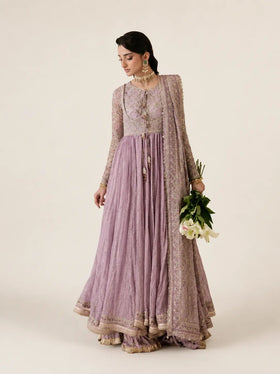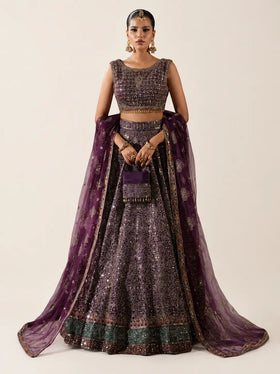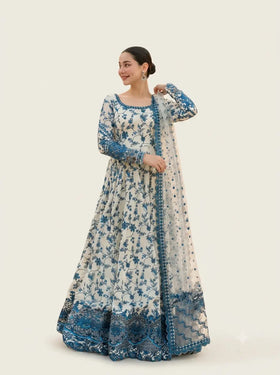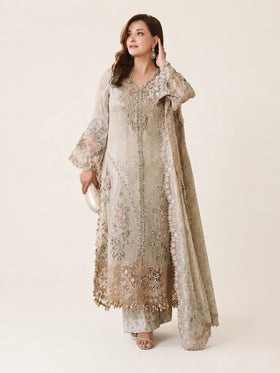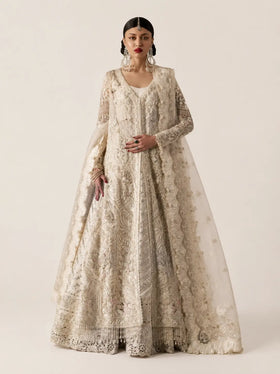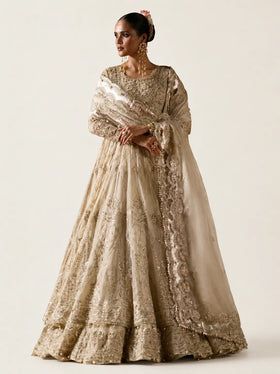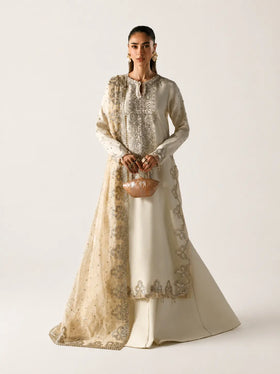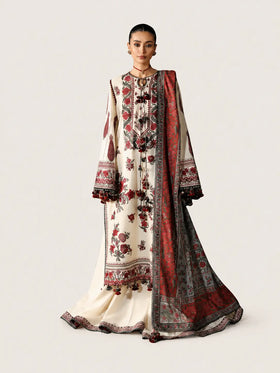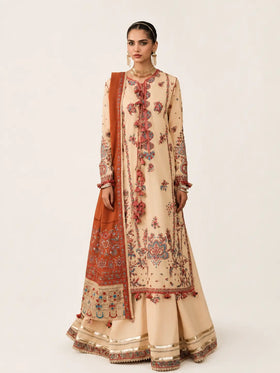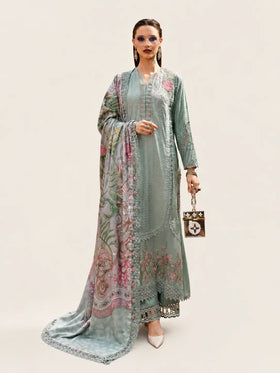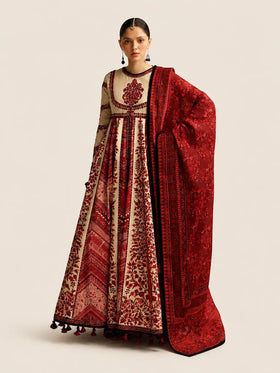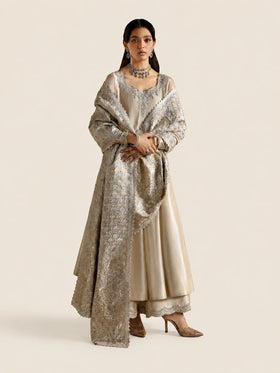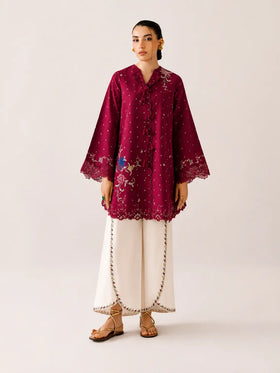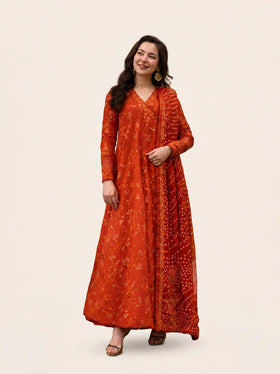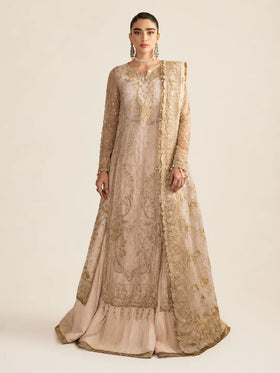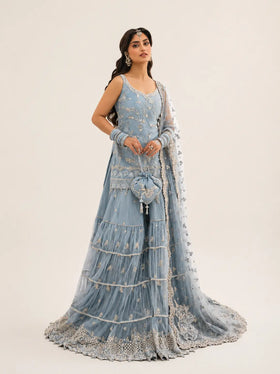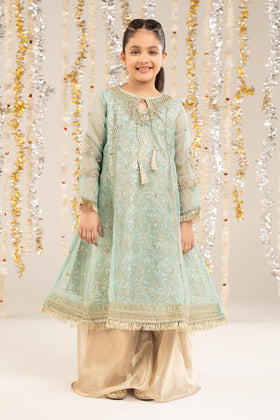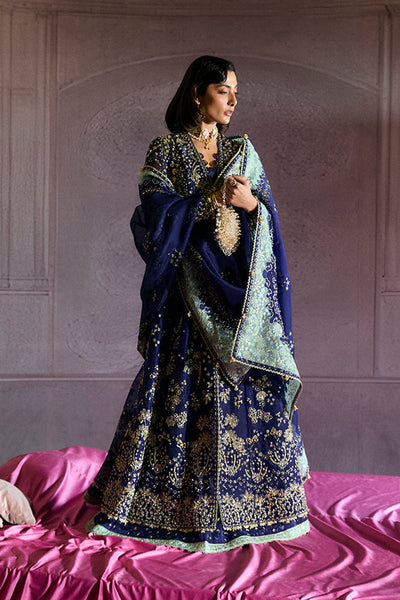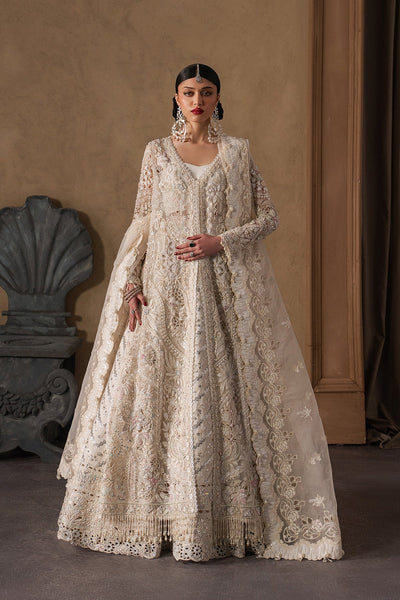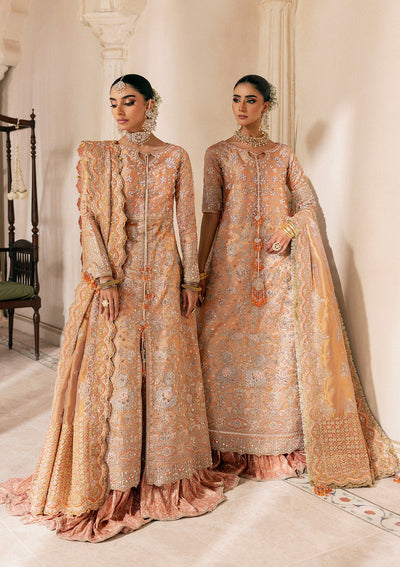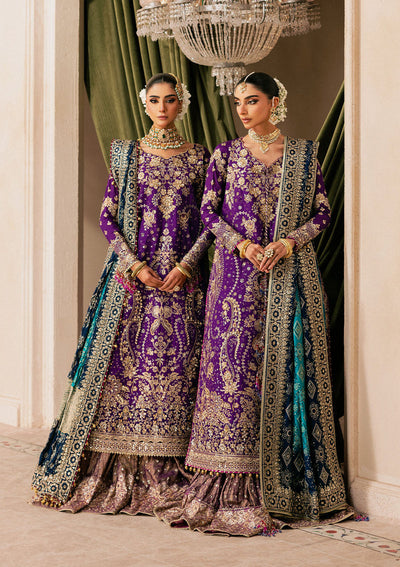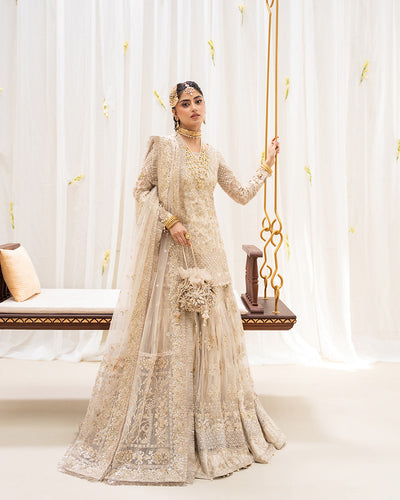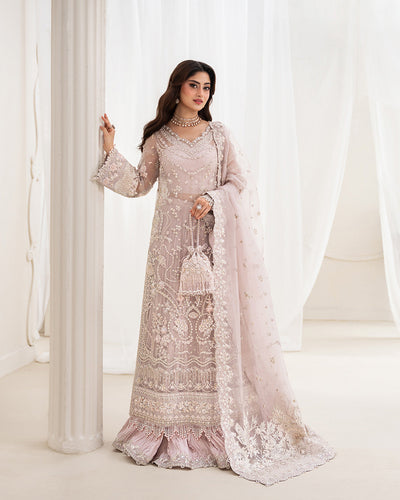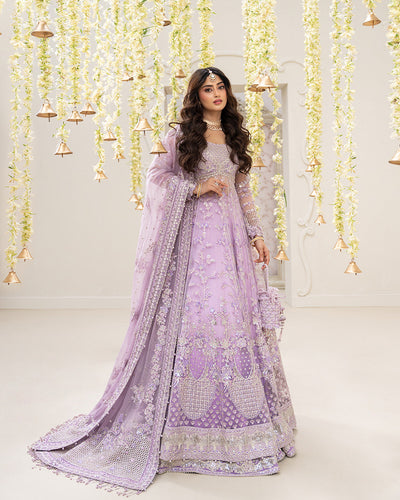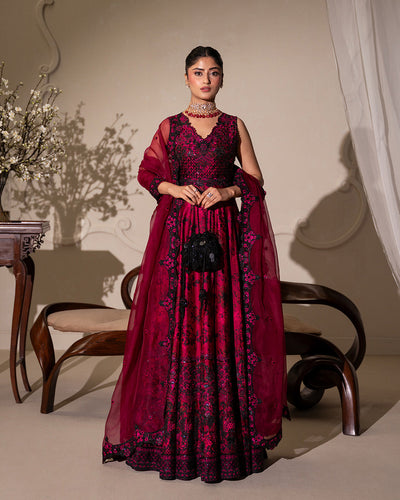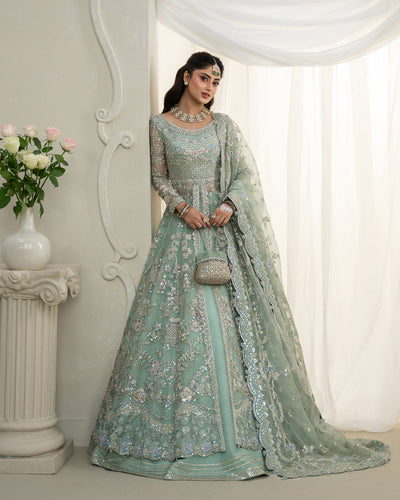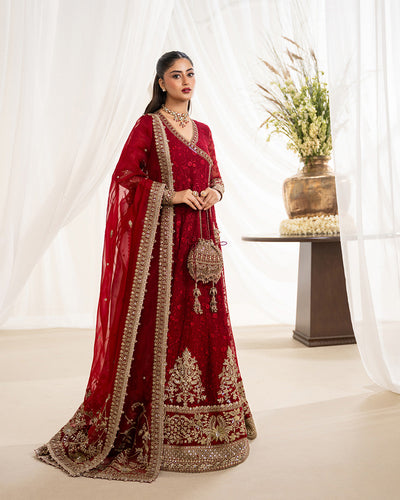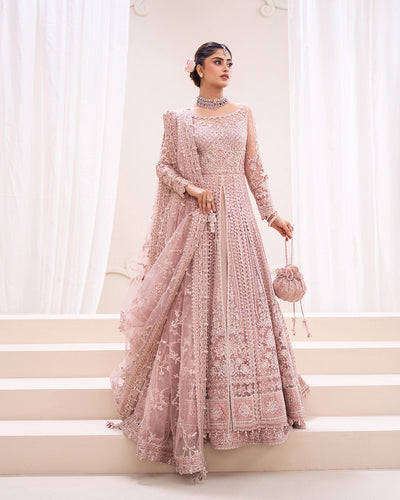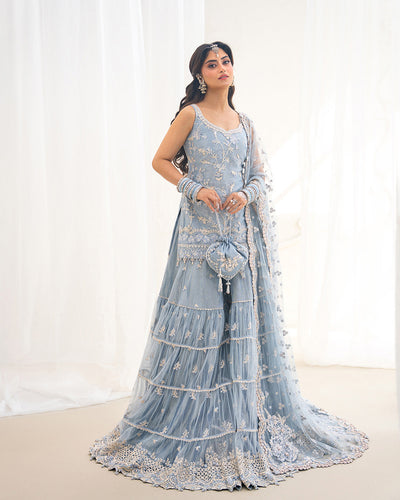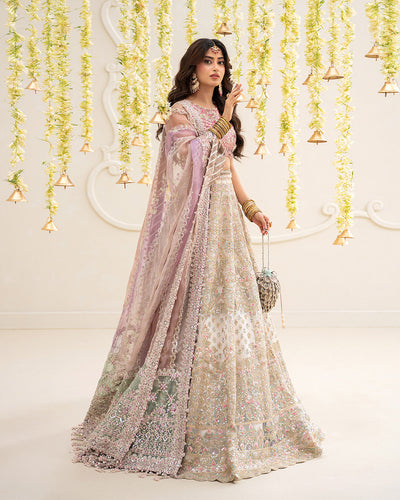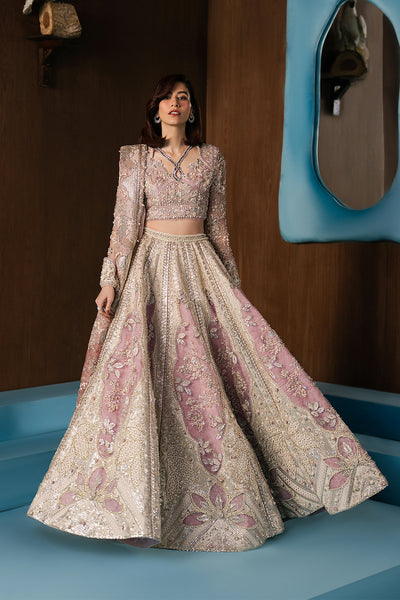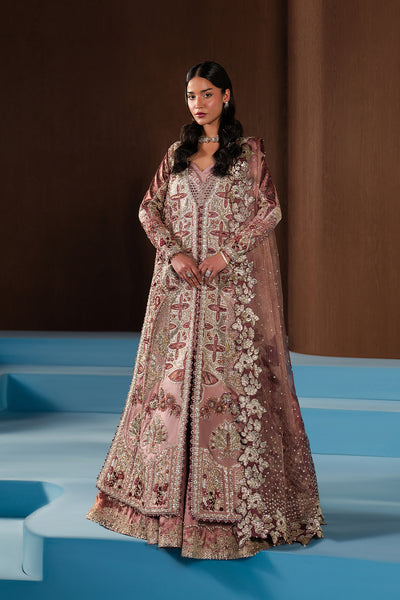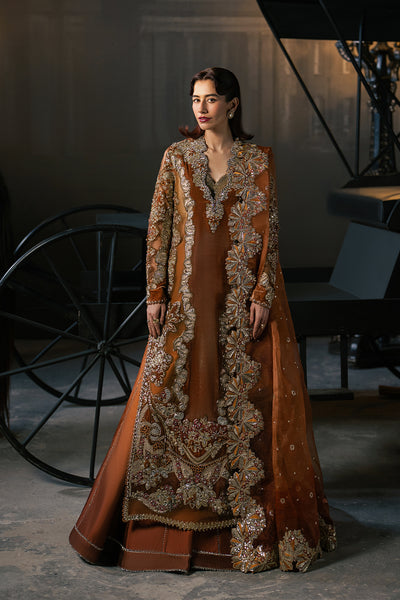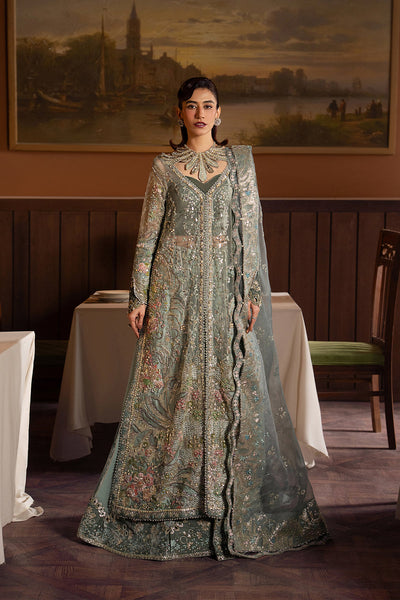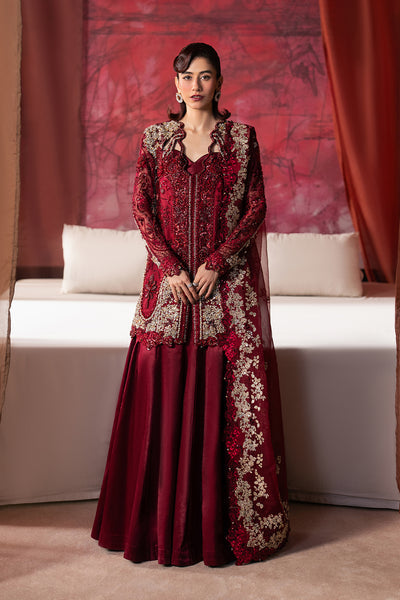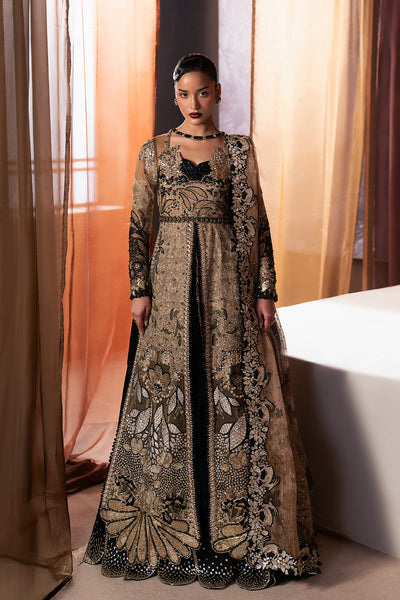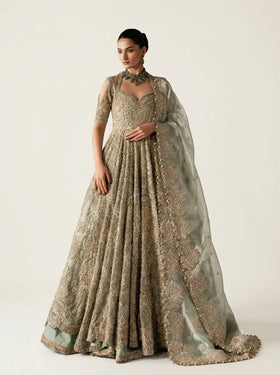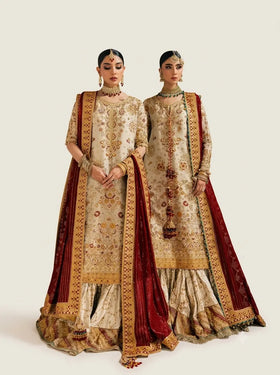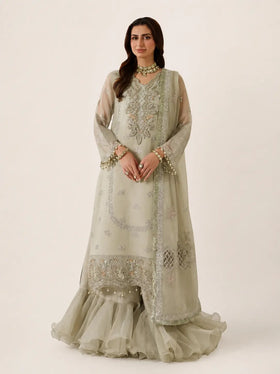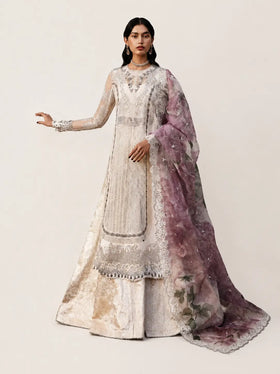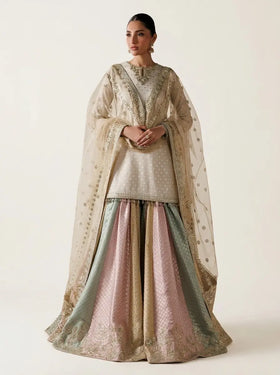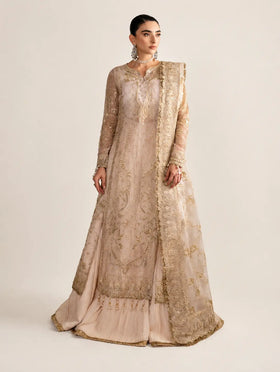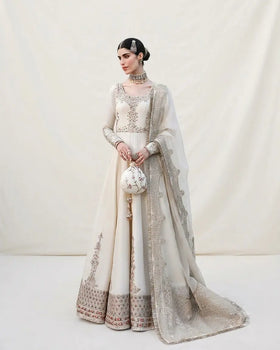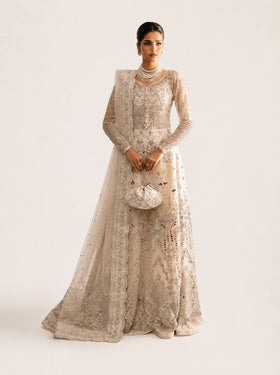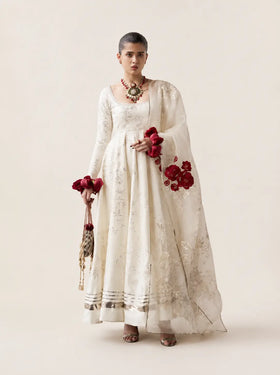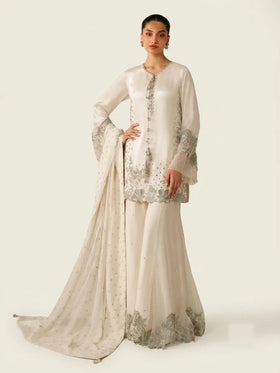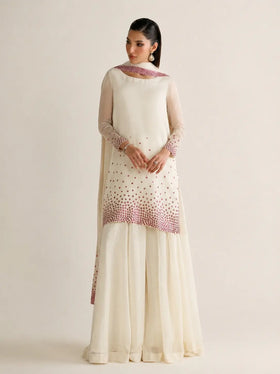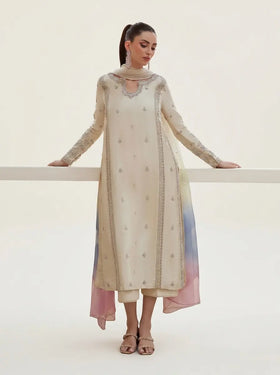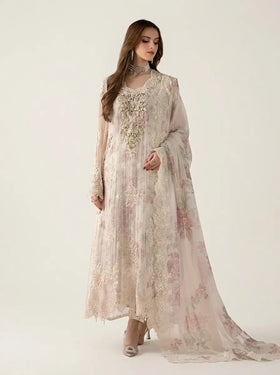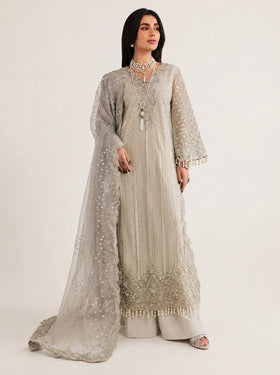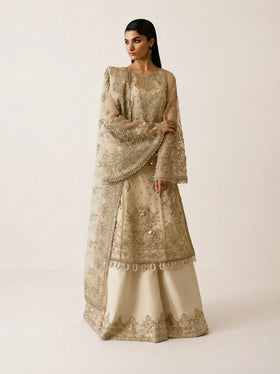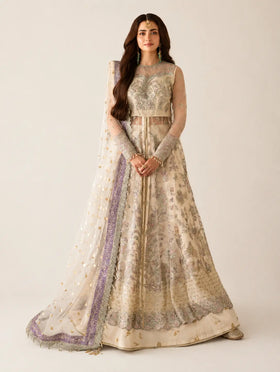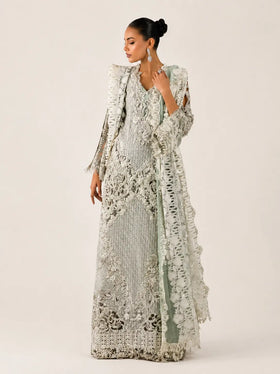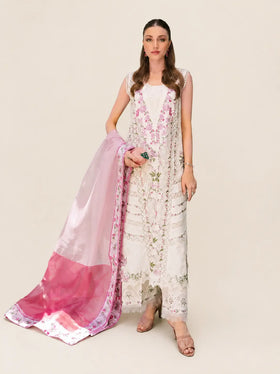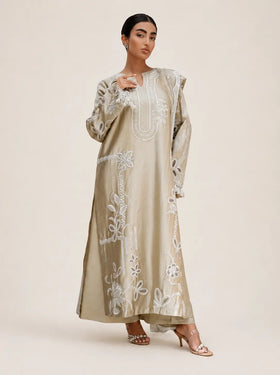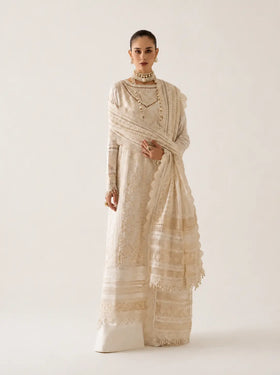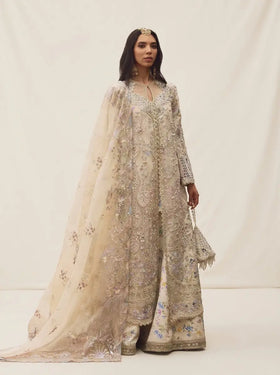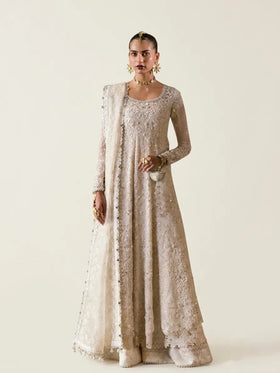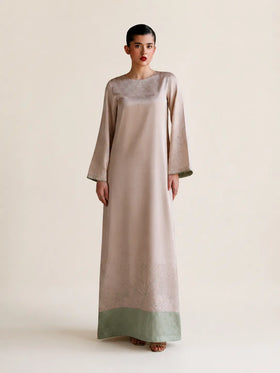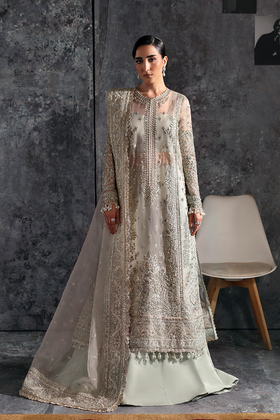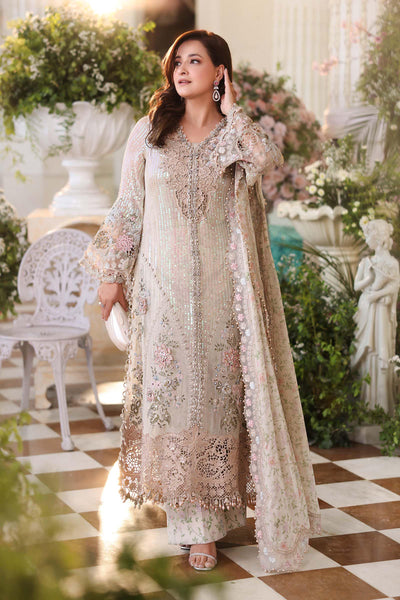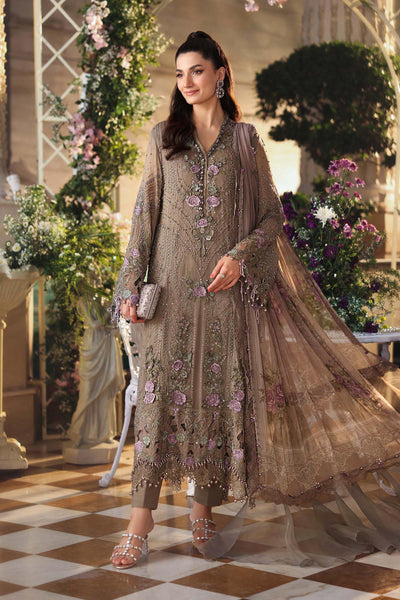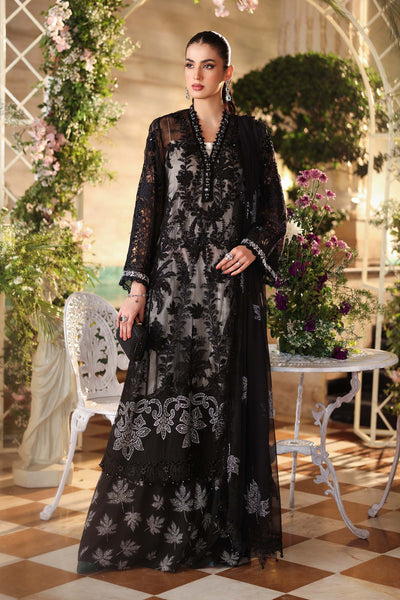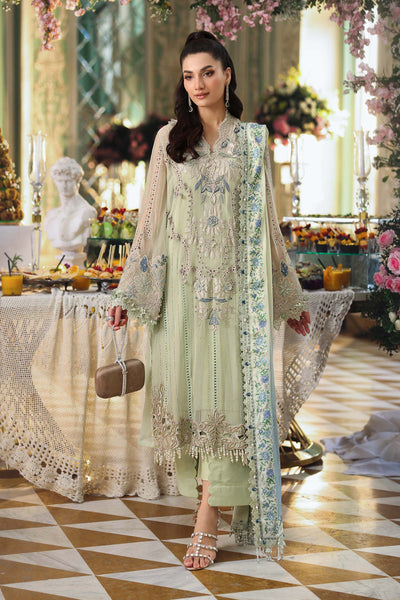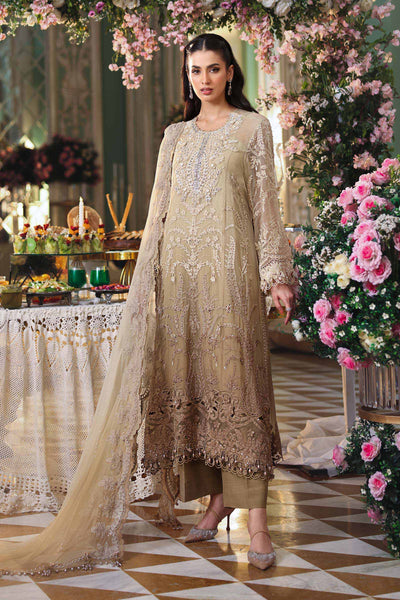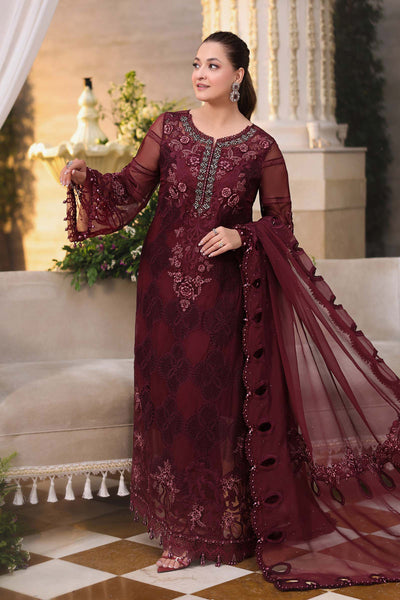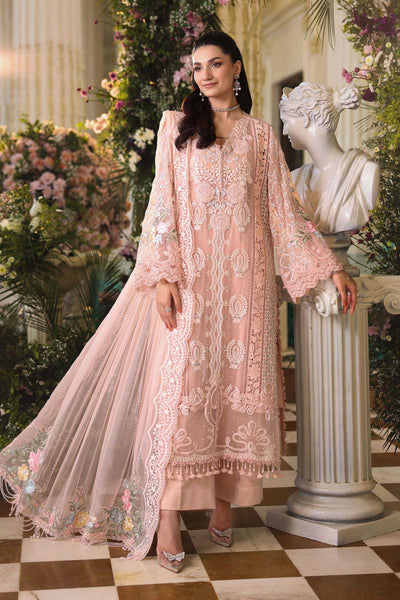
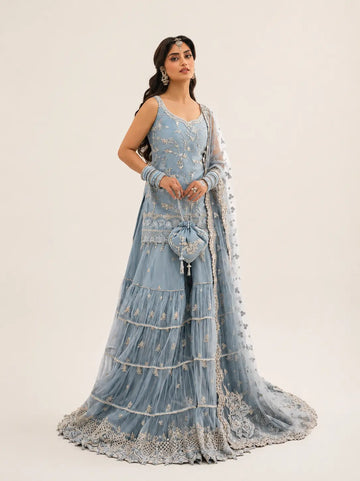
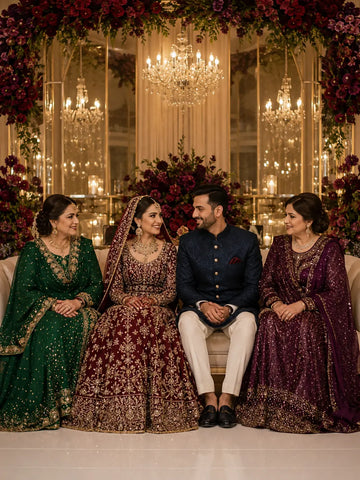
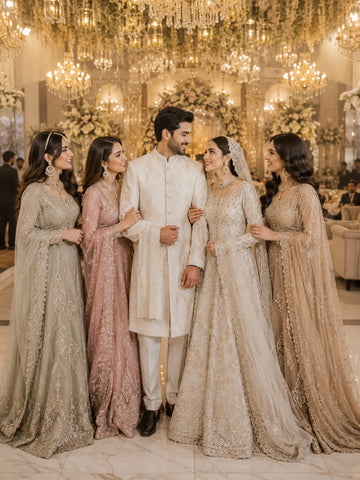
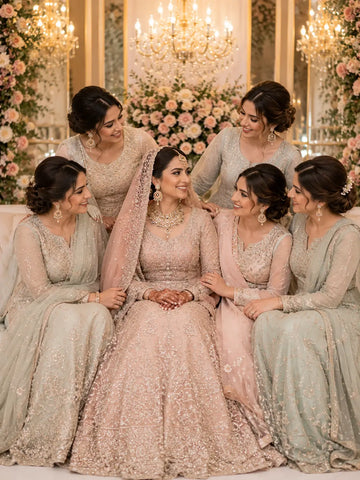
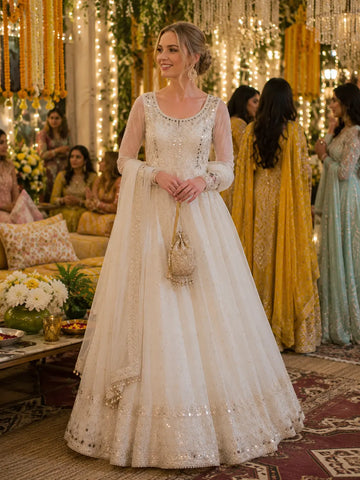
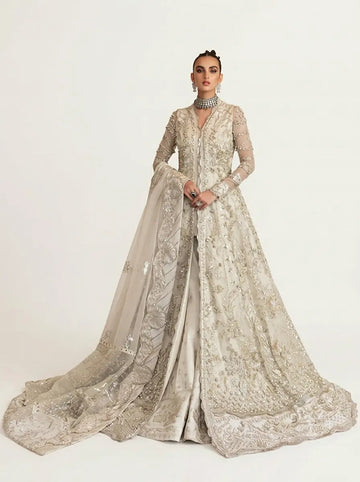
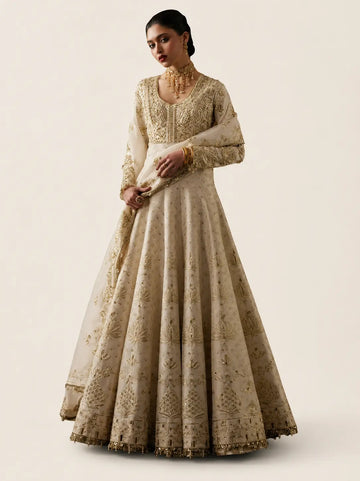
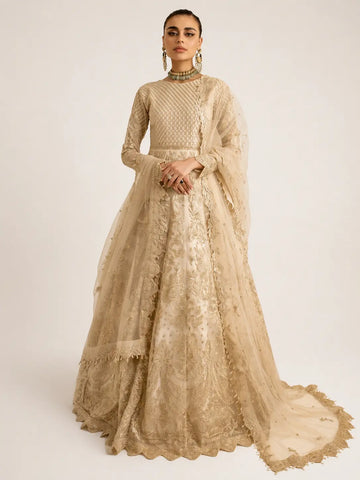

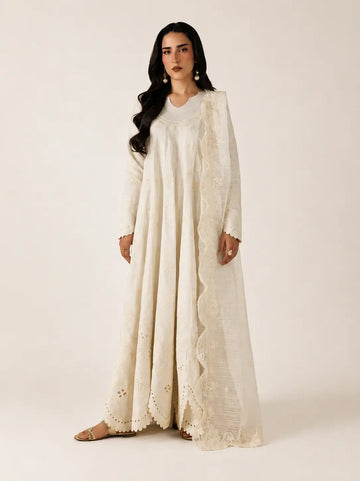
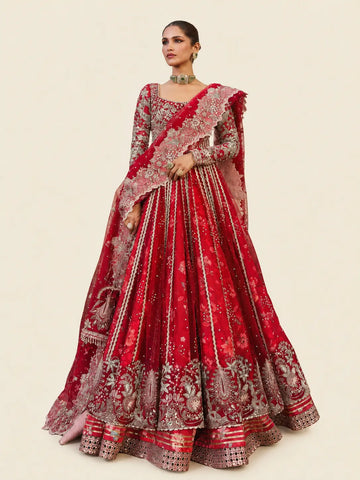
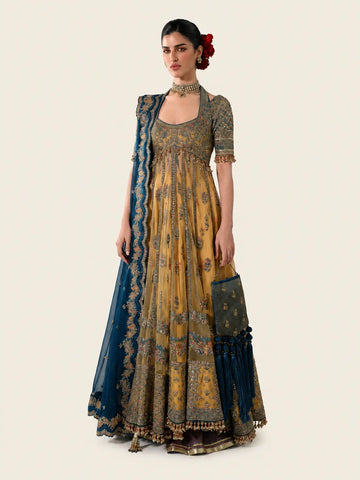
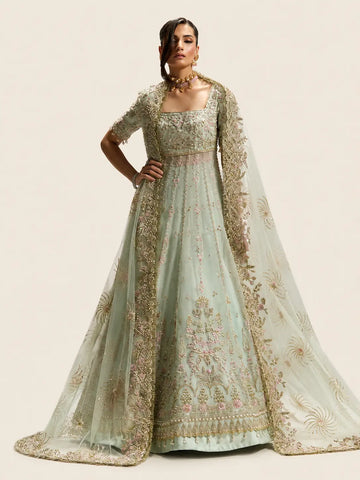
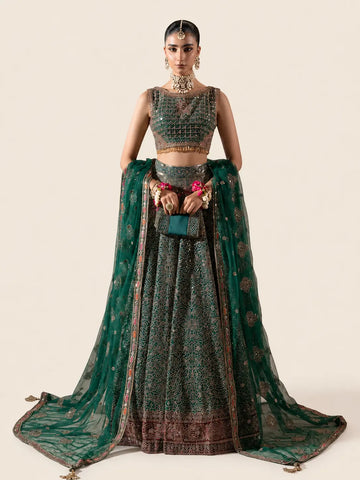
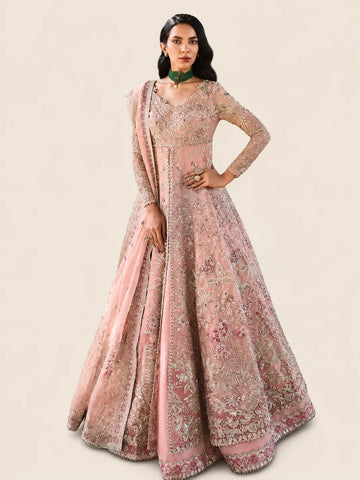
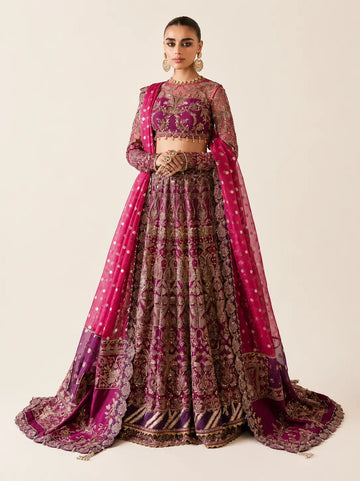
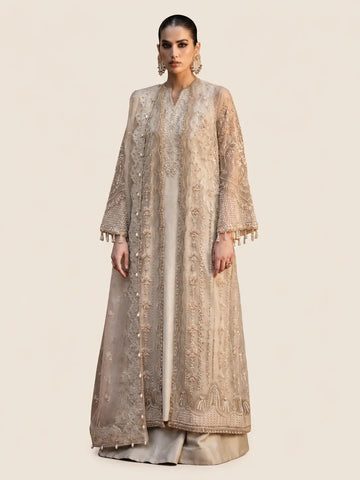
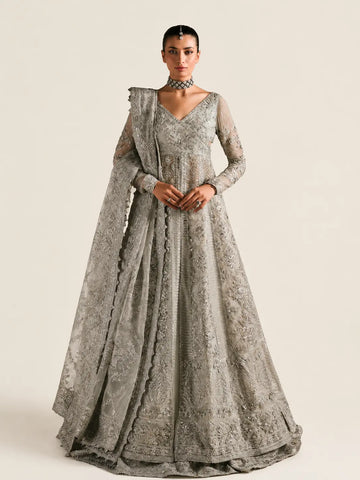
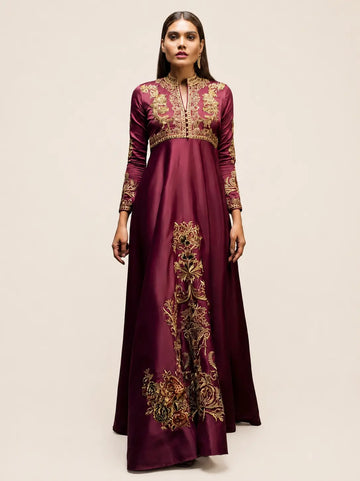
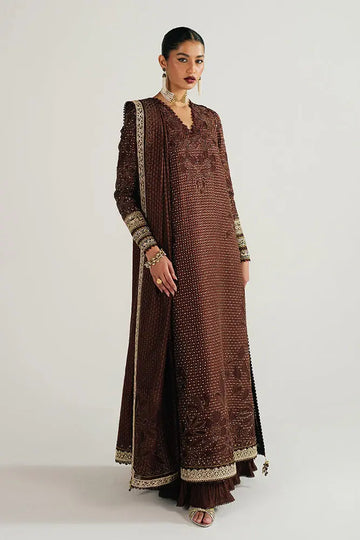
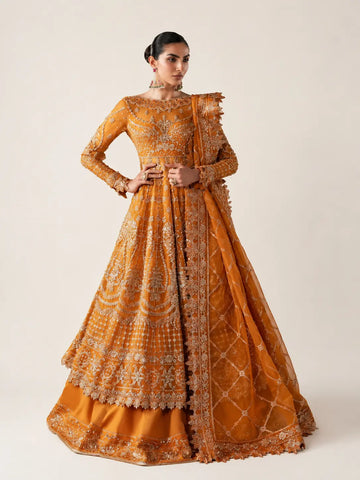
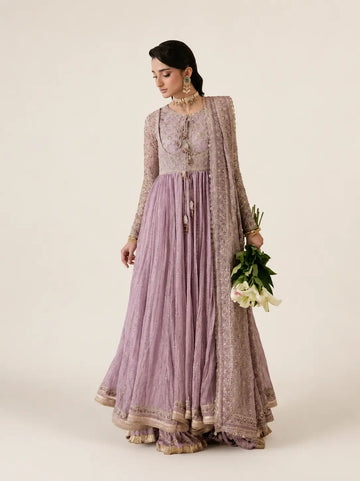
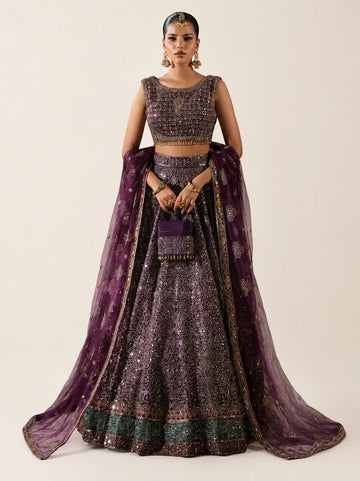
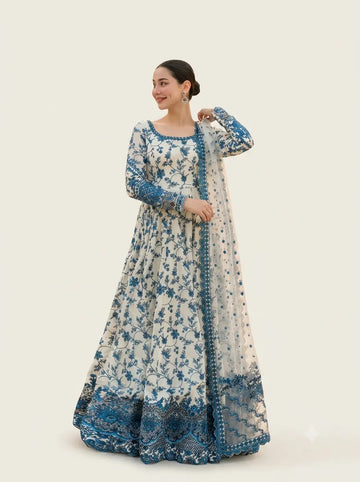
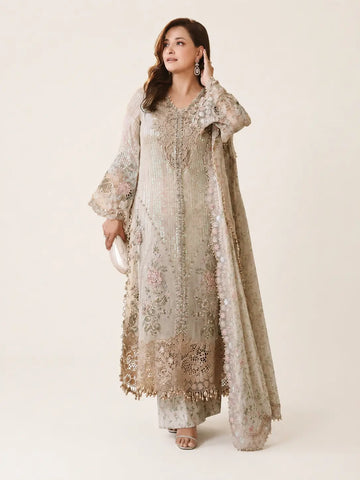
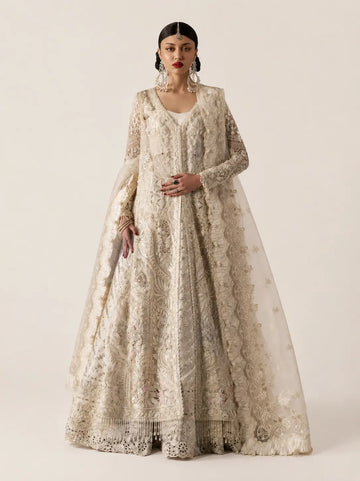
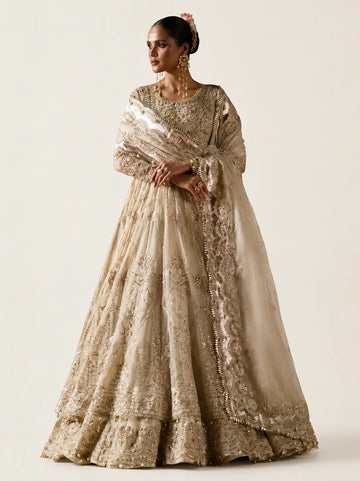
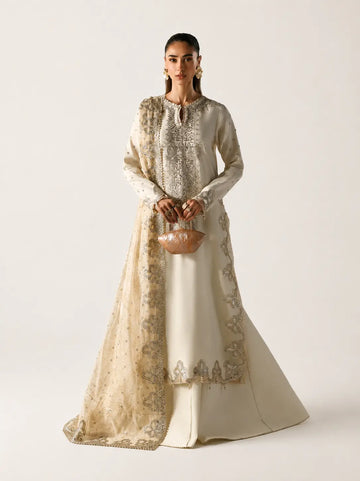
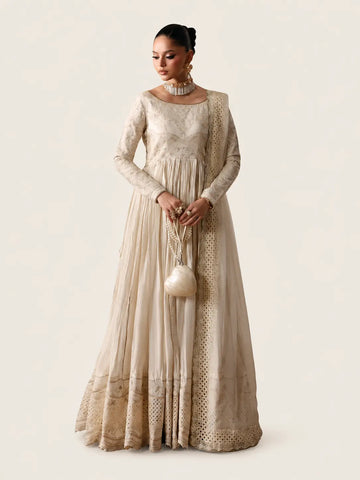
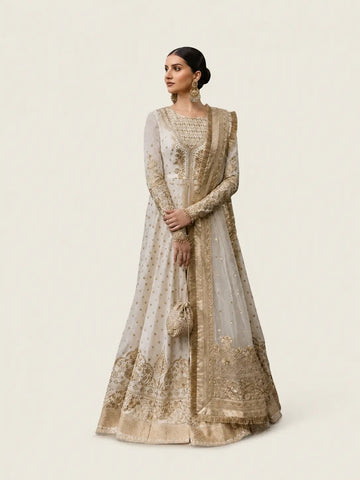
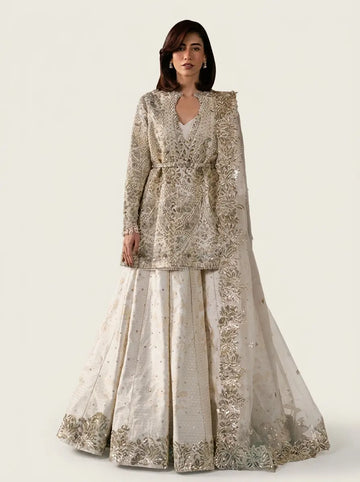
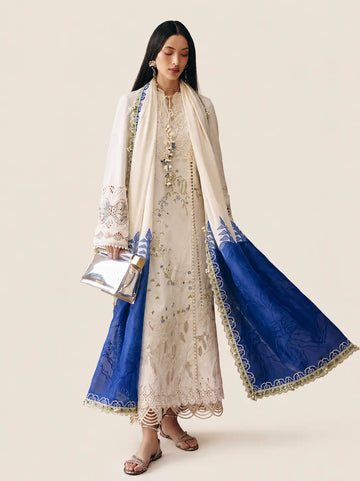
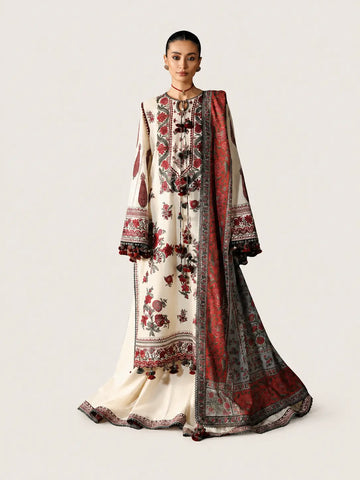
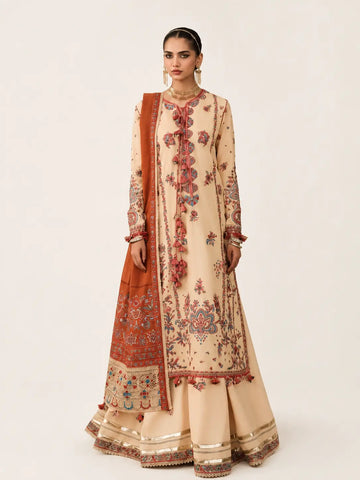
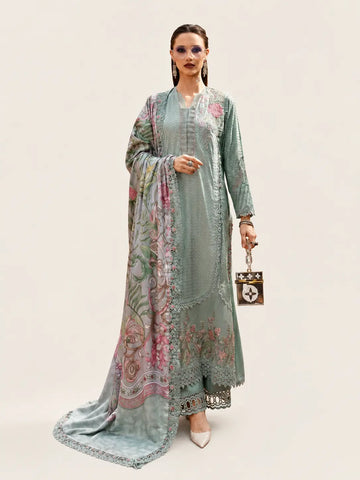
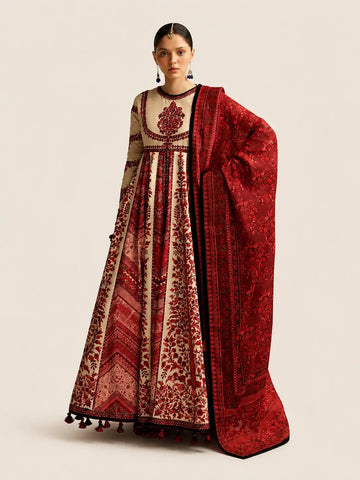
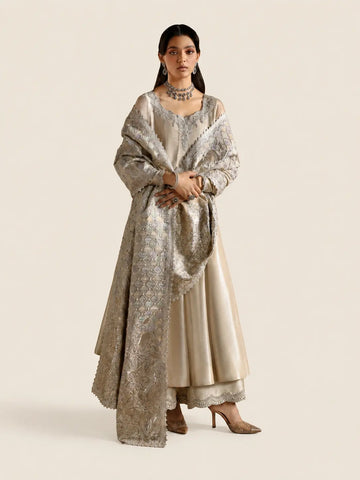
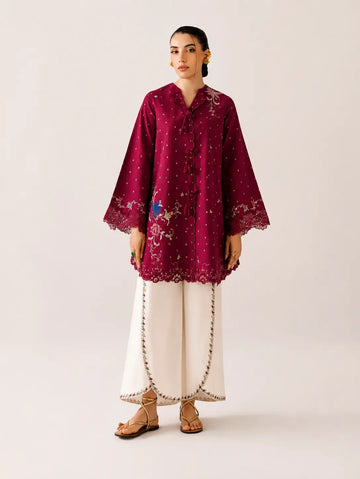
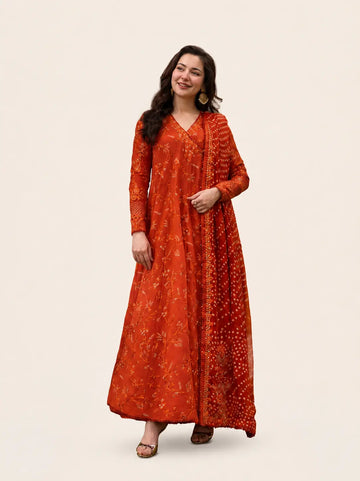
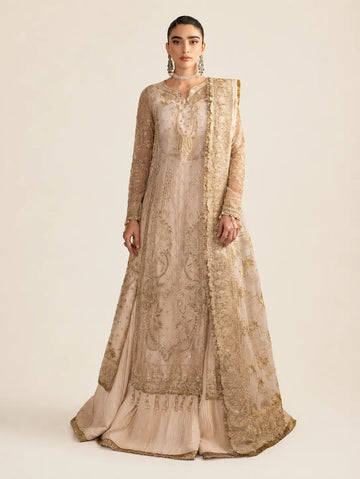
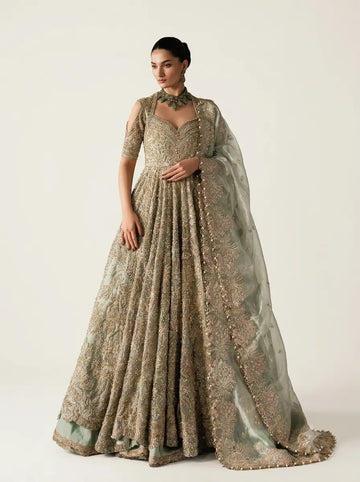
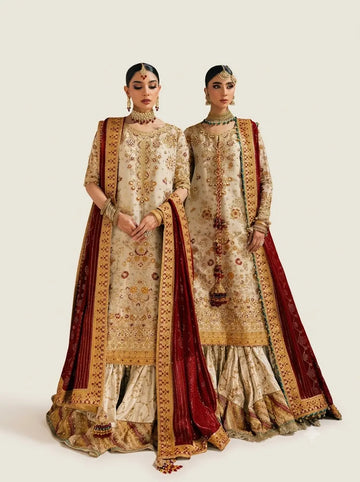
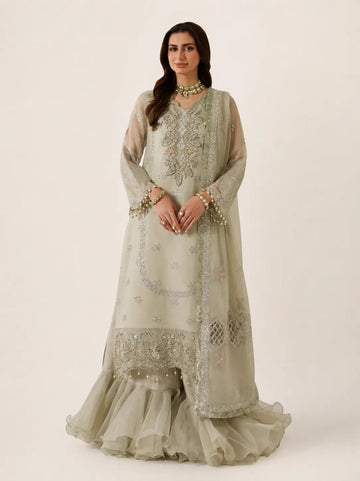
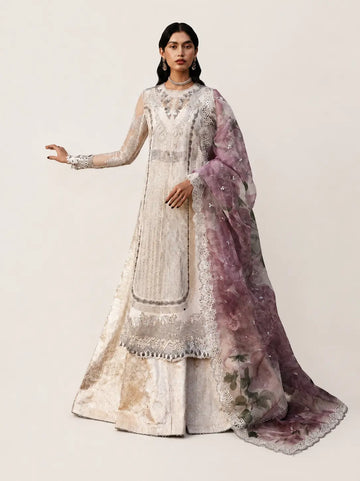
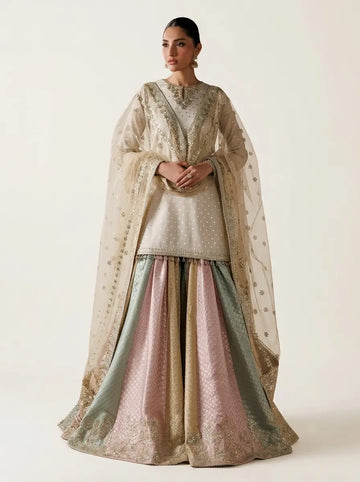
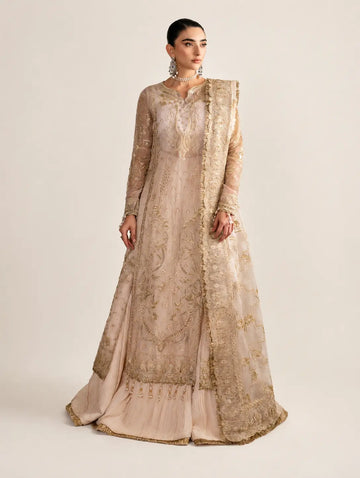
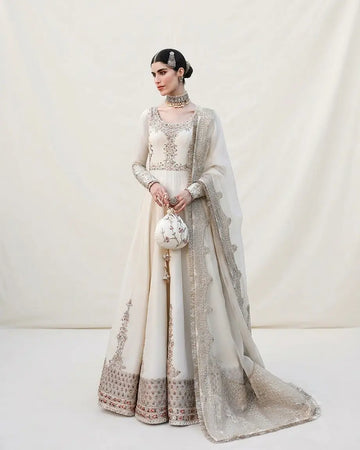
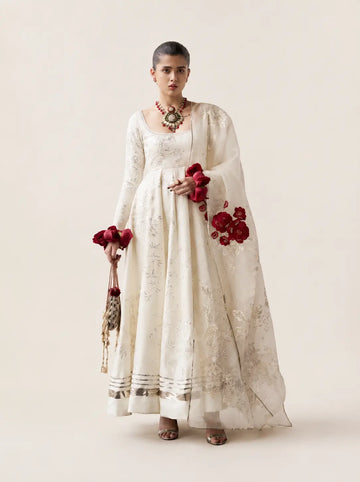
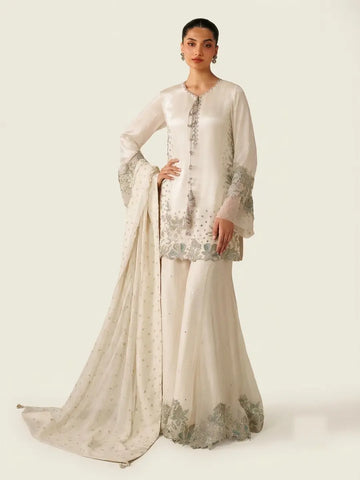
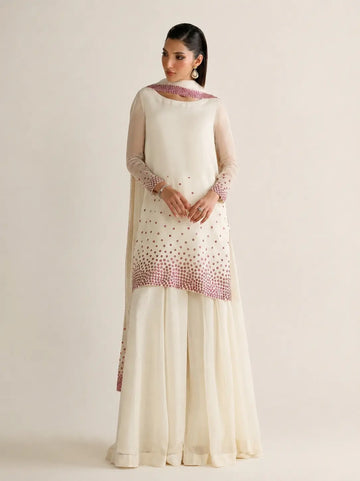
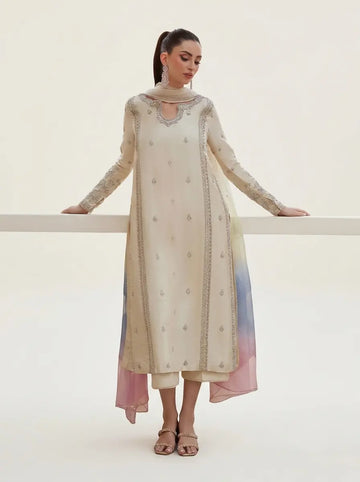
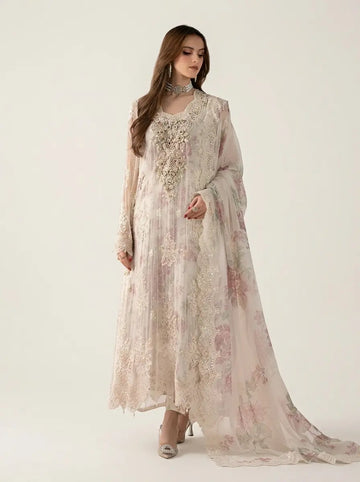

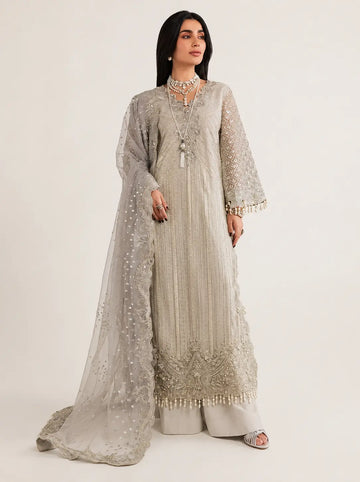
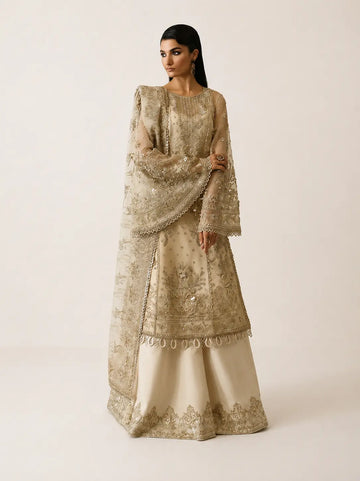
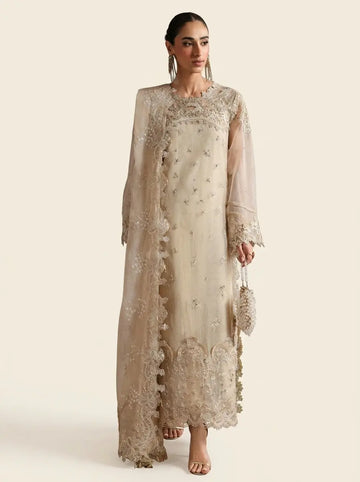
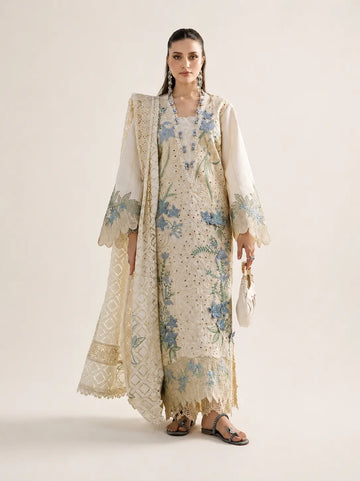
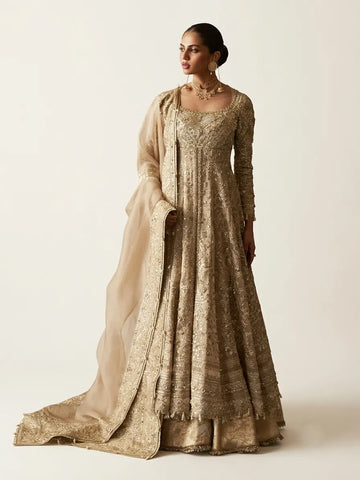
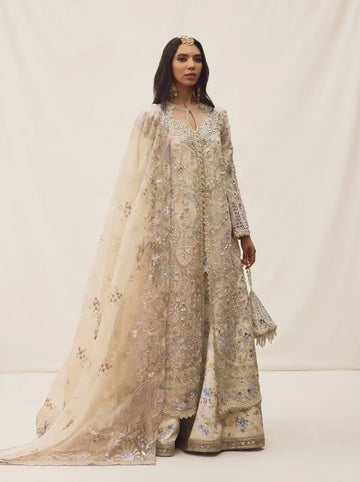
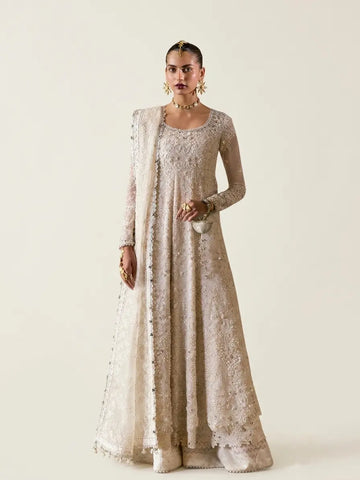
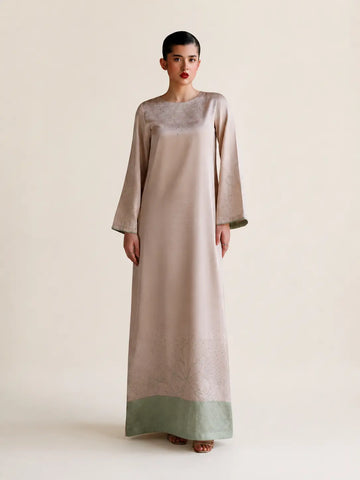
The Complete Guide to Chiffon for Pakistani Fashion in the UK: Types, Styling & Care
Posted on July 12 2026

Chiffon is the soul of Pakistani formal wear and the fabric most people buy without ever really understanding. This is everything I wish someone had told me before my first chiffon purchase: how to spot the real thing, how to wear it for a British wedding, and how to keep it alive for twenty years.
You've found it. The chiffon piece you've been scrolling for the embroidery looks exquisite, the price is somehow reasonable, and you order it before someone else does. Then it arrives. The fabric is stiff rather than fluid. The colour is duller than the photos. And there's a thread already working itself loose at the neckline.
I know that specific disappointment because I've had it. Chiffon is the fabric that carries most of Pakistani formal wear the dupattas, the lehenga layers, the luxury pret kameez you'll actually wear and it's also the fabric that gets faked, mislabelled, and mistreated more than any other. "Chiffon" on a product page can mean 100% silk woven the traditional way, or it can mean a polyester that will trap heat against your skin for four hours at a summer walima.
The difference is enormous. And it's completely learnable.
This guide covers what chiffon actually is, the five types you'll meet in Pakistani fashion and what each is genuinely good for, how to identify quality from a photograph, how to care for heavily embellished pieces so they survive, and how to style all of it for British weather and British venues. By the end you'll buy chiffon with your eyes open.
What Chiffon Actually Is and Why It Feels the Way It Does
Chiffon began in 18th-century France as a silk fabric is a luxury restricted to those who could afford it. The name comes from the French chiffe, meaning cloth or rag, which is a fairly poor description of a fabric that drapes like water. It travelled into South Asian fashion and became indispensable, because it does something no other formal fabric does quite as well: it carries heavy embroidery without carrying heavy weight.
The S-and-Z twist: the reason chiffon behaves as it does
Here's the piece of technical knowledge that will change how you shop. Chiffon isn't defined by its fibre and it's defined by its weave. The yarns are twisted in alternating directions, some clockwise ("S" twist), some anticlockwise ("Z" twist), and then woven together in a simple plain weave. Those opposing twists pull against each other in the finished cloth.
That tension is what creates everything you associate with chiffon: the very slight puckering across the surface, the faint roughness when you run your hand over it, the gentle stretch, and that liquid drape. It also makes chiffon considerably stronger than it looks which matters enormously when you're buying a piece carrying kilos of handwork.
This is the single most useful thing on this page. When you're looking at product photos, zoom in on the fabric. Good chiffon has a faintly uneven, slightly textured surface and you can see the weave. Cheap polyester chiffon looks too smooth and too shiny, almost plastic, with a uniform glare where the light hits it. Once you learn to see the difference, you can't unsee it, and you'll never be fooled by a listing photo again.
How polyester chiffon changed everything
Silk chiffon was, for a long time, the only chiffon. Then polyester chiffon arrived and genuinely democratised the fabric. It's cheaper, it resists wrinkling, and importantly for Pakistani design it holds saturated dye brilliantly, which is why the vivid printed and embellished pieces we love are so often polyester.
The trade-off is real, though, and nobody tells you this at the point of sale: polyester does not breathe. Silk is a natural protein fibre with a structure that lets air and moisture move through it. Polyester is a plastic and a petroleum-derived polymer, melt-spun into filament and it traps heat against your body. In a Lahore winter that hardly matters. In a warm British venue in July, sitting through a four-hour function, it matters a great deal.
The Types of Chiffon in Pakistani Fashion, Compared
Five varieties turn up again and again in Pakistani designer wear. Here's what each is actually for.
| Type | Material | How it feels & drapes | Best for | Breathability | Wrinkle resistance |
|---|---|---|---|---|---|
| Silk Chiffon | 100% silk | Soft, faintly gritty, superb fluid drape, quiet natural sheen | Bridal dupattas, heirloom pieces, luxury formals | Excellent | Low |
| Polyester Chiffon | Polyester | Smooth, holds shape; can feel slippery or stiff if poor quality | Luxury pret, printed shalwar kameez, festive wear | Poor | High |
| Crinkle Chiffon | Usually polyester, sometimes silk | Deliberately crinkled, springy, adds volume and body | Lehenga skirts (for fullness), draped dupattas, modern pret | Moderate | Very high |
| Pearl Chiffon | Polyester, pearlescent finish | Smooth with a subtle shimmer; slightly heavier hand | Walima outfits, evening wear, formal receptions | Moderate | High |
| Double-Layer Chiffon | Two bonded or stitched layers | Opaque, heavier, genuinely luxurious drape | Bridal where transparency is a concern; winter events | Low | Moderate |
What each type looks like up close
Silk chiffon is matte with a gentle, low lustre and a visibly uneven surface. It feels light as air and very slightly gritty, and it falls like liquid. Polyester chiffon looks more uniform and often shinier, with more saturated colour; it feels smooth, and at the cheaper end, faintly plastic. Crinkle chiffon has pronounced, even crinkles and a matte finish it feels bouncy and holds its own volume. Pearl chiffon carries a subtle iridescent shimmer across a smooth surface and sits cool against the hand. Double-layer chiffon reads as denser and more substantial, with no transparency to speak of.
Which Chiffon for Which Event
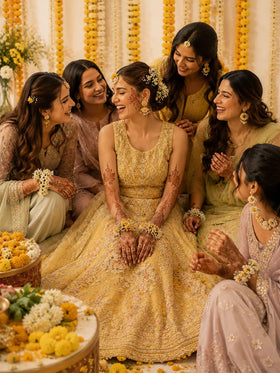
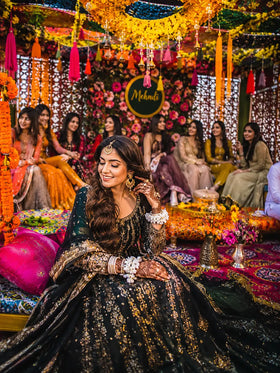
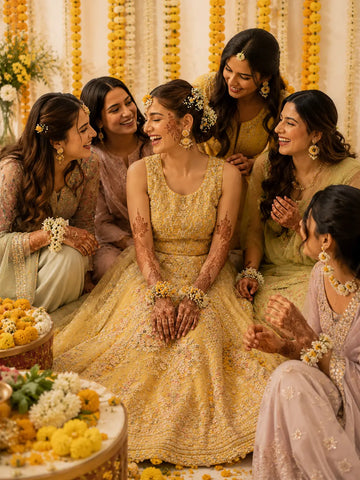
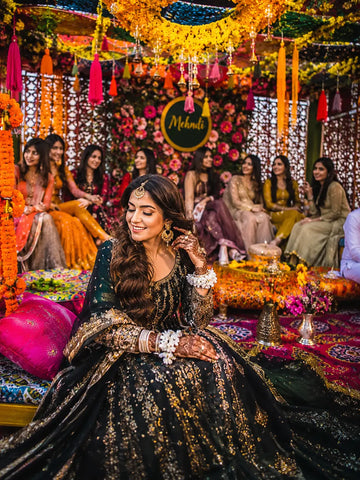
🌿 Mehndi & Mayun
- Lightweight polyester or crinkle chiffon in strong colour.
- You will be moving and dancing and wrinkle resistance matters more than it does anywhere else.
- Crinkle chiffon is genuinely the practical choice here: it's meant to look creased.
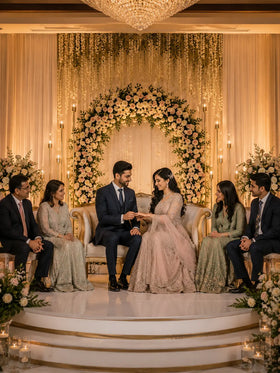
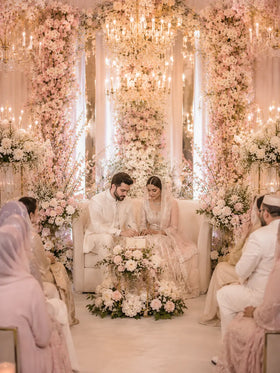
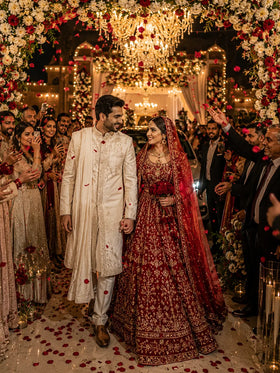
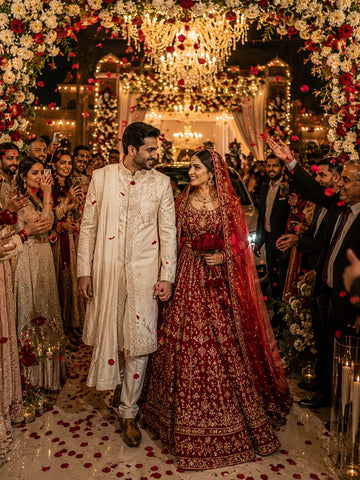
👑 Baraat & Nikkah
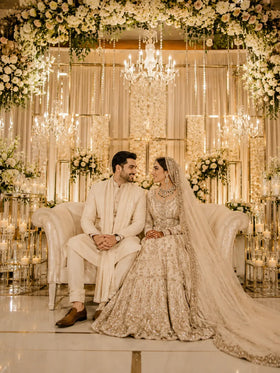
- Silk chiffon is the traditional bridal choice is its natural sheen photographs beautifully and it holds heavy embroidery without sagging.
- For guests, double-layer or pearl chiffon gives you elegance without the bridal price.
- Shop Barat dresses and Nikkah dresses.
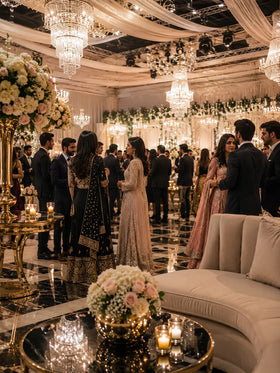
🌸 Walima
- Pearl chiffon or good polyester chiffon in pastels and metallics the evening register.
- Subtle shimmer over heavy embellishment. The walima palette is softer than the baraat.
- Shop Walima dresses.
🍽️ Eid & Semi-Formal Dinners
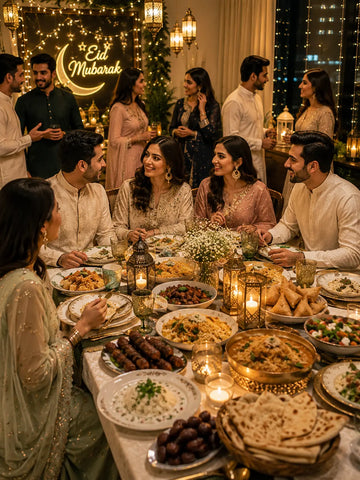
- Polyester chiffon luxury pret is easy to maintain, endlessly varied, and appropriate without being excessive.
- Shop luxury pret.
If you are going to a summer wedding in a warm venue and you can stretch to silk chiffon, do it. This is not snobbery and it is thermodynamics. Silk lets air move through it. Polyester traps heat and builds static that makes the fabric cling to you exactly when you most want it to fall properly. I have sat through a July walima in a polyester chiffon piece and spent the entire evening quietly regretting it. The silk version of that outfit would have cost more and I would have been comfortable in it.
Chiffon in Pakistani Bridal Wear
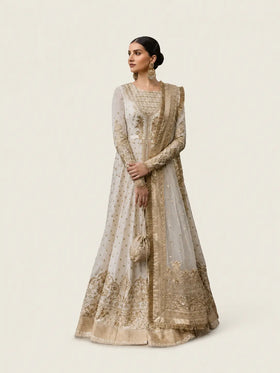
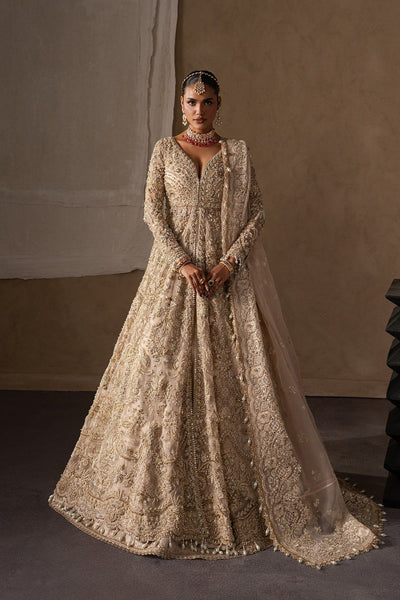
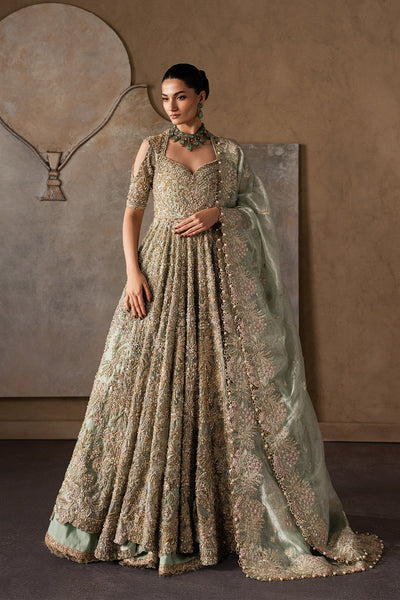
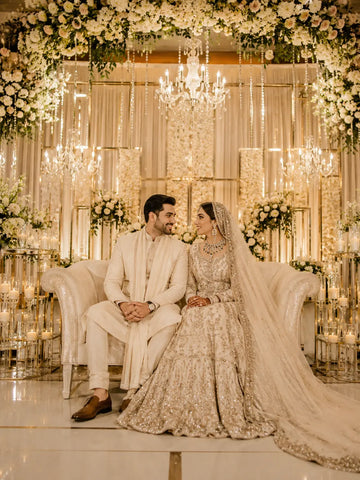
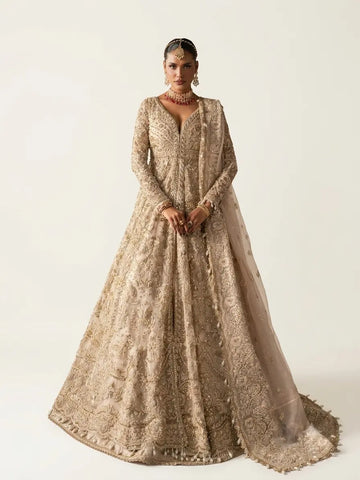
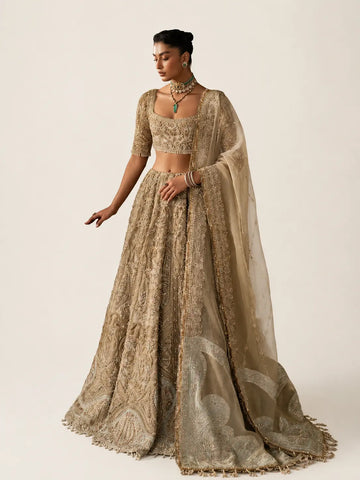
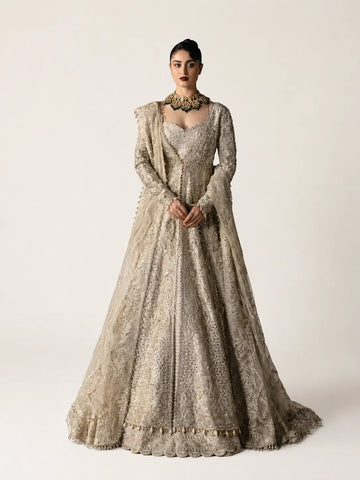
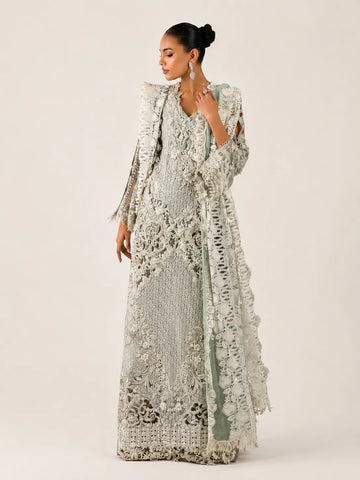
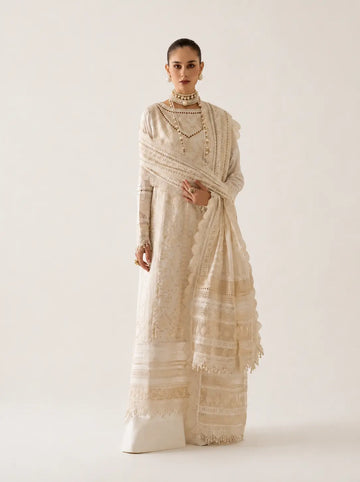
Chiffon is the quiet workhorse of the bridal ensemble. It's what allows a lehenga to hold intricate embellishment while still moving; it's what makes a dupatta frame the face rather than weigh it down. Its transparency is a feature, not a flaw which means embroidery can be dense without the garment becoming a burden to wear for eight hours.
Bridal lehengas: layers and volume
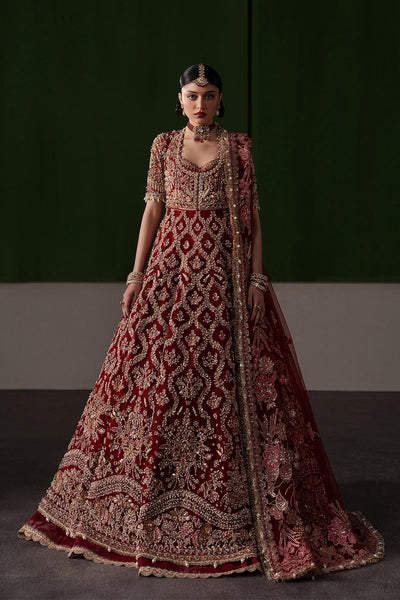
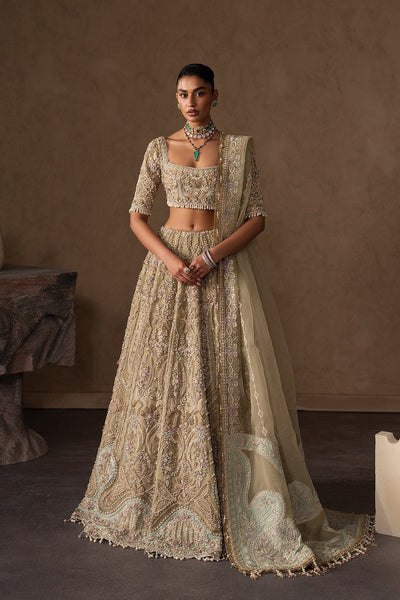
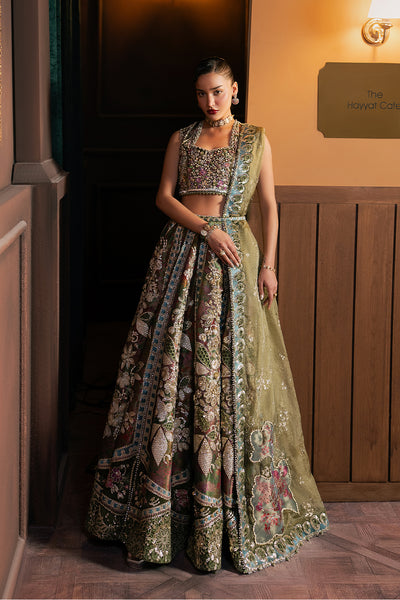
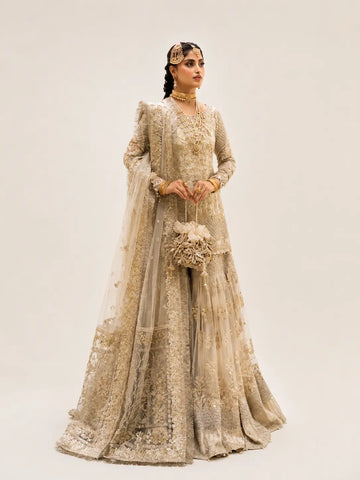
A traditional bridal lehenga often uses several layers of chiffon to build volume without weight. Crinkle and double-layer chiffon do a lot of work here for the skirt, typically paired with a silk chiffon dupatta. The balance to watch is opacity versus movement too many layers and the skirt becomes stiff and heavy; too few and it's sheer. Shop lehenga choli.
Turn the piece inside out and check the reverse of the embroidery for loose threads and knots. Secure anything you find with a very small dab of clear fabric glue on the reverse side not the face — before you wear it. This has saved outfits for me more times than I can count. A single loose thread on a chiffon dupatta will find a bracelet, a chair edge, or a heel, and it will pull.
Shararas and ghararas
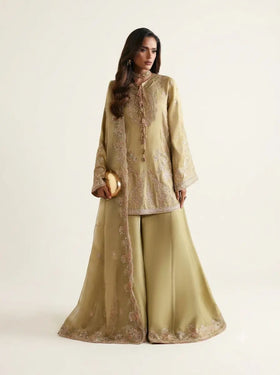
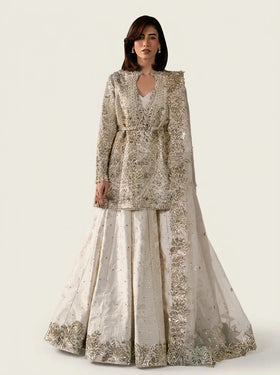
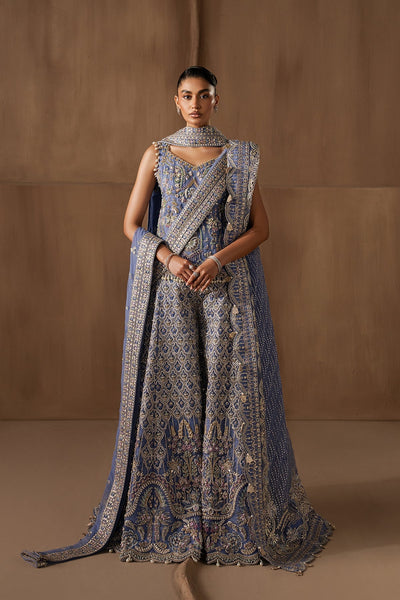
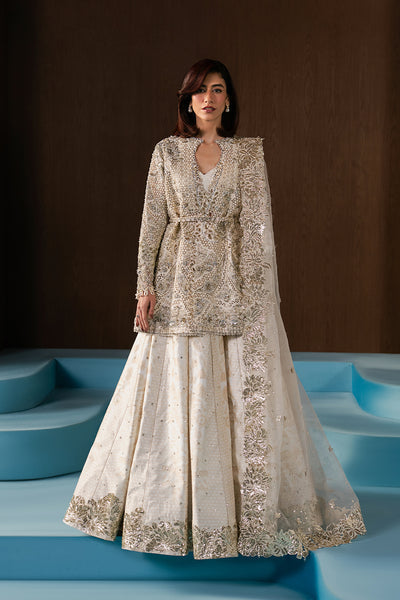
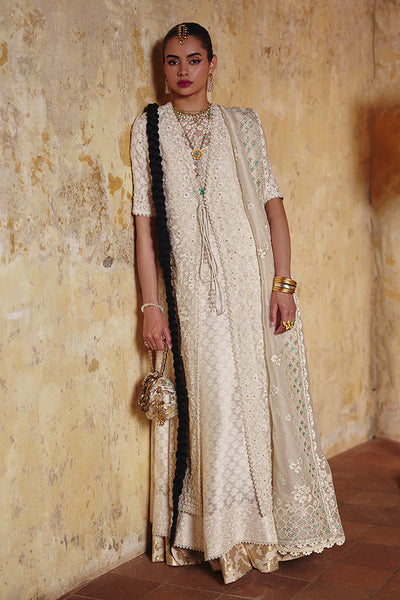
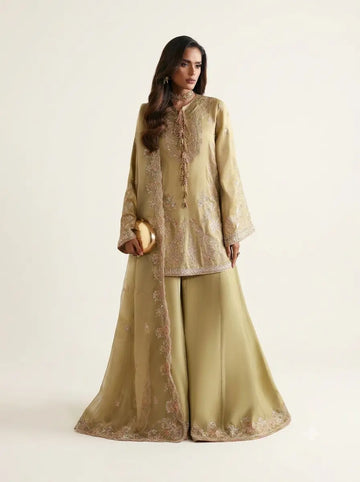
Chiffon panels give a sharara its flare, and because chiffon is so light, it's frequently used for the flared leg while the kameez sits in something heavier — silk, raw silk, velvet. That contrast is deliberate: it gives visual interest and keeps the outfit wearable. Shop sharara and gharara.
One practical thing nobody warns you about: when you sit down in a heavily embellished chiffon sharara, gently lift the panels rather than sitting straight down on them. Crushing embroidery under your own weight for an hour flattens it, and on chiffon it does not always spring back.
The bridal dupatta and the one rule that matters
A silk chiffon dupatta with dense handwork can weigh several kilos. Which brings me to the most important care instruction in this entire guide:
Never hang a heavily embroidered chiffon dupatta. The weight of the embroidery will slowly stretch the chiffon out of shape and distort the embroidery permanently. Store it flat. Always. This one mistake ruins more heirloom pieces than washing, wear, or accident combined.
Chiffon in Luxury Pret and Formal Shalwar Kameez
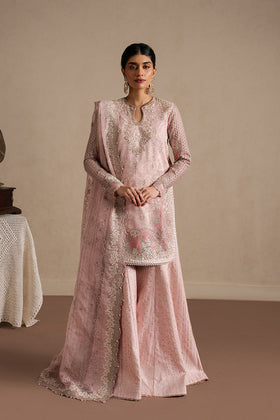
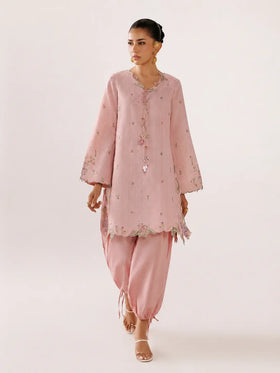
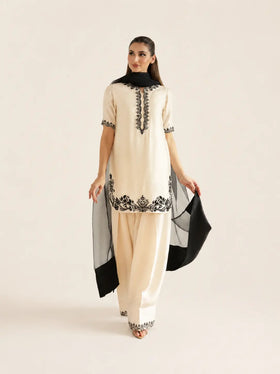
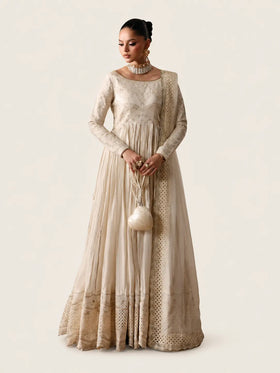
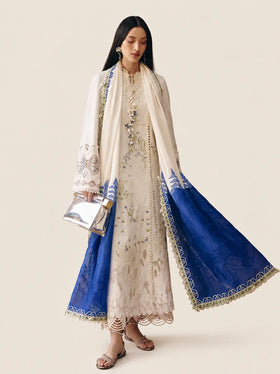
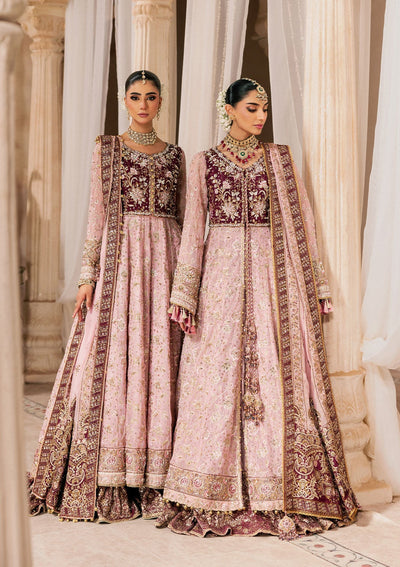
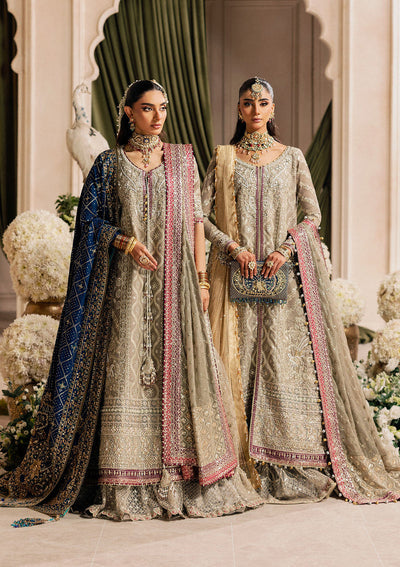
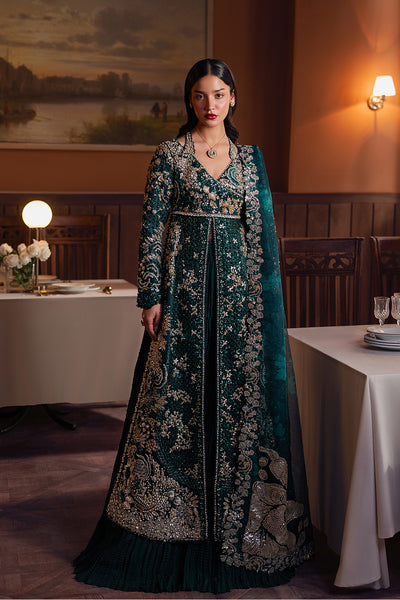
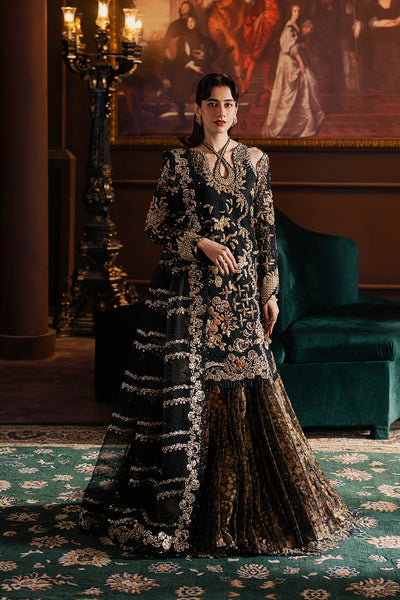
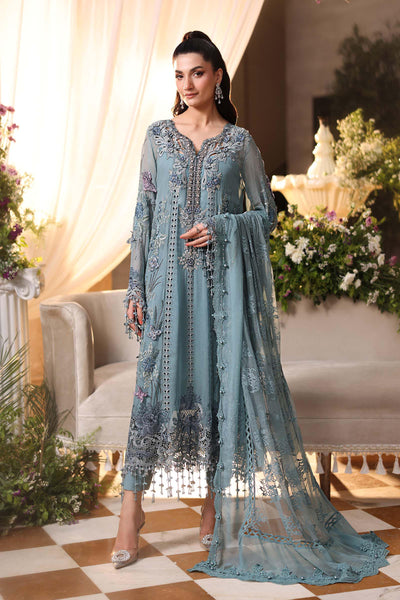
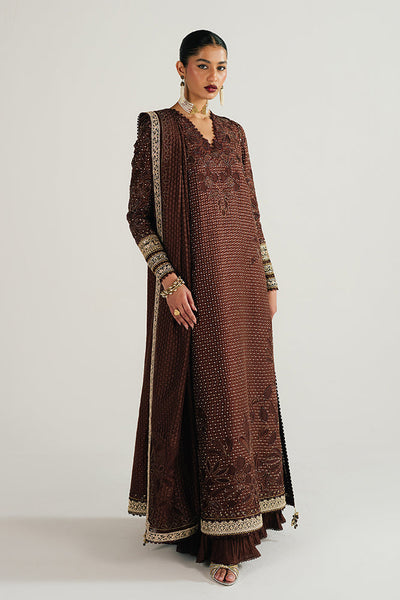
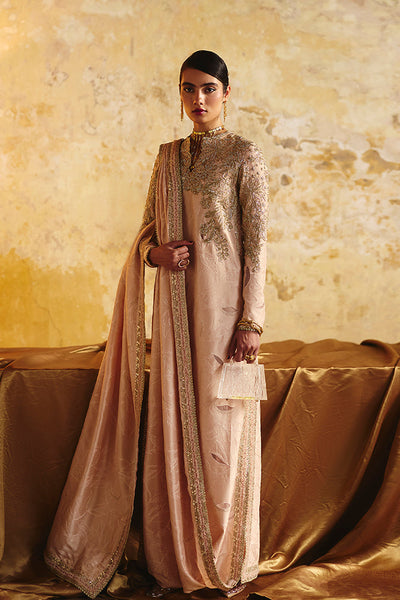
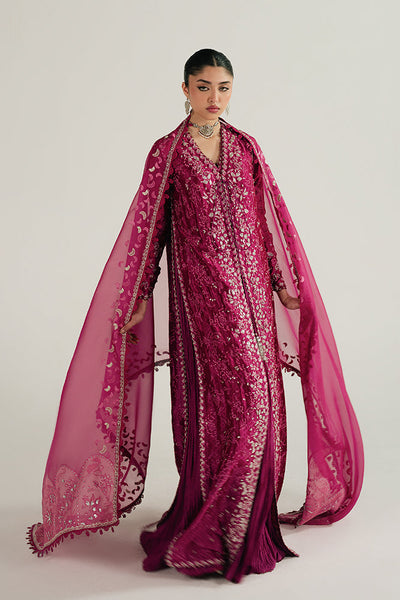
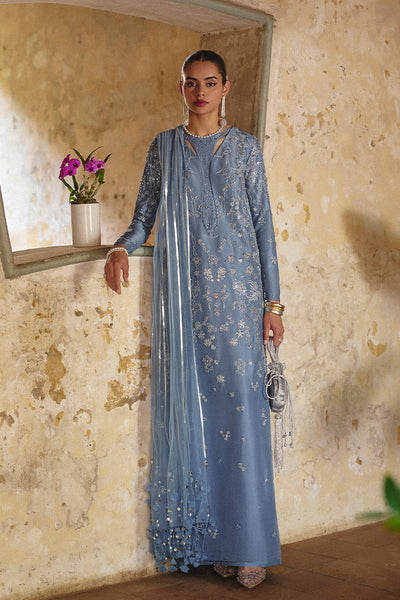
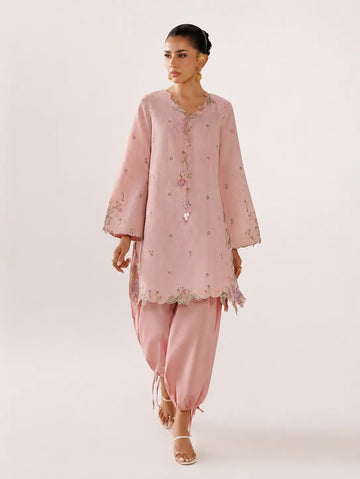
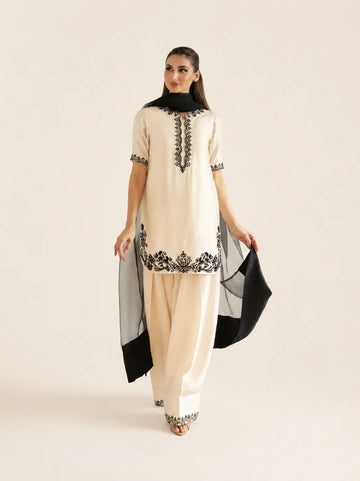
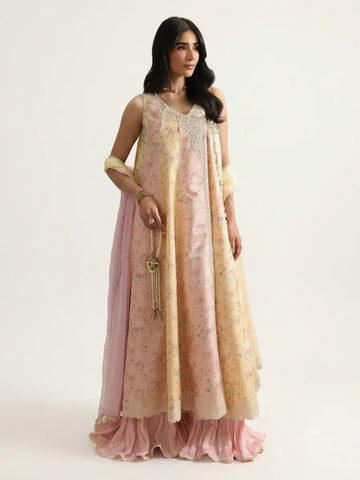
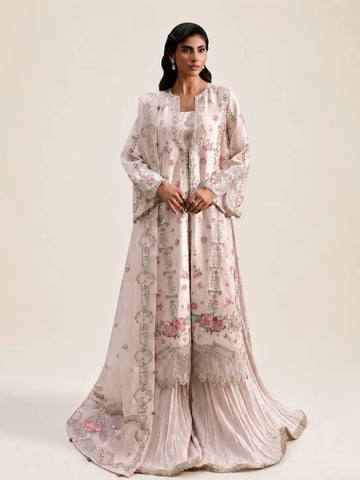
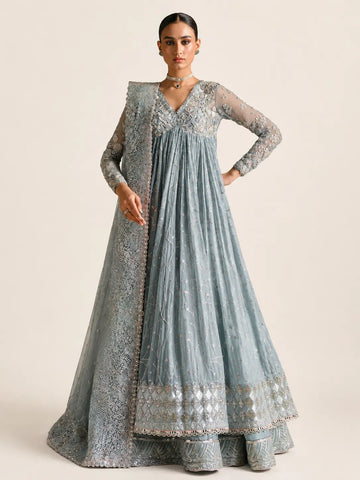
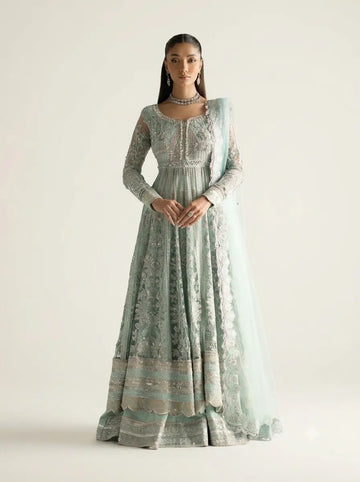
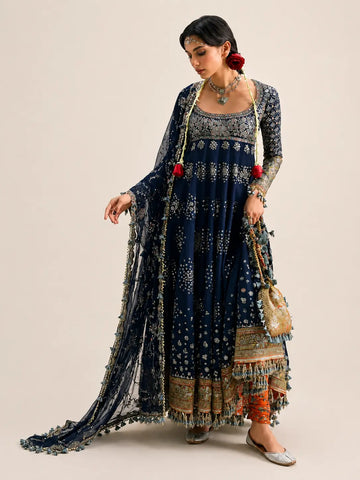
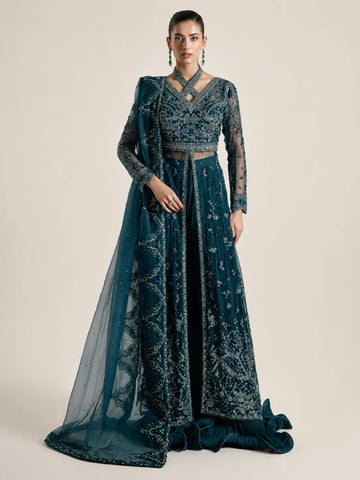
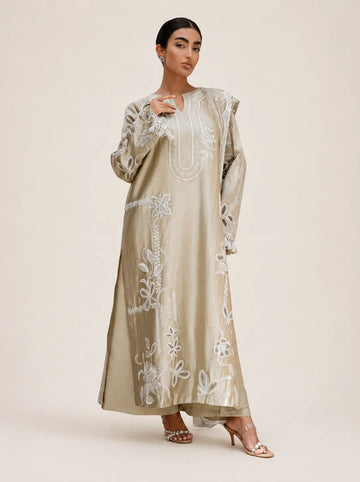
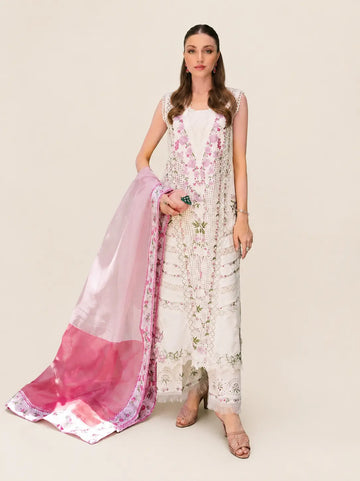
Luxury pret is where most UK buyers actually meet chiffon, and it's where the fabric earns its keep. Printed and embroidered chiffon kameez, straight trousers or cigarette pants, a coordinating dupatta it works for an Eid dinner, a mehndi, or a formal evening event, depending on how you style it.
The cuts that work
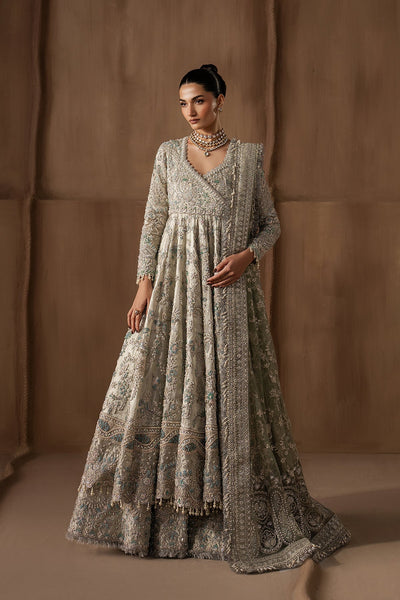
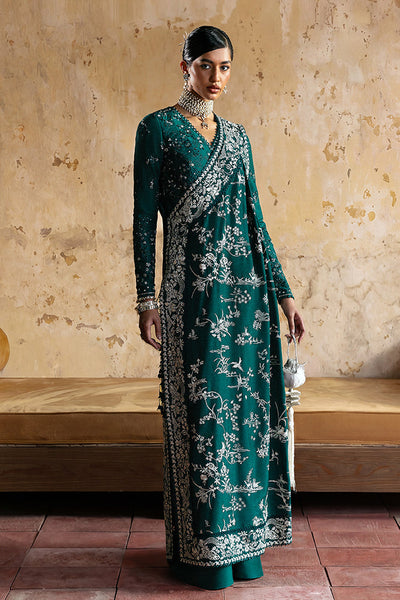
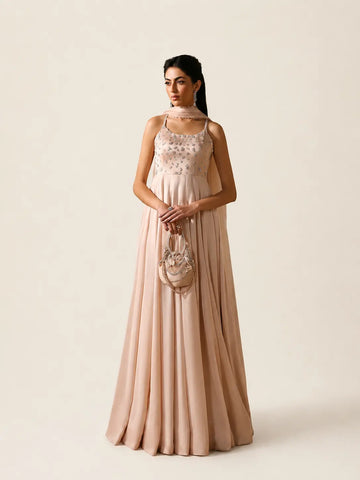
Straight-cut kameez with side slits gives a clean, modern line, and chiffon's drape softens what could otherwise look severe. Anarkali cuts use chiffon's fluidity to create flare without bulk and the flared panels move beautifully. Angrakha and asymmetric cuts take a traditional silhouette and give it a contemporary edge in printed chiffon, which is a particularly good register for UK fusion dressing.
Styling chiffon for UK events
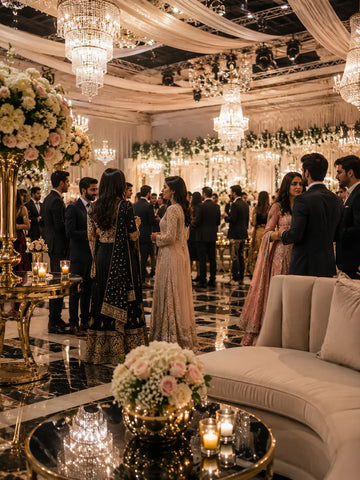
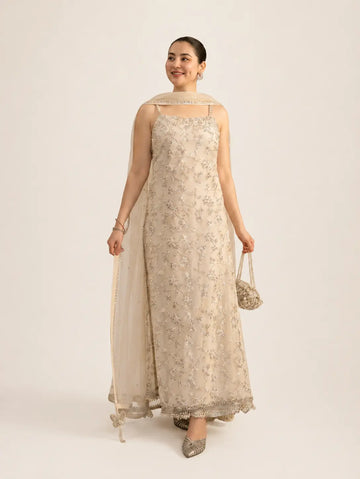
Daytime mehndi: a bright printed chiffon kameez with white straight trousers, minimal jewellery, and a contrasting chiffon dupatta draped loosely. Evening walima: pearl chiffon with subtle embroidery, statement earrings, a sleek clutch, and for a venue with any outdoor element a lightweight pashmina over the shoulders. Corporate iftar or formal work function: a solid-coloured chiffon kameez with delicate thread work, tailored trousers, low heels. Restrained, but unmistakably yours.
Chiffon is a warm-climate fabric being worn in a cold country, and the fix is layering. A lightweight cotton slip under a chiffon kameez adds warmth without bulk and solves the transparency question at the same time. For a winter wedding, a tailored velvet jacket over a chiffon kameez is genuinely one of the most elegant things you can do and the texture contrast between crushed velvet and fluid chiffon is beautiful, and you will actually be warm.
How to Spot High-Quality Chiffon: The Buyer's Checklist
Buying chiffon online is genuinely hard. Photographs flatter, descriptions hide behind words like "premium quality," and you cannot touch the fabric. This is the checklist I use.
Look for close-up fabric photography
You want to see the weave and the embroidery up close. If a listing only shows distant model shots, that's a gap ask for detail images. A seller confident in their product will send them without hesitation.
Read the fabric composition, precisely
"Silk chiffon" should mean 100% silk. "Chiffon" on its own almost always means polyester. If the listing is vague, ask and treat a vague answer as an answer.
Examine the reverse of the embroidery
On a well-made piece, the back of the embroidery is reasonably neat with minimal loose threads. A chaotic reverse is a reliable signal of rushed, low-quality work and it's where the snags will start.
Interrogate the price
If a "silk chiffon" bridal piece is priced suspiciously low, it is not silk. Genuine silk chiffon with handwork is an investment, and the price reflects both the fibre and the labour. A price that seems too good is telling you something true.
Check colour registration on prints
On a multicoloured print, the colours should be sharp and cleanly aligned. Blurry edges or one colour bleeding into another indicates cheap printing — and cheap printing usually travels with cheap fabric.
Ask about the lining
Chiffon is sheer by nature, so a quality piece comes properly lined ideally in cotton or silk. A missing lining, or a scratchy synthetic one, tells you where the corners were cut.
Check the returns position before you buy
If the fabric isn't what was described, can you actually send it back? A UK-based retailer with returns under the Consumer Rights Act 2015 gives you a legal right, not a favour. An overseas seller offering store credit gives you neither.
Red flags to walk away from
- "Chiffon silk" with no percentage specified — this phrasing exists to be ambiguous.
- Product photos that are obviously the designer's campaign images rather than the actual item in stock.
- No care instructions anywhere on the listing. A seller who knows their fabric tells you how to look after it.
- A "silk chiffon" bridal piece at a price that couldn't cover the silk, let alone the embroidery.
Fabric weight is one of the six checks I run on every piece before it ships. Authentic designer chiffon has a specific hand-feel and weight that replicas consistently miss and counterfeiters can copy a print, but they cut costs on the base cloth, because that's where the money is. If a piece feels lighter, slicker, or stiffer than it should, that's usually the first thing to give it away.
The other check that matters for chiffon specifically is the lining. Replicas skip it or use the cheapest synthetic available. On a genuine piece the lining is considered it's part of how the garment is meant to fall.
Caring for Heavily Embellished Chiffon
You cannot put an embellished chiffon piece in a washing machine. The combination of a delicate weave and dense handwork means the machine will win, every time. Here is the method that works.
Hand-washing, step by step
Prepare a cool bath
Fill a clean basin with cool water never hot, which sets stains and can shrink silk and add a small amount of a gentle, pH-neutral detergent formulated for delicates.
Turn it inside out and submerge gently
Inside out protects the embroidery. Press the garment into the water rather than dropping or agitating it. Do not rub. Do not wring.
Soak briefly
Ten to fifteen minutes, with an occasional gentle swish. Longer soaking doesn't clean better; it just gives dye more opportunity to move.
Rinse thoroughly — and set the dye
Drain, refill with clean cool water, repeat until no suds remain. On multicoloured chiffon, add a tablespoon of white vinegar to the final rinse. It helps set the dyes and reduces the risk of bleeding.
Remove water with a towel, never by twisting
Lay the piece flat on a clean dry towel, roll the towel up with the garment inside, and press gently. The towel absorbs the water. Wringing chiffon distorts the weave permanently.
Dry flat, away from heat and light
Unroll and lay flat on a drying rack, out of direct sunlight and away from radiators. Reshape the embroidery gently with your fingers while it's damp.
Steaming, not ironing
Putting a hot iron directly onto embellished chiffon is how you melt sequins and scorch a fabric that took someone weeks to embroider. Use a handheld garment steamer instead, held at least six inches from the fabric, and never let the nozzle touch beadwork or sequins. For stubborn creases, steam from the reverse side. If you absolutely must iron, use the lowest heat, put a pressing cloth between the iron and the chiffon, and never press down on embroidery.
What to ask a dry cleaner
Most high-street dry cleaners do not understand South Asian formal wear. Before you hand over a piece you care about, ask three questions: Do you hand-press embellished areas? What solvent do you use on delicate embroidered fabric? What's your position if there's colour bleeding or snagging? An honest cleaner will answer directly. A specialist in South Asian garments is worth finding, and worth paying for — ask in local community groups, because someone near you already knows who's good.
Long-term storage
Lightweight chiffon kameez can go on a padded hanger. Heavily embellished dupattas and lehengas must be stored flat and see the warning above. Wrap pieces in acid-free tissue paper to prevent yellowing and hard creasing, and store them in a breathable garment bag rather than the plastic sheath the dry cleaner hands you, which traps moisture and invites mildew. Keep them somewhere cool and dark; not a loft, not a basement, where temperature and humidity swing. And have a piece professionally cleaned before long storage and invisible stains, particularly sugar and perspiration, oxidise and darken over years.
Styling & Draping Chiffon
Draping the dupatta
The dupatta decides the look more than most people realise. A few approaches that work:
For a vertical, elongating line, drape the dupatta diagonally across the torso with one end over the shoulder and the other tucked at the waist. If you're petite, a heavily embroidered dupatta can swamp you a lighter chiffon with a delicate border, draped over one shoulder only, gives you the drama without the volume. To avoid adding bulk across the chest, pin at one shoulder and let the fabric fall straight rather than gathering it. And the double-dupatta bridal look one on the head, one over the arm and works best when the head dupatta is the lighter chiffon of the two, because you will be wearing it for hours.
If the kameez is heavily embellished, keep the dupatta plain and a lightweight chiffon in a complementary shade. Two loud pieces compete and the eye doesn't know where to land. Let one element carry the outfit and let the other support it.
Accessorising without overwhelming
With a heavily embellished chiffon piece, the outfit is the statement — studs and a simple bracelet are enough. Save the statement jhumkas and the choker for a simpler chiffon suit that can carry them. On footwear: heels with a lehenga, always, because they manage the length and keep you off the hem. Embellished khussas or strappy sandals work for shalwar kameez. And a potli or a sleek clutch complements the fabric in a way an oversized tote simply doesn't.
Buying Authentic Pakistani Chiffon in the UK
Here's the position I'd take even if I didn't work here. The two things that go wrong when UK buyers shop for chiffon are, first, ordering from overseas and discovering the real cost when a customs invoice lands, and second, receiving a piece that isn't the fabric it claimed to be and having no meaningful way to send it back.
Buying from UK-held stock fixes both. Your order is a domestic purchase — the GBP price is the final price, with no import duty and no customs charge on delivery. And your right to return is governed by the Consumer Rights Act 2015, which is a legal entitlement rather than a seller's discretionary policy. If the fabric isn't as described, that's not a negotiation.
Every chiffon piece at Libayah is held in our UK warehouse and passes a six-point authentication check before dispatching the fabric weight and composition among them. Browse the full chiffon collection, or narrow by occasion.
How to navigate the collection
Use the fabric filter to see everything in chiffon. Check the size guide on the specific product page — Pakistani sizing runs one to two sizes smaller than UK high street, and it varies between designers, so the label alone will mislead you. Read the reviews for comments on fabric feel and colour accuracy specifically, since those are the two things photographs can't tell you. And if you're between sizes or unsure about a fabric, message the team on WhatsApp — someone will actually answer.
Shop authentic Pakistani chiffon
Bridal, luxury pret, and formal chiffon — UK stock, no customs, returns under UK law.
Browse the Chiffon Collection →Explore the other fabrics
Chiffon is one fabric among many, and the right choice depends on your season and occasion.
You are here — formal & bridal 👑 Velvet
Winter weddings & bridal warmth 🌿 Lawn
Spring & summer, lightweight 🕊️ Organza
Structured sheer, formal dupattas 🧵 Raw Silk
Textured luxury, bridal tier 🍂 Khaddar
UK winter, brushed cotton
Chiffon FAQs
Is chiffon see-through?
Does chiffon wrinkle easily?
Can I wear chiffon in a British winter?
How do I stop colour bleeding on printed chiffon?
Is polyester chiffon acceptable for bridal wear?
How do I store an embellished chiffon bridal outfit for years?
How can I tell silk chiffon from polyester chiffon in a photo?