
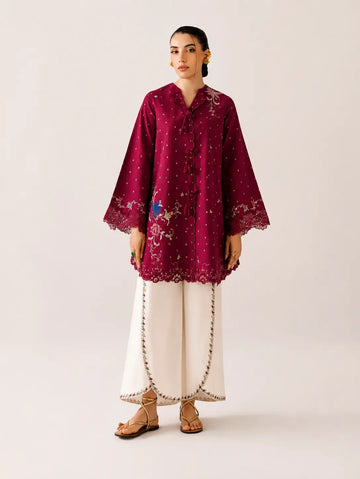
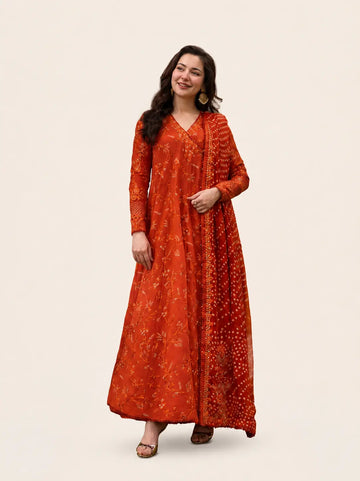
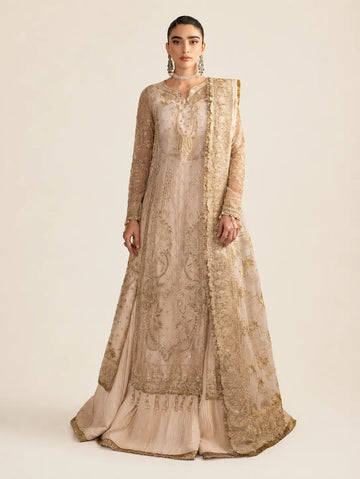
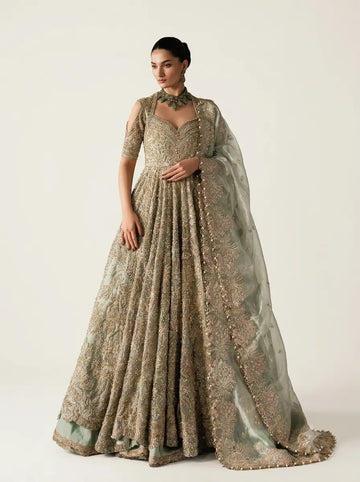

What Colours to Wear to a Pakistani Wedding: The Complete Guest Guide by Season, Event & Skin Tone
Posted on July 23 2026

Choosing the colour is the hardest part of dressing for a Pakistani wedding is harder than the outfit itself. Wear the wrong shade and you risk clashing with the bride, missing the season, or fading out in every photo. This guide removes the guesswork with one unified system: season, event, and skin tone, together.
You've been invited to the whole week Mehndi, Nikah, Baraat, Walima and the panic isn't about finding outfits. It's the colours. Is this red too bridal? Is that white going to read as mourning to the aunties? Will these pastels vanish under the banquet-hall lighting? And which of it actually suits you, rather than just looking nice on the hanger?
I've stood in front of my own wardrobe with exactly these questions, more times than I'd like to admit. Colour is the single most loaded decision a Pakistani wedding guest makes it carries cultural meaning, it shifts with the season and the lighting, and it either flatters your complexion or quietly fights it. Get it right and you look effortless and appropriate. Get it wrong and you feel it all evening.
This is the guide I wish I'd had: one system that answers season, event, and skin tone at once.
A quick note on what this covers. This is a colour guide which shades to wear, when, and why. For the outfit side of the question silhouettes, formality, what to actually buy for each event and pair this with our companion guide, What to Wear to a Pakistani Wedding as a Guest. Together they cover the whole decision. Let's talk colour.
Why Colour Choice Matters More at a Pakistani Wedding
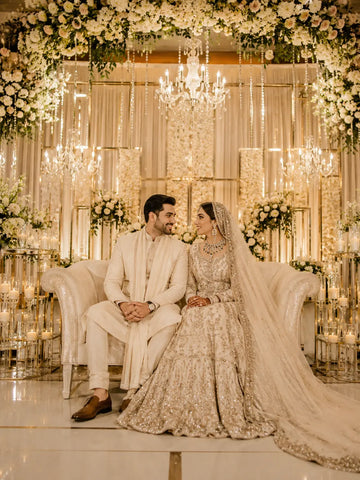
At a Western wedding, guests mostly worry about one rule: don't wear white. Pakistani weddings carry a far richer colour language, because colour here is woven into the ceremony itself. Yellow belongs to the Mehndi for a reason that goes back generations. Red belongs to the bride. Certain colours signal celebration; others carry associations you want to avoid entirely.
Getting colour right does three things at once. It shows cultural fluency and respect — you understand the events and dressed for them deliberately. It ensures you complement rather than compete you look beautiful without pulling focus from the bride, which is the entire brief for a guest. And it makes you photograph well, because Pakistani weddings are documented exhaustively and the wrong shade under the wrong lighting follows you through every album. Colour is not a small decision here. It's the decision.
Colours by Season: Matching the Palette to the Weather
Season is the first filter, because a colour that sings at a July garden Mehndi can feel wrong at a December Baraat and because the fabric that carries the colour has to suit the temperature too. Here's the palette for each.
Spring — Soft & Fresh
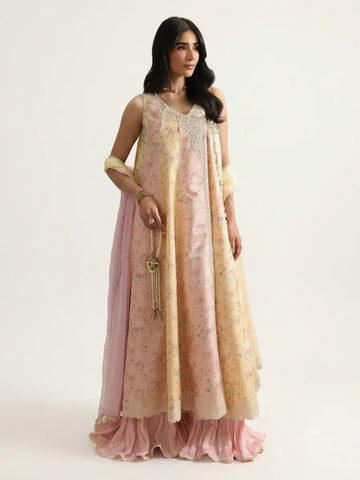
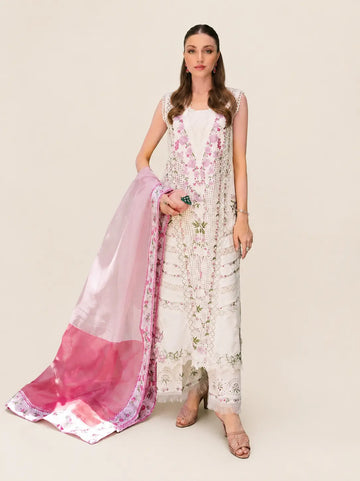
Spring weddings call for colours that echo the season's freshness. Think blossom and new growth: shades that feel light without being washed out.
Best in lighter fabrics chiffon, organza, lawn that move with the milder weather. Ideal for daytime spring functions and Nikah ceremonies.
Summer — Bright & Joyful
Summer is permission to wear colour with confidence. Vivid, saturated shades hold up against strong daylight where pastels can wash out.
Breathable lawn and chiffon are essential and you'll be warm. Perfect for daytime Mehndi and summer garden functions. Avoid neons in bright midday sun, which can overwhelm.
Autumn — Warm & Rich
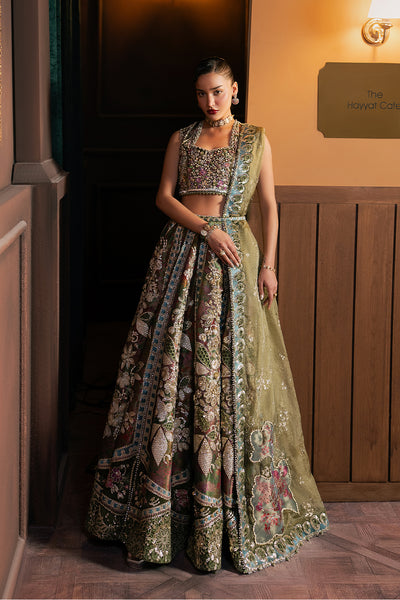
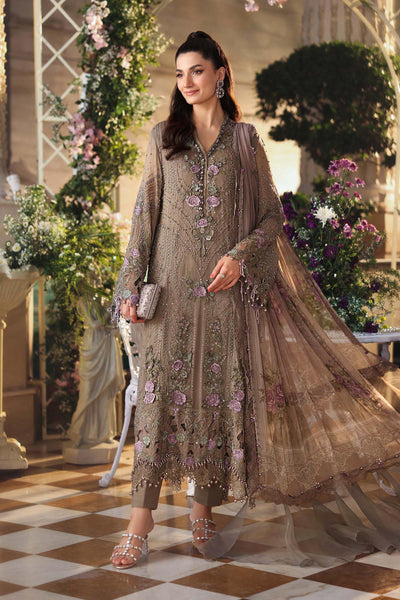
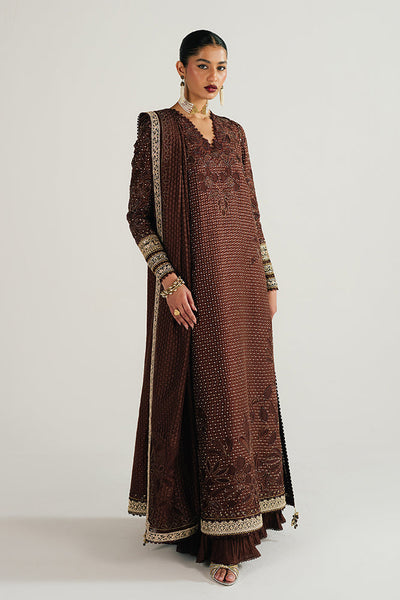
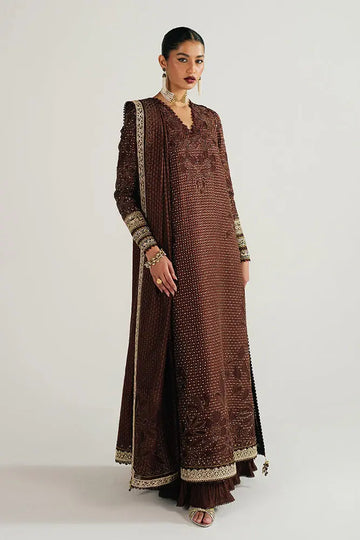
Autumn suits deeper, warmer tones that echo the turning leaves colours with warmth and depth without the full weight of winter jewels.
Mid-weight fabrics like silk, karandi, jamawar suit the cooling weather. Excellent for evening autumn events and semi-formal gatherings.
Winter — Deep & Jewel-Rich
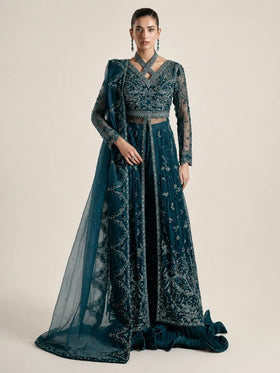
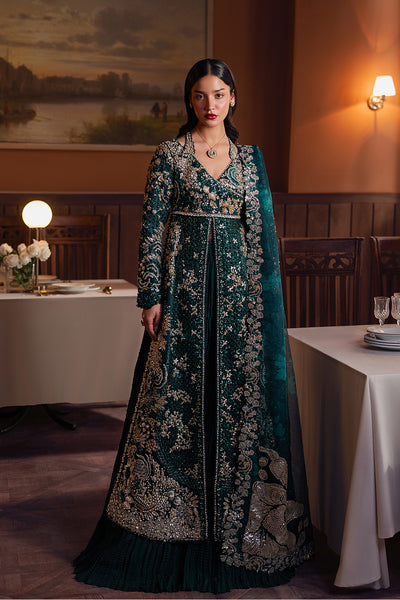
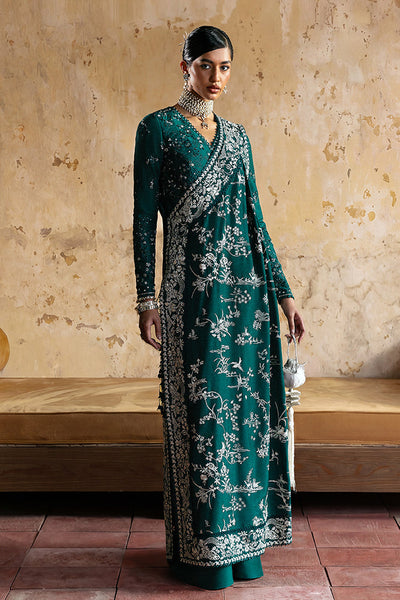
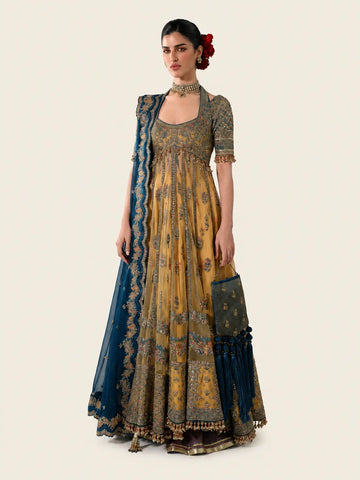
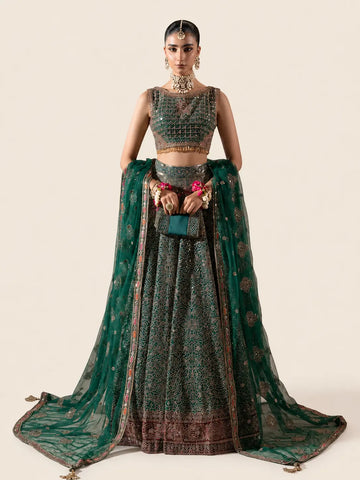
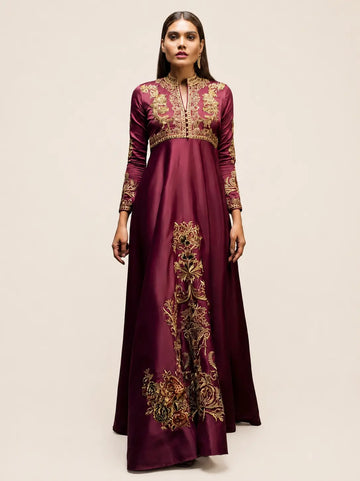
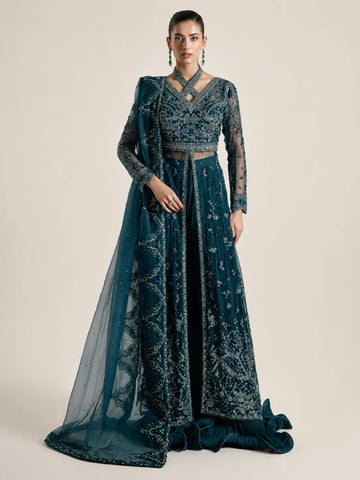
Winter is jewel-tone season, and Pakistani winter weddings are where the richest colours belong. Deep, saturated shades read as luxurious under warm indoor lighting.
This is velvet season real warmth with regal presence. Heavier fabrics and heavier embellishment suit the occasion and the temperature. Perfect for evening Baraat and winter Walima.
Colours by Event: The Four Functions
Season sets the palette; the event sets the register. Each of the four main functions carries its own colour logic and knowing it is what separates a guest who understands the culture from one who guessed.
🌿 Mehndi — Yellow, Green & Vibrant Joy
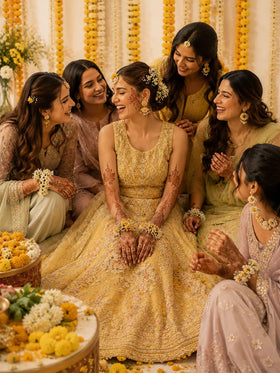
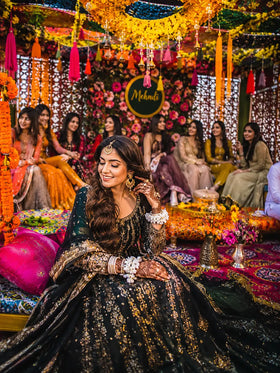
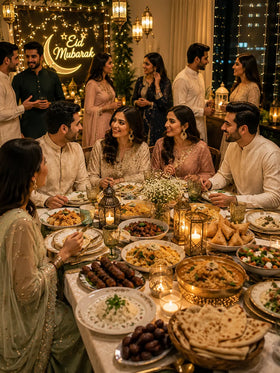
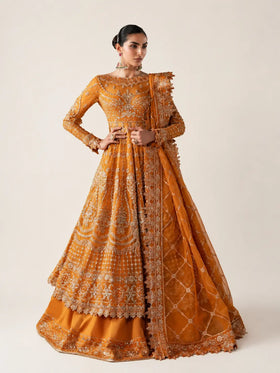
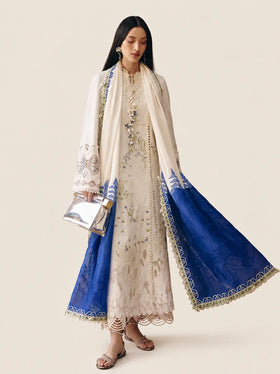
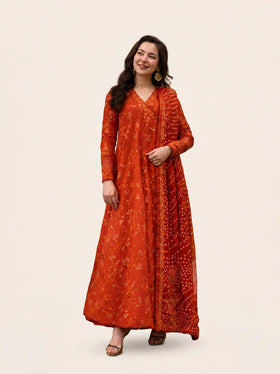
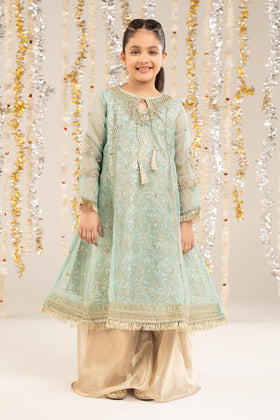
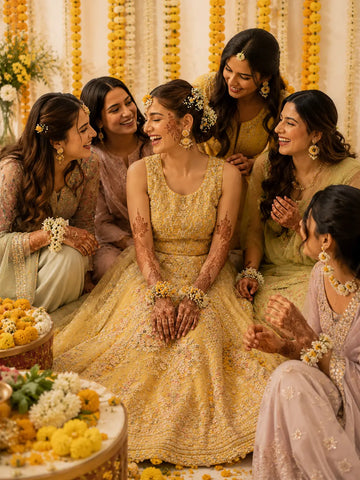
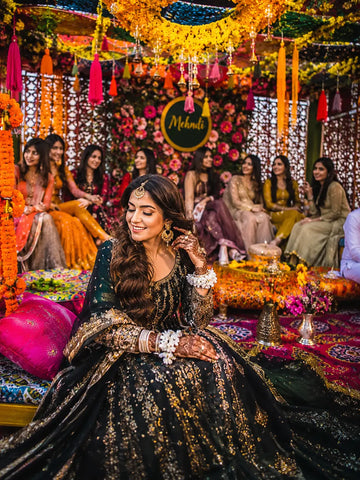
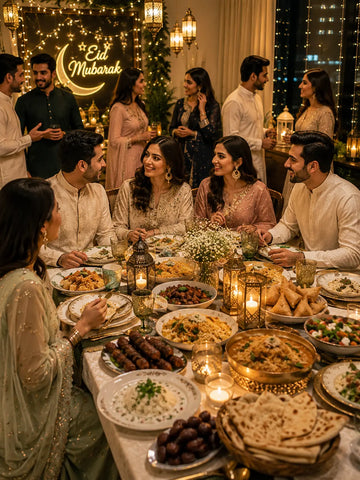
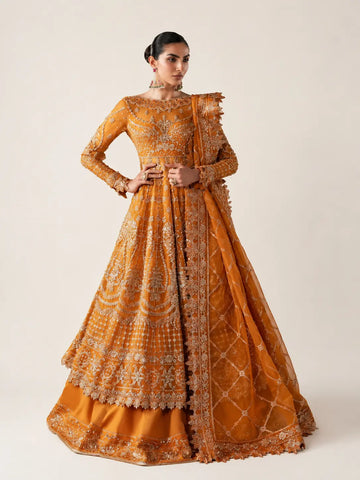
The Mehndi is the most colour-coded event of the week. Traditionally, yellow and green dominate — yellow especially, tied to the haldi ritual and to generations of Mehndi tradition. As a guest, this is the event to wear bright, joyful, saturated colour: marigold, fuchsia, orange, grass green, turquoise. Floral and multicolour pieces belong here more than anywhere.
Guest note: the bride often wears yellow at her own Mehndi. Wearing yellow yourself is generally welcome and celebratory but avoid an identical heavily-embellished yellow that could read as competing. A bright coral or green sidesteps it entirely. Shop Mehndi dresses.
🤍 Nikah — Soft Ivory, Pastels & Understated Elegance
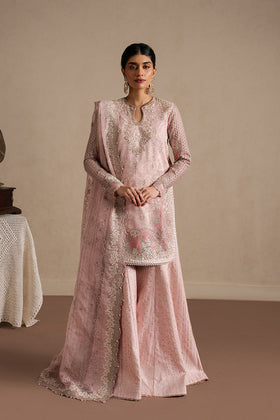
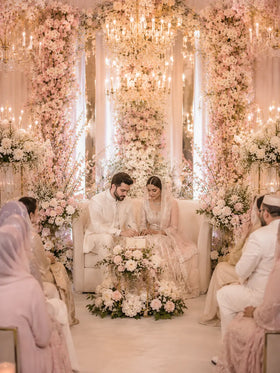
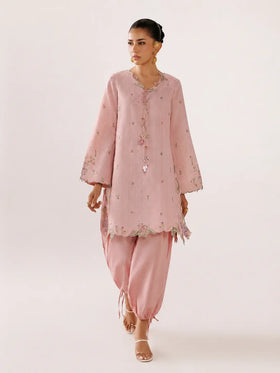
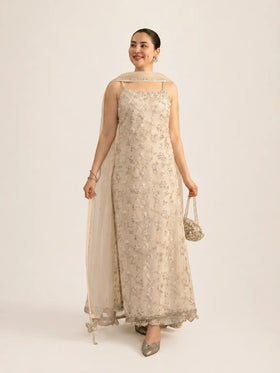
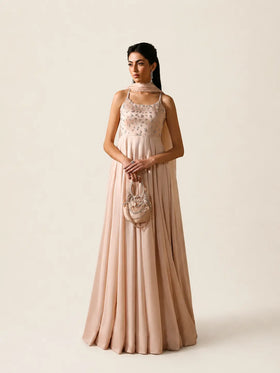
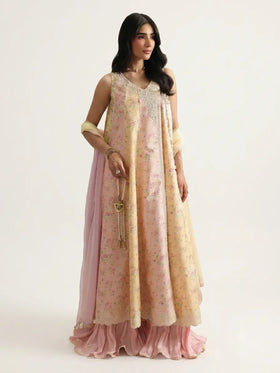
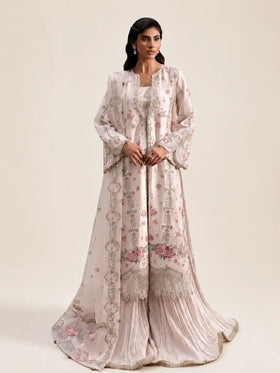
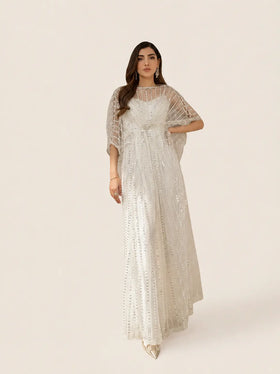
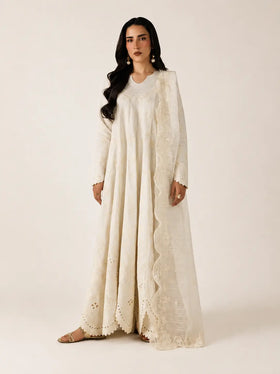
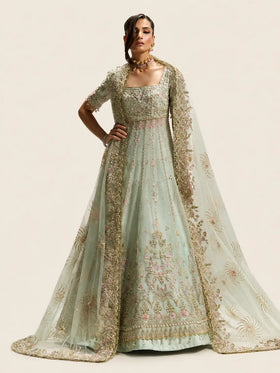
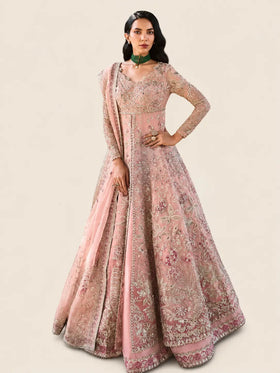
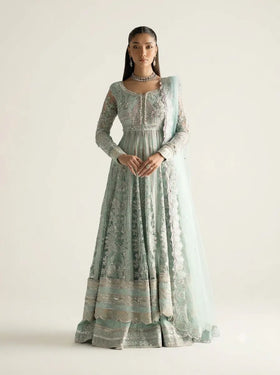
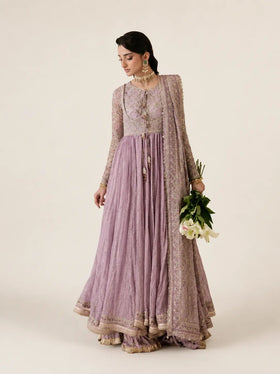
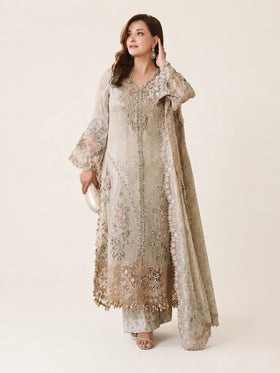
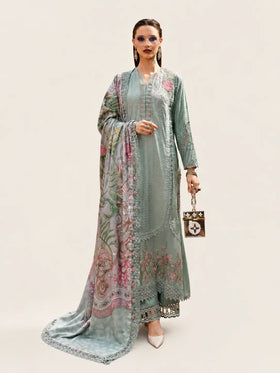
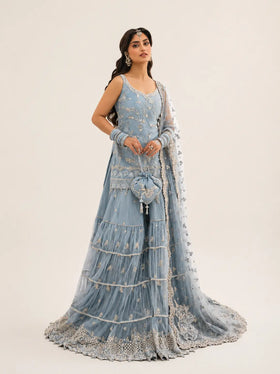
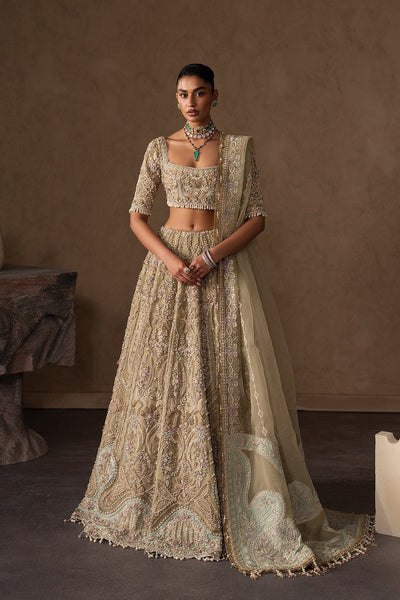
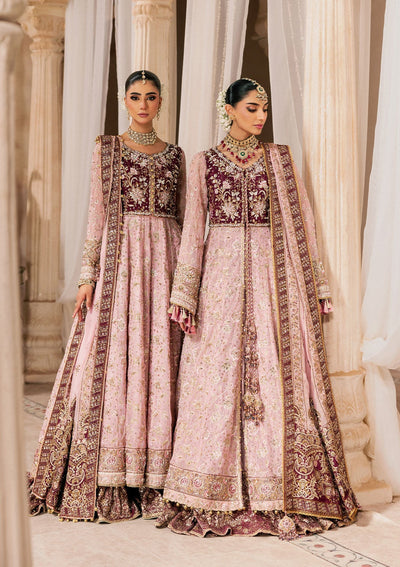
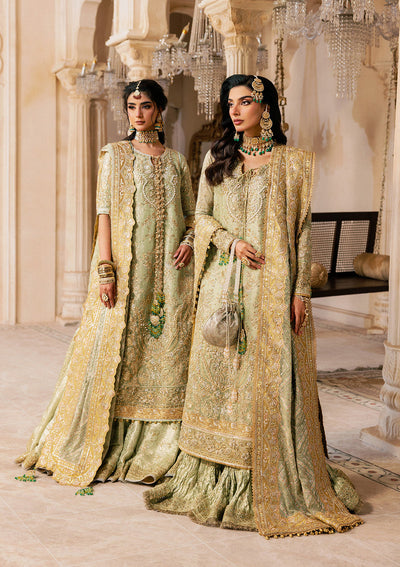
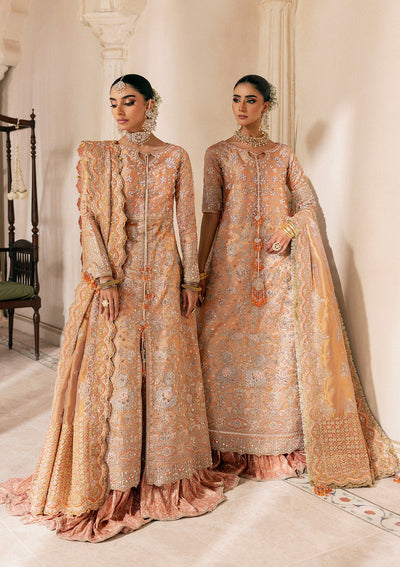
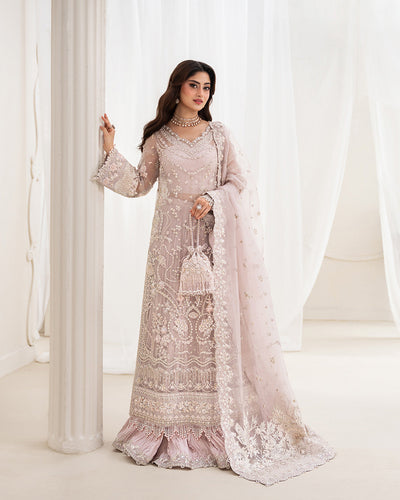
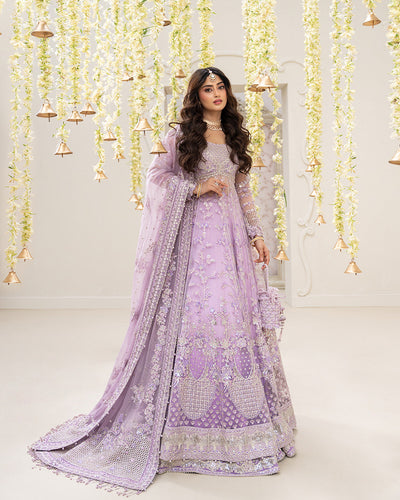
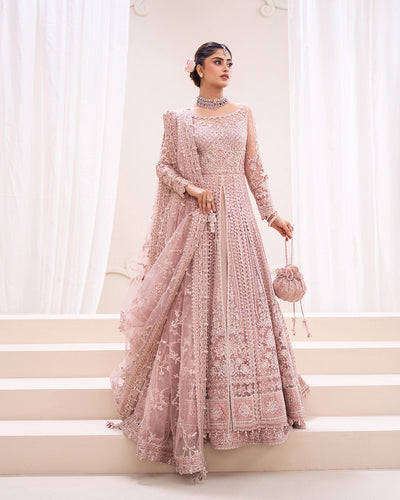
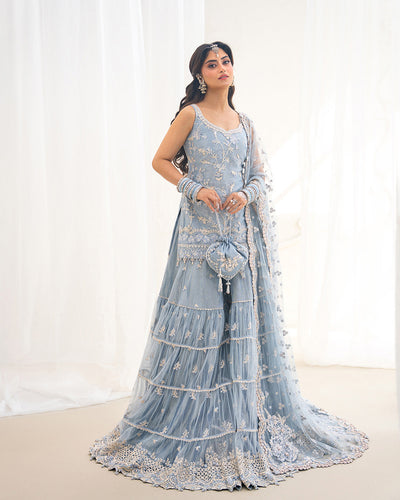
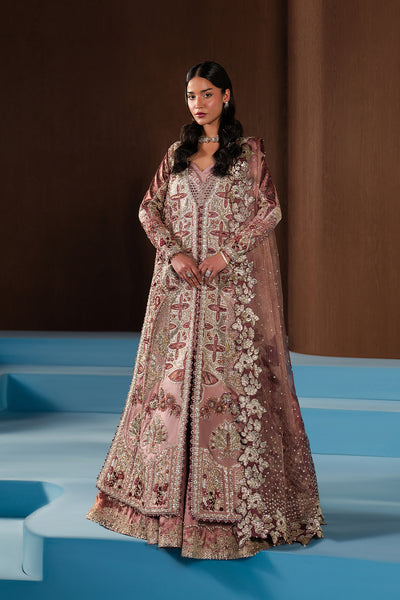
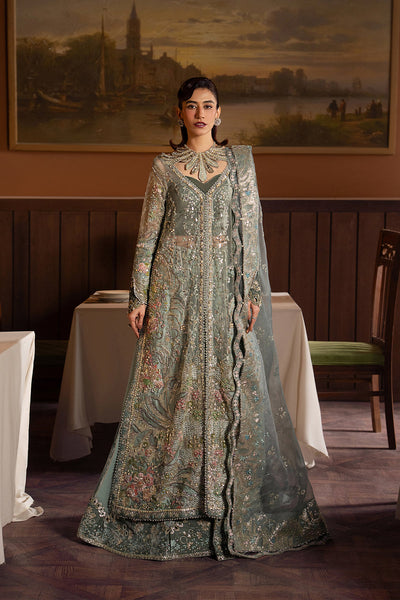
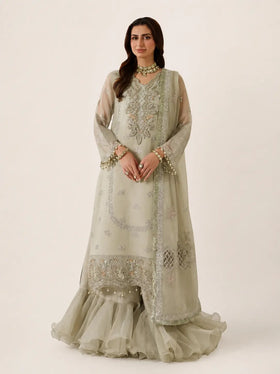
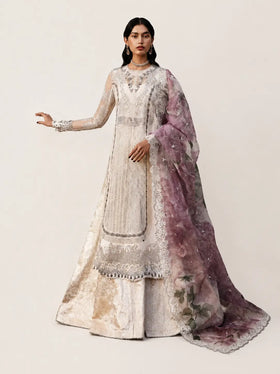
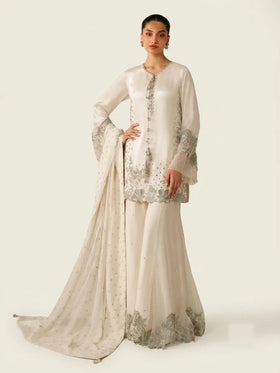
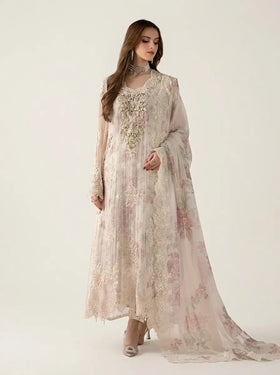
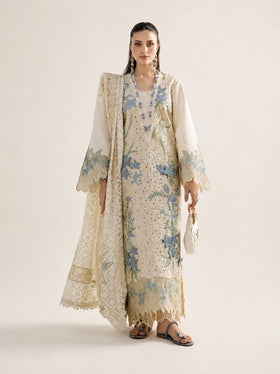
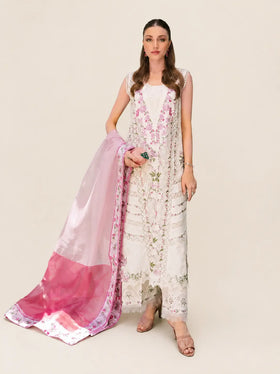
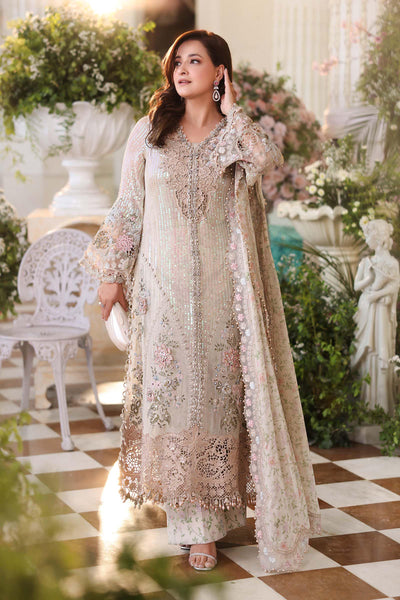
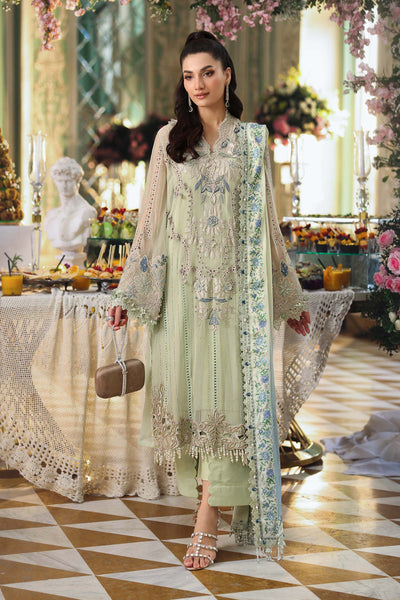
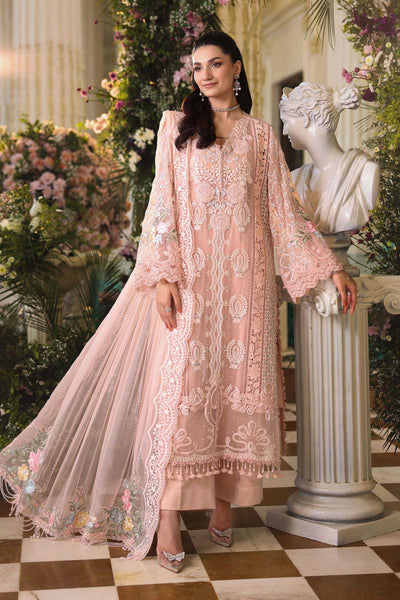
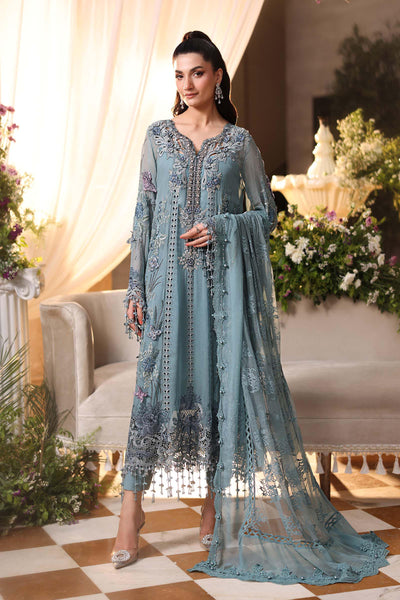
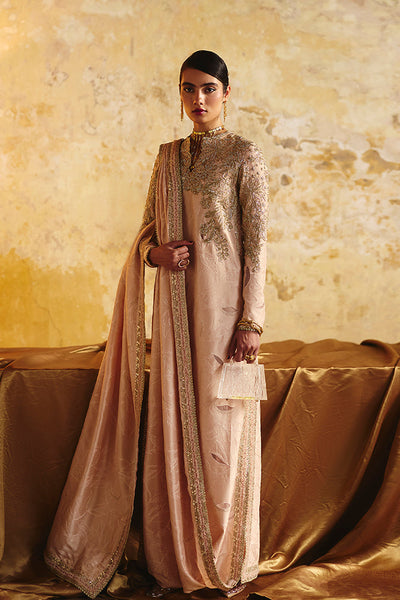
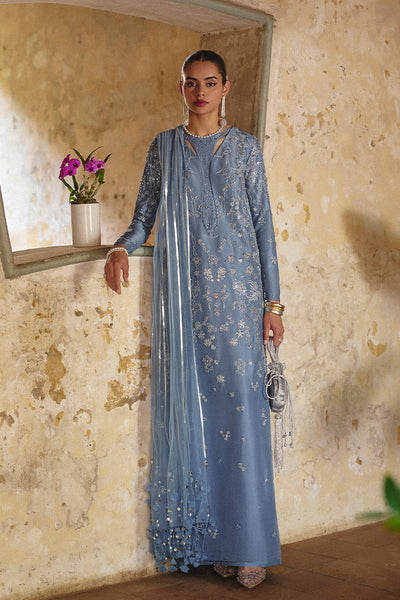
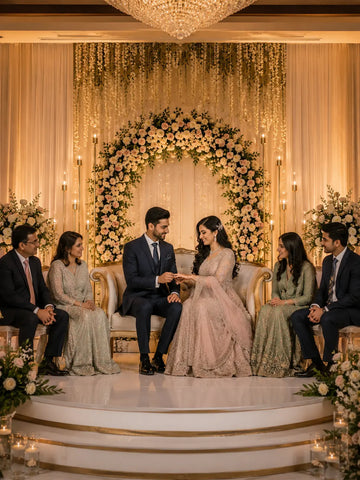
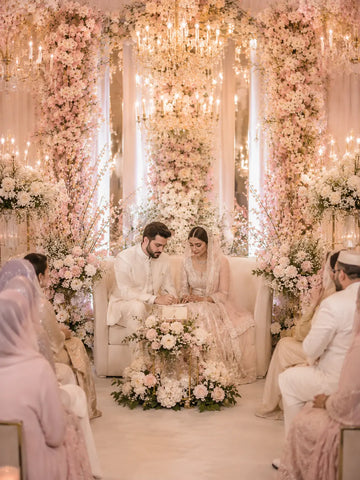
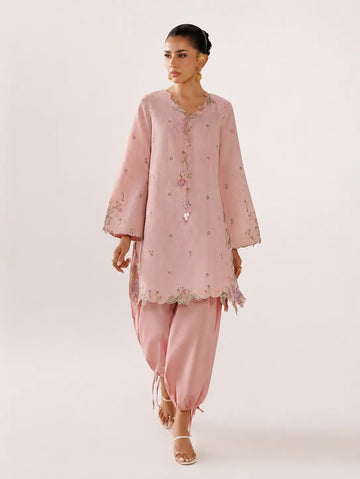
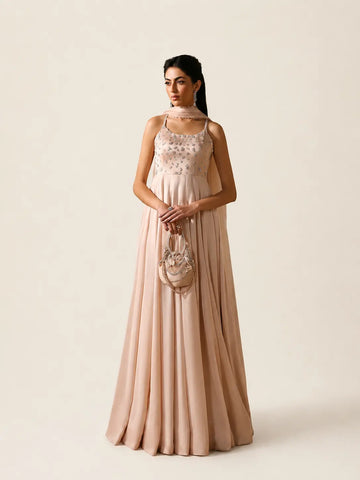
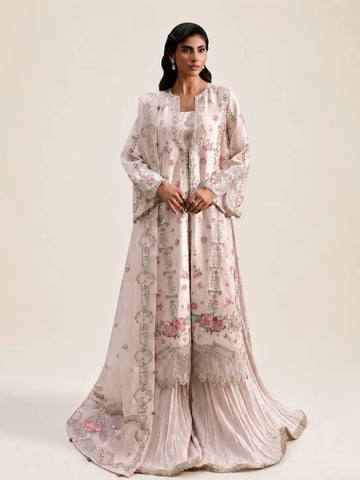
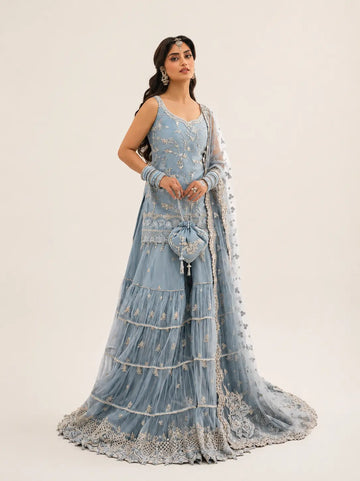
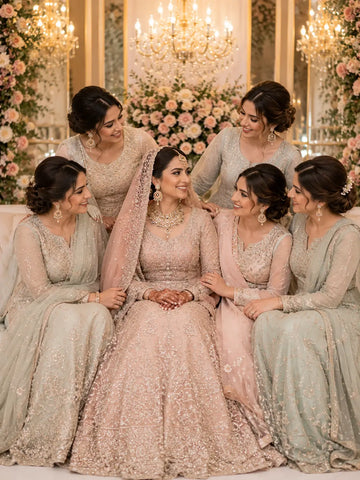
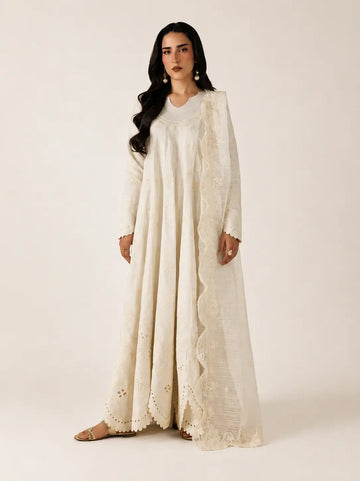
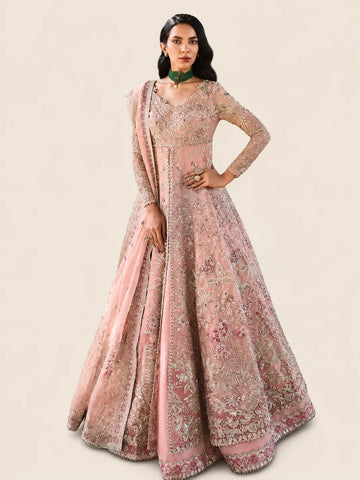
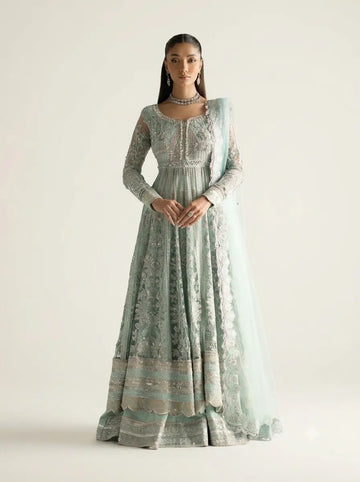
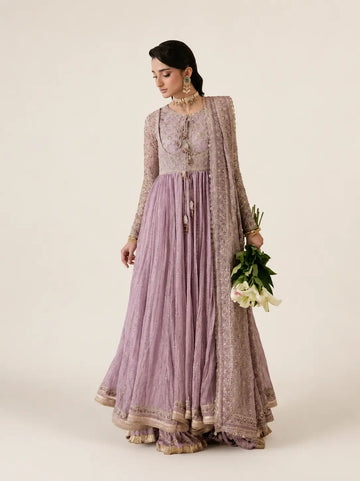
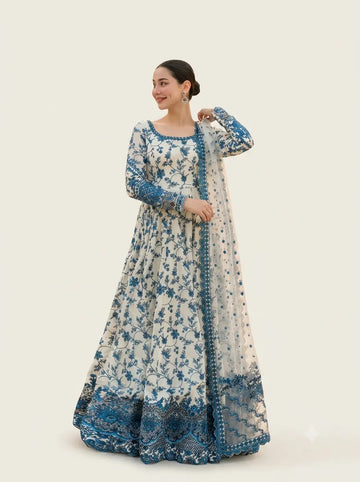
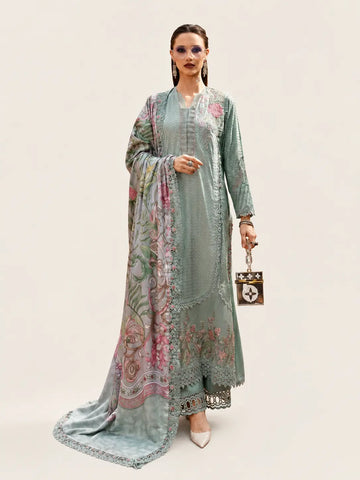
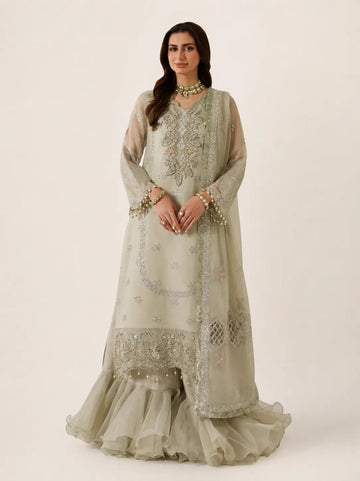
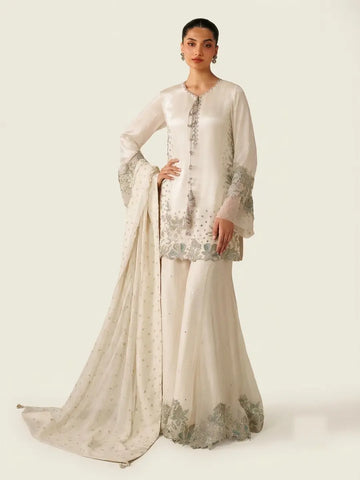
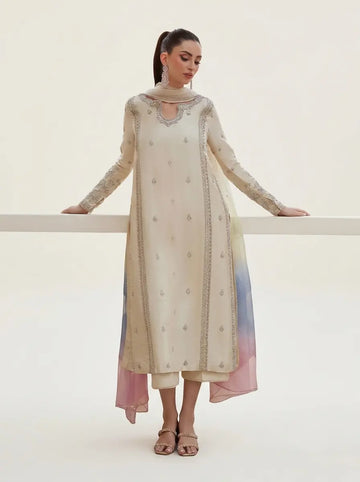
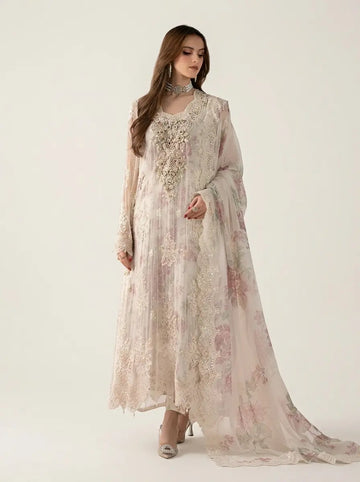
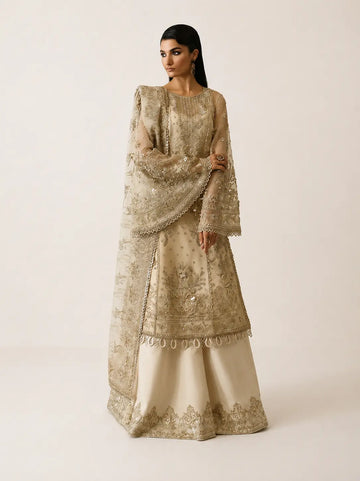
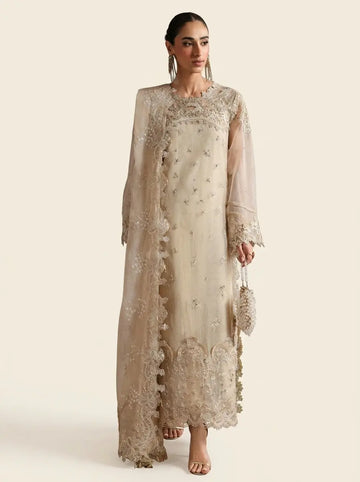
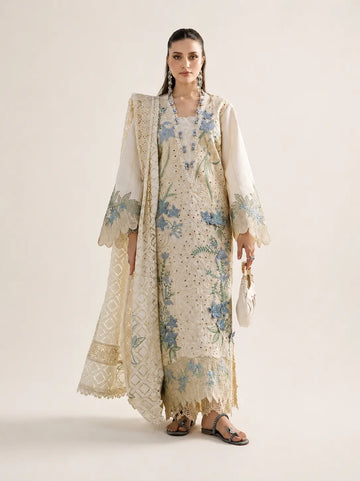
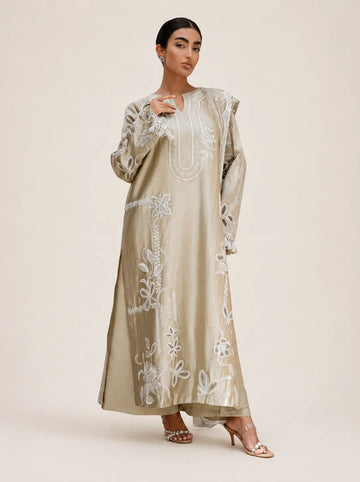
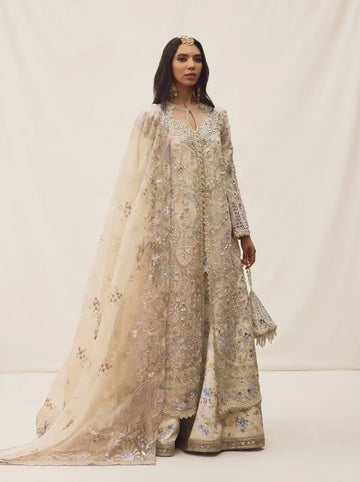
The Nikah is the solemn, religious heart of the wedding, and the dress code is more restrained. Soft, elegant colours suit the register: pastels, dusty rose, sage, powder blue, champagne, muted lilac. This is not the event for your loudest outfit.
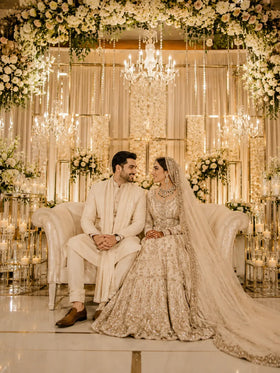
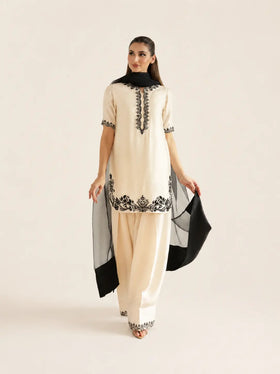
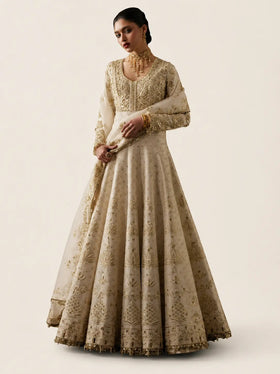
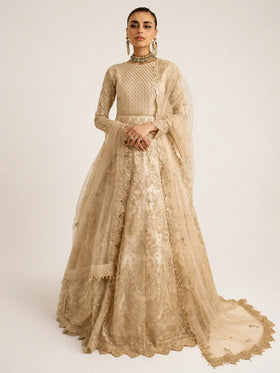
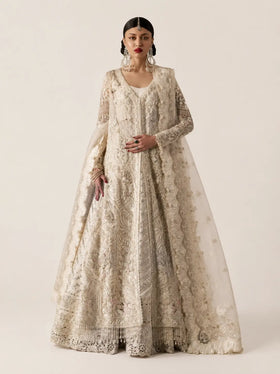
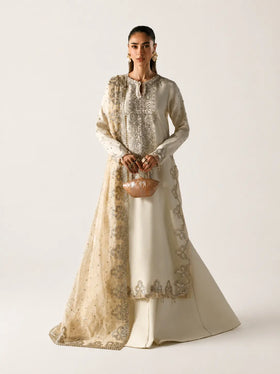
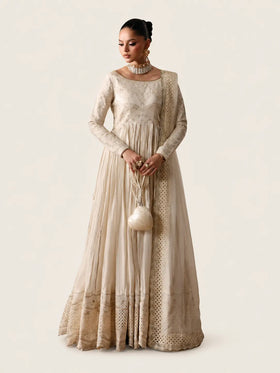
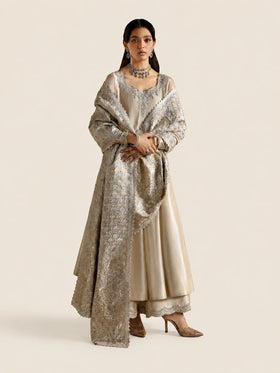
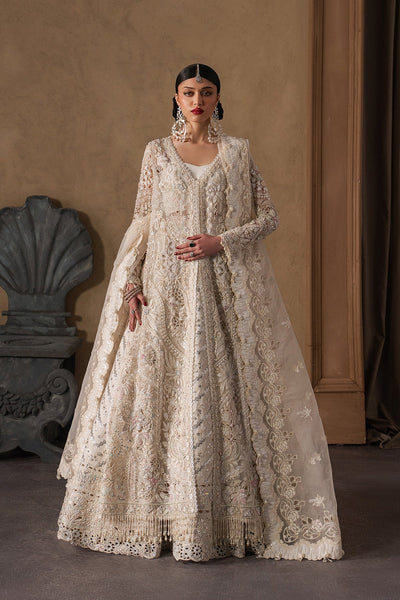
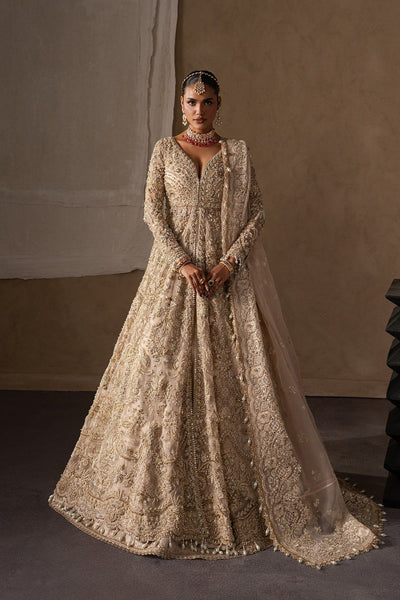
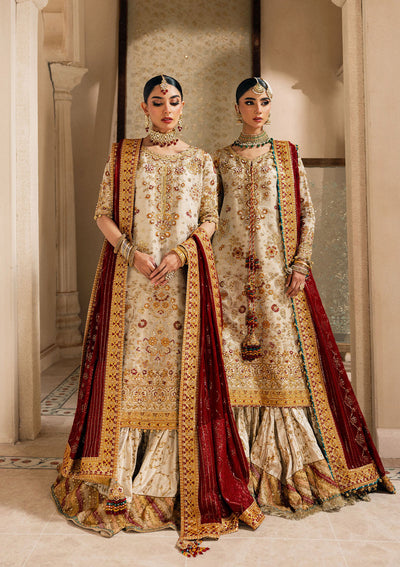
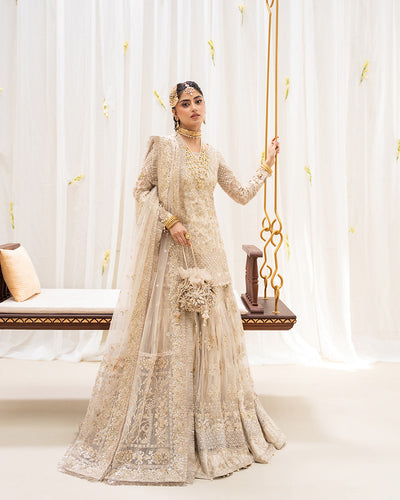
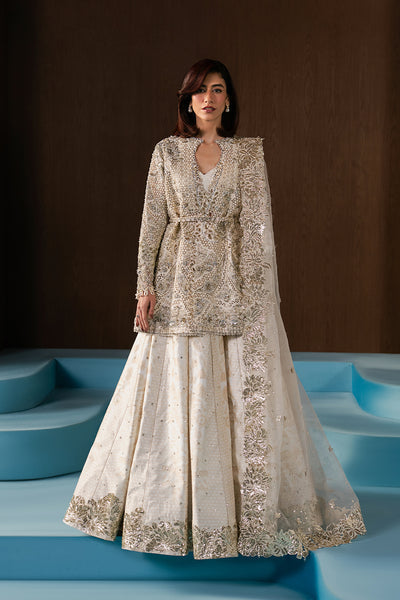
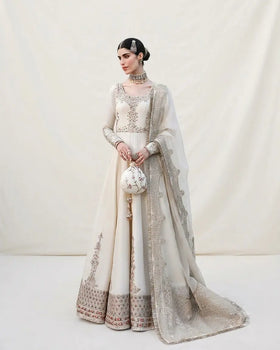
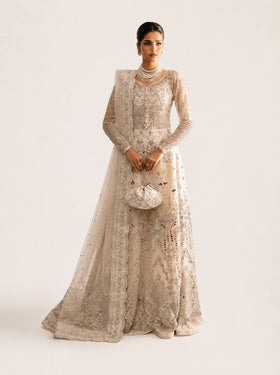
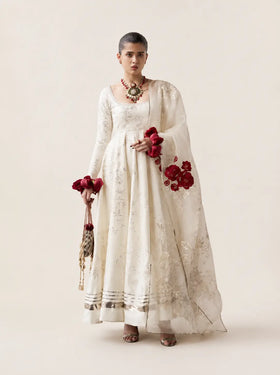
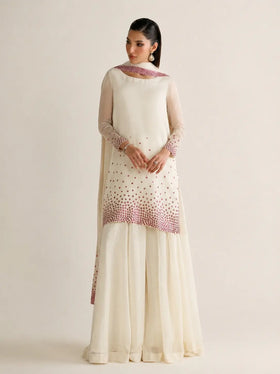
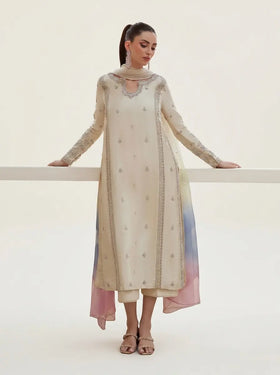
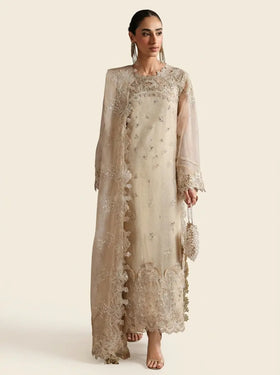
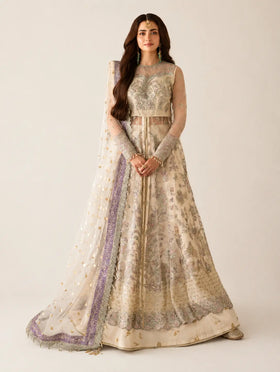
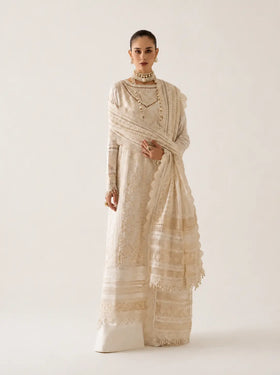
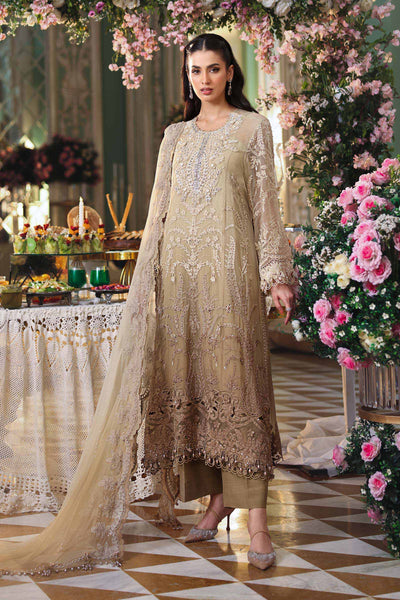
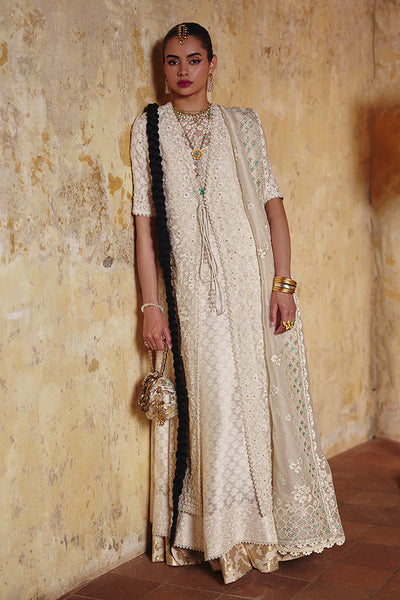
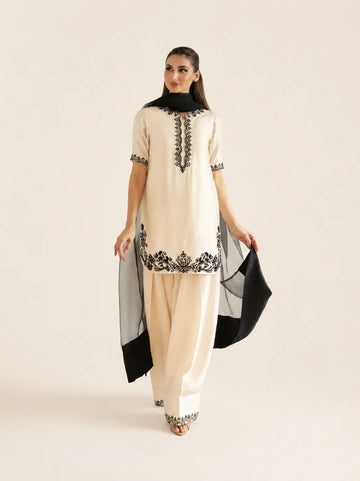
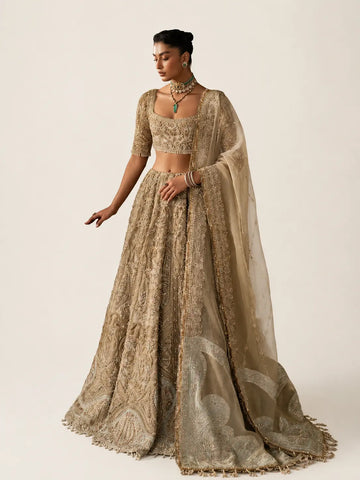
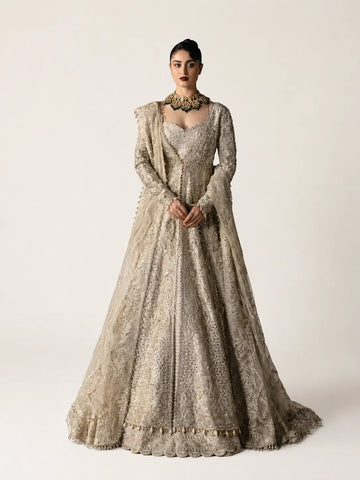
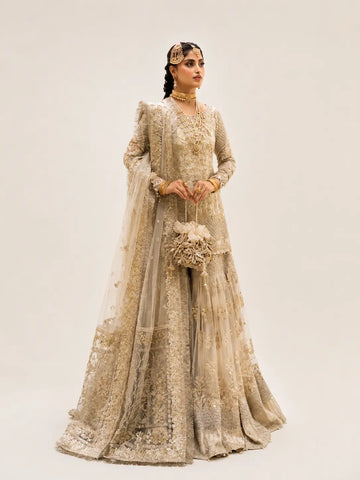
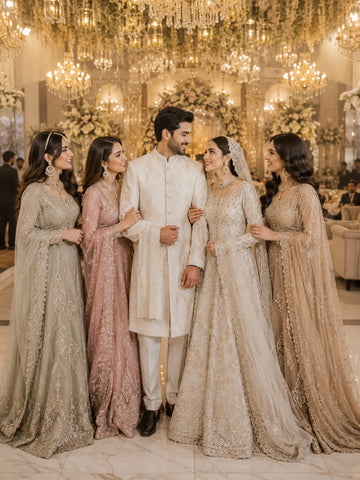
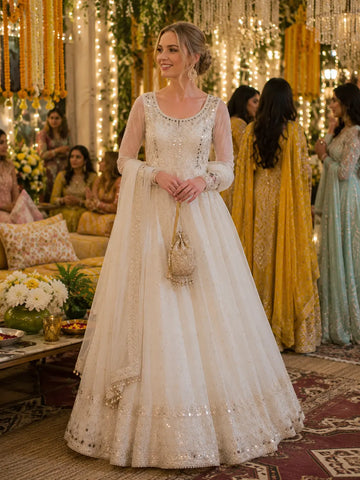
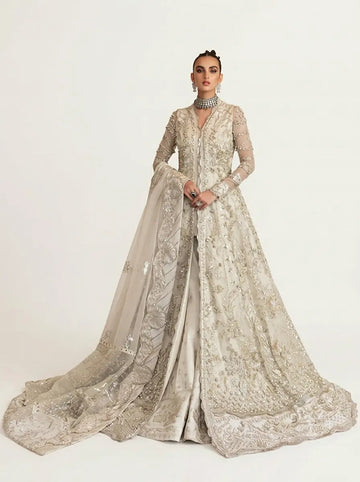
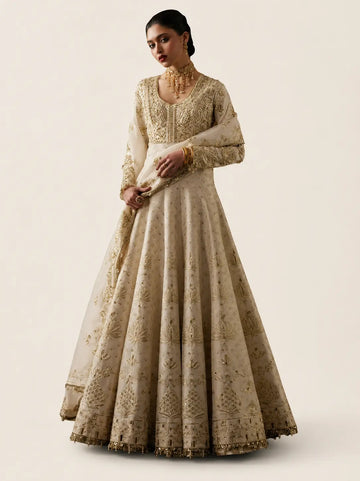
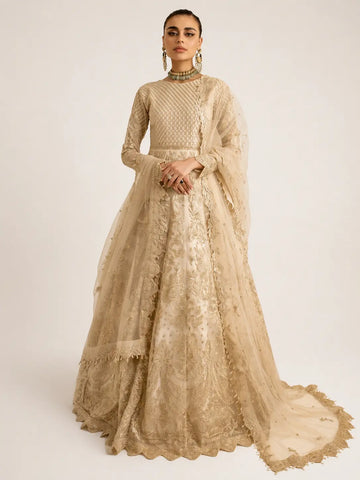
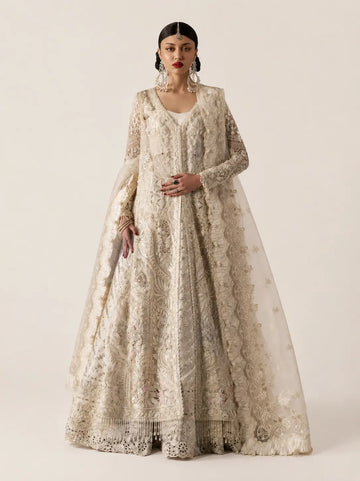
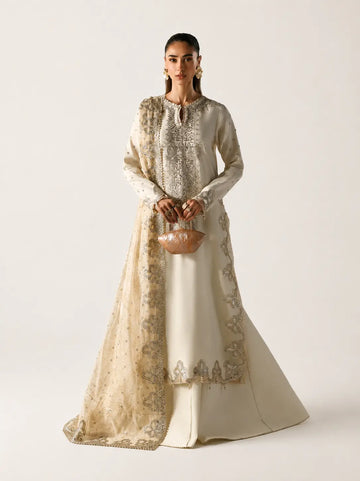
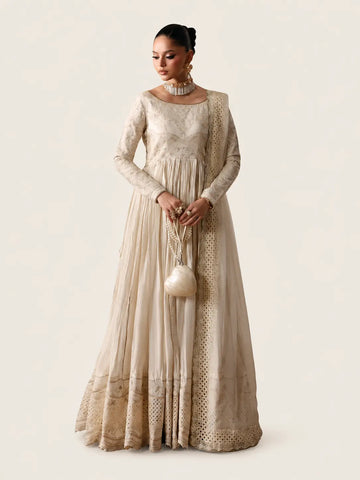
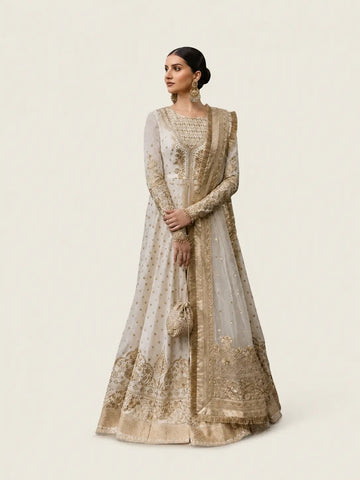
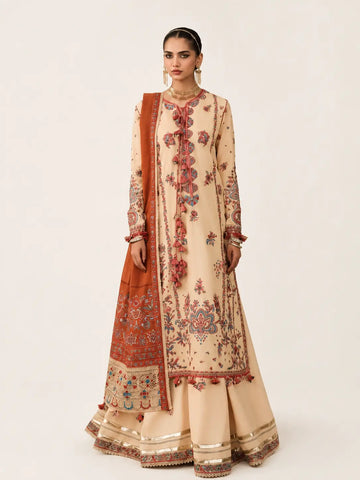
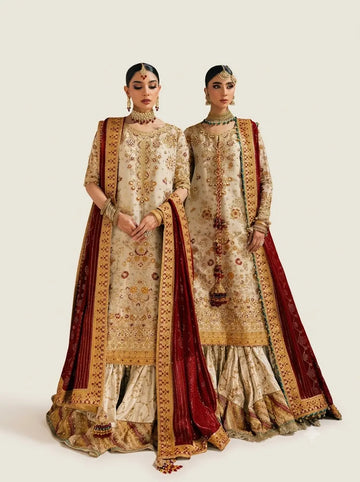
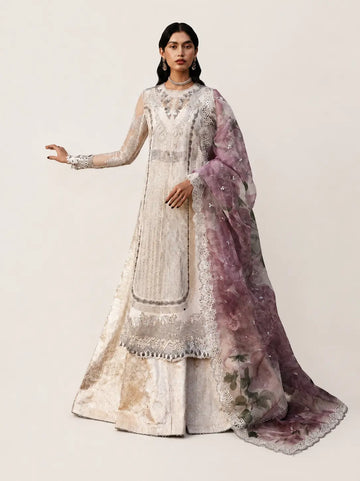
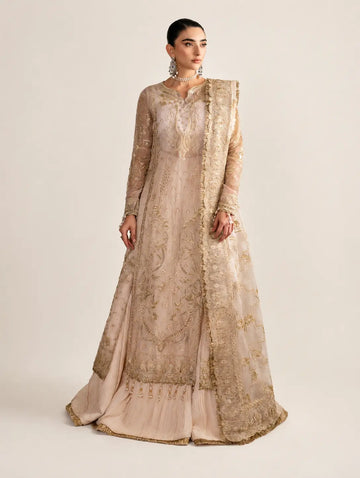
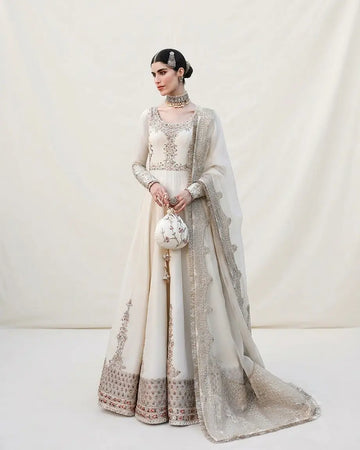
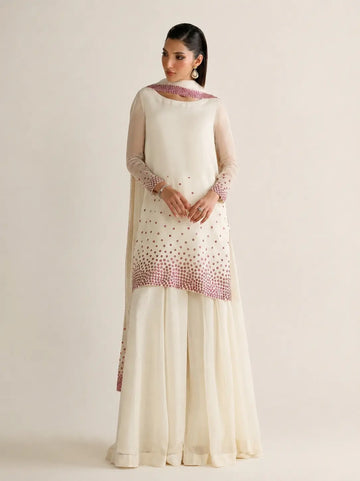
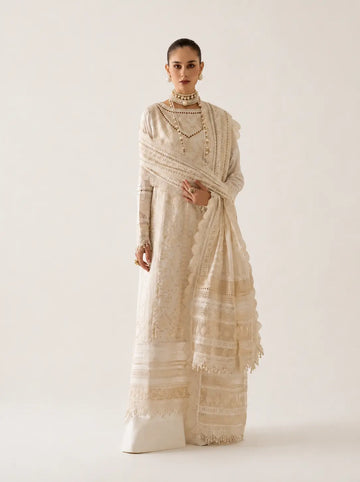
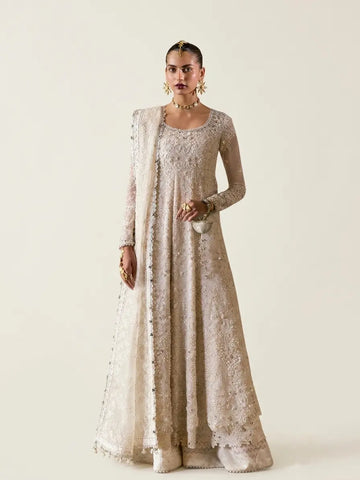
The ivory caution: soft ivory and champagne can be beautiful and appropriate for a Nikah guest but tread carefully, because in some settings the bride wears white or ivory at the Nikah. If you're unsure what the bride is wearing, choose a defined pastel — dusty rose, sage, lilac — over a true ivory, and you remove the risk. Shop Nikah dresses.
👑 Baraat — Rich Jewel Tones & Full Glamour
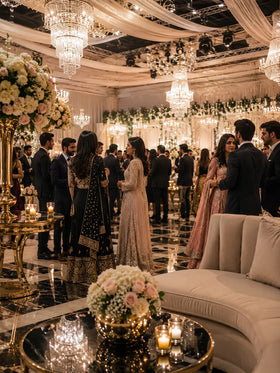
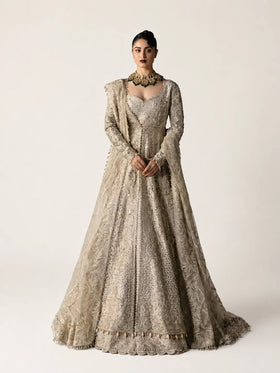
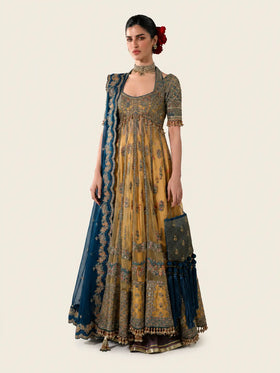
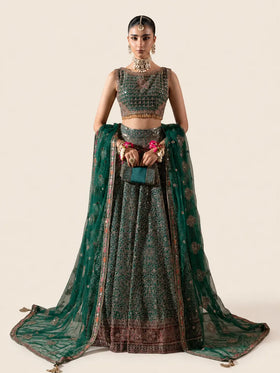
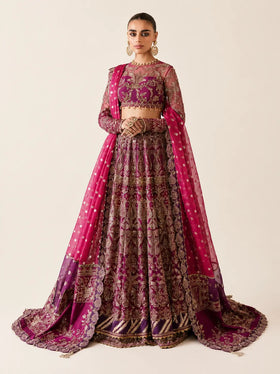
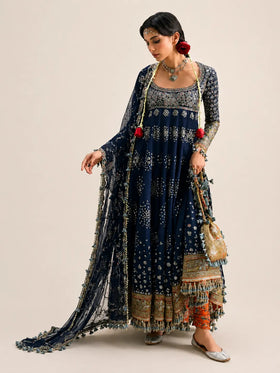
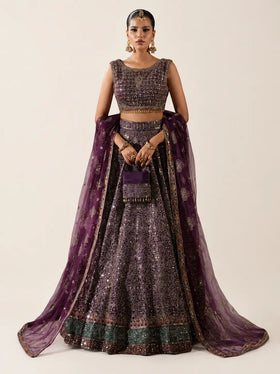
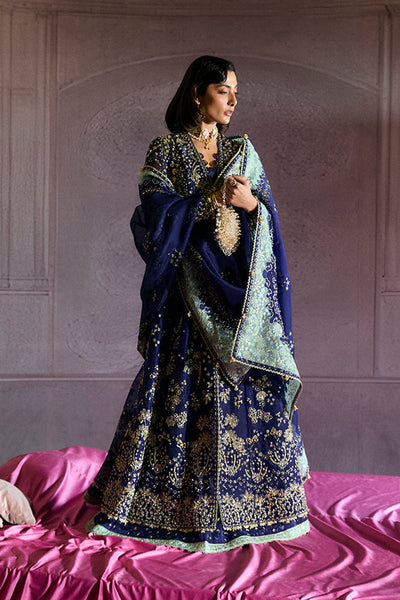
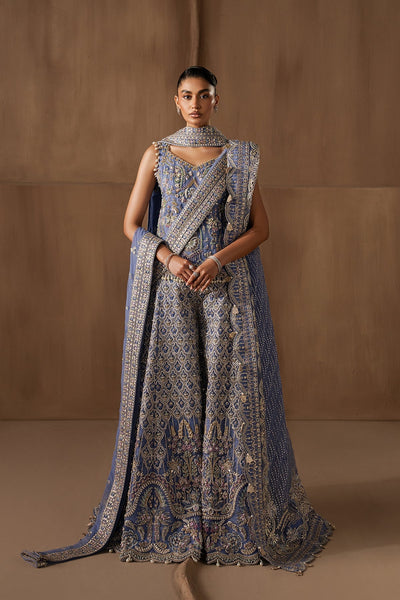
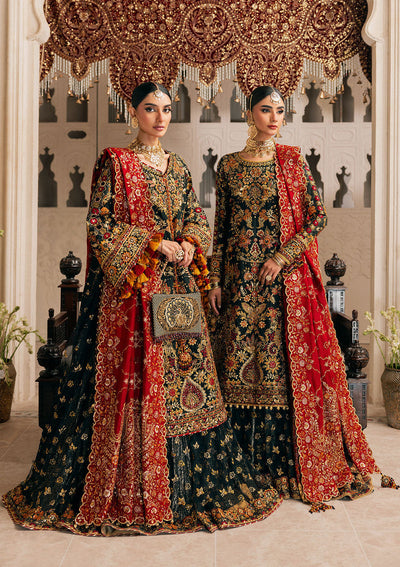
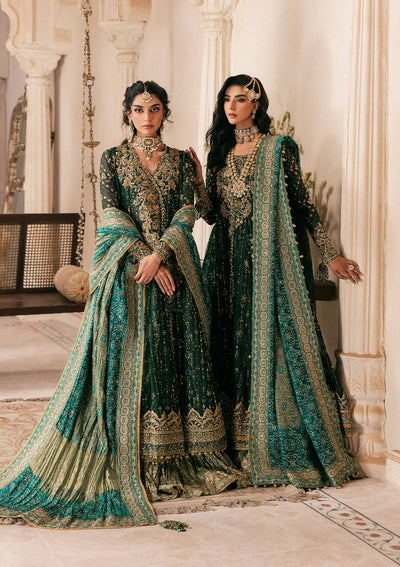
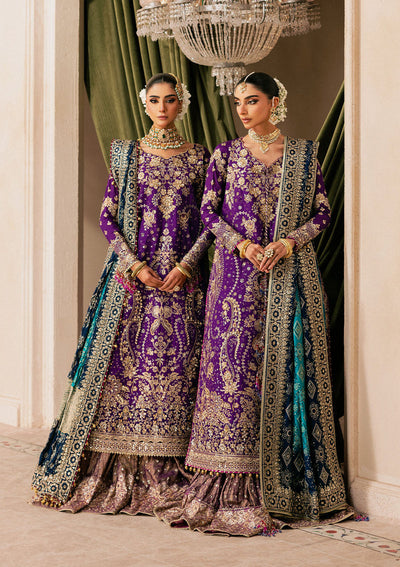
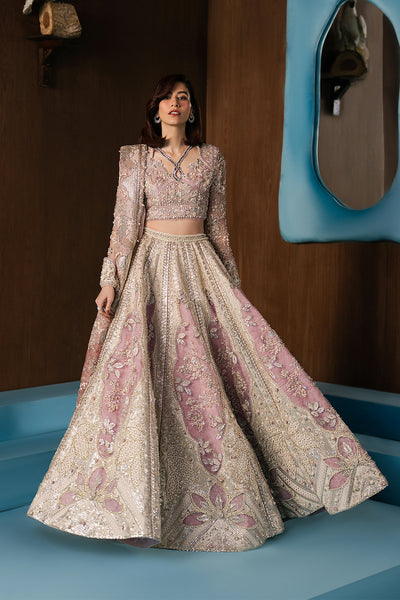
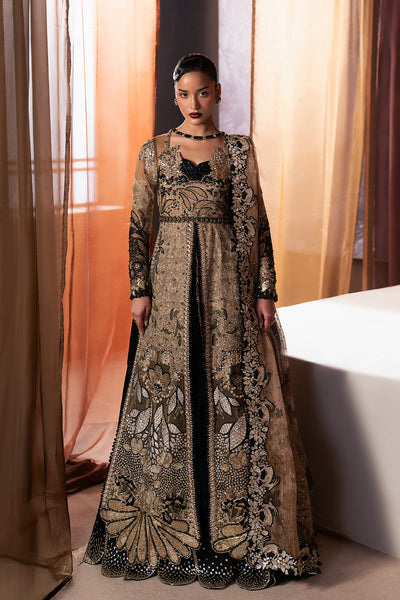
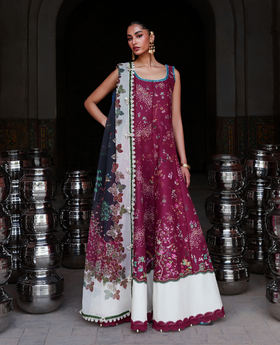
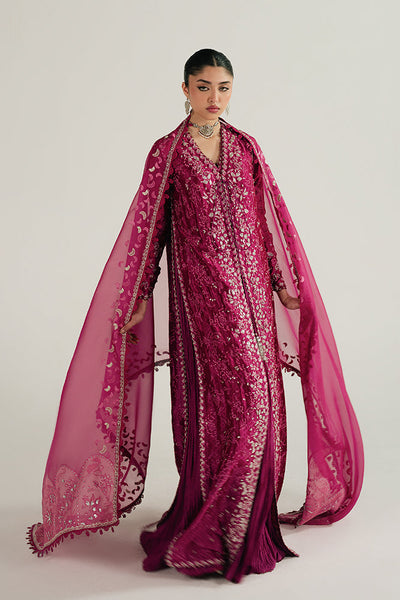
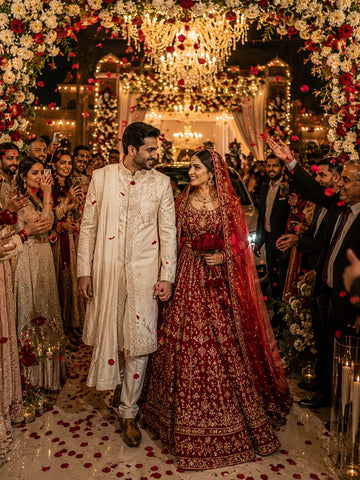
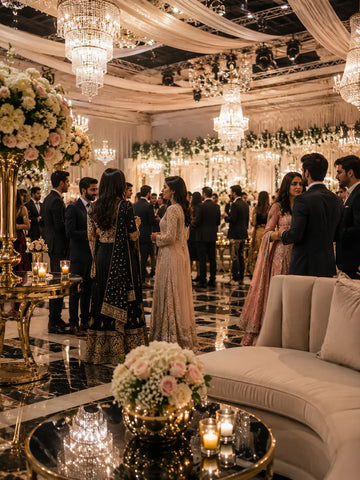
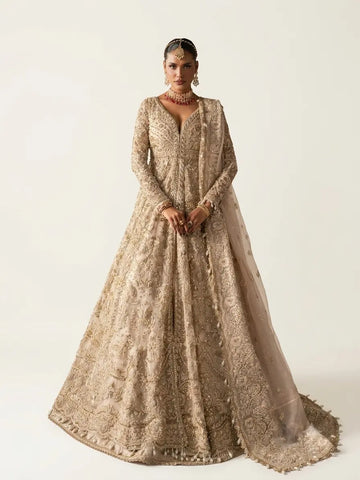
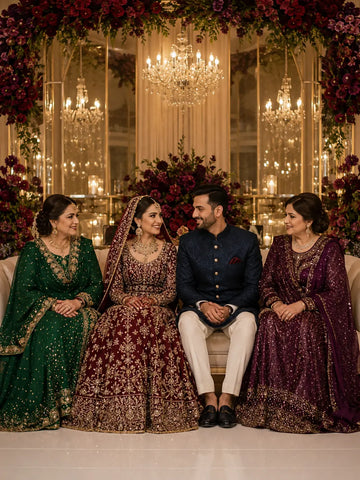
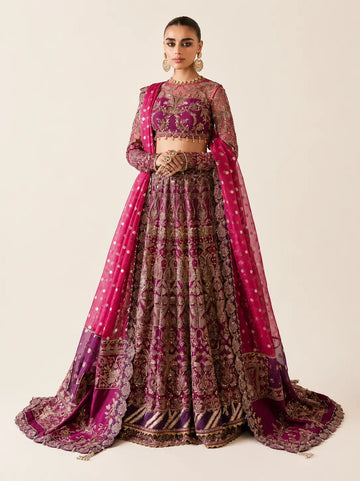
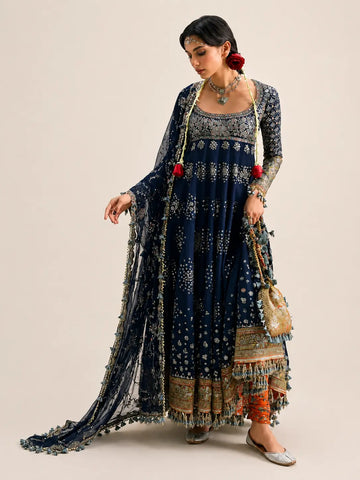
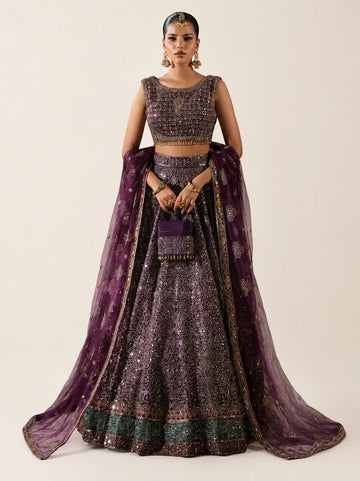
The Baraat is the grand main event, and the guest palette rises to meet it: rich jewel tones and deep, saturated colour. Emerald, sapphire, royal blue, deep teal, plum, magenta, gold. This is the event for your most embellished piece and your heaviest fabric under evening banquet lighting, depth of colour reads as luxury.
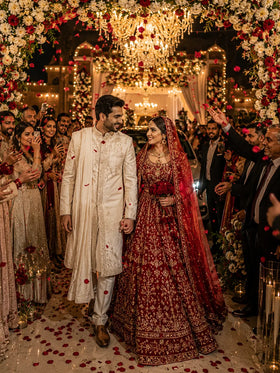
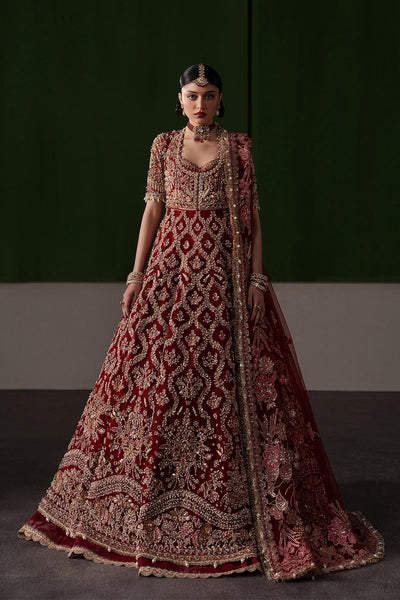
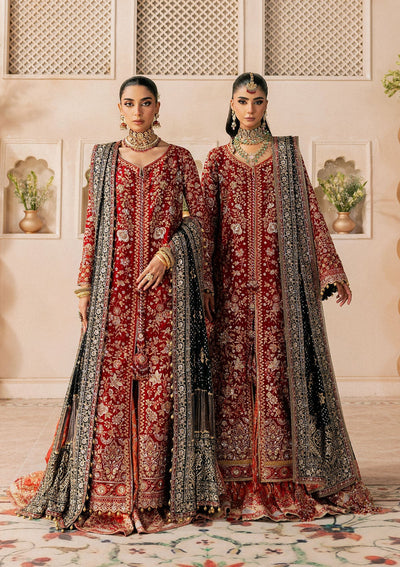
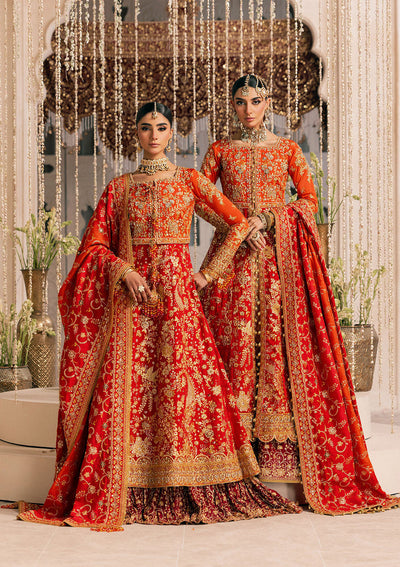
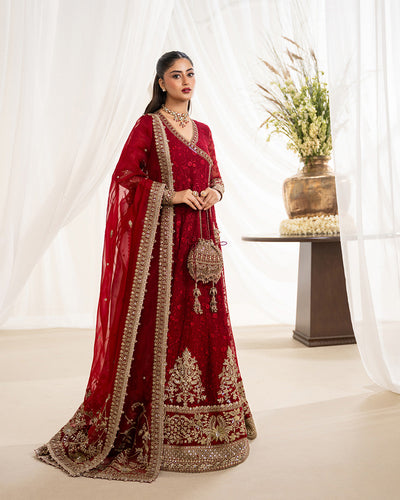
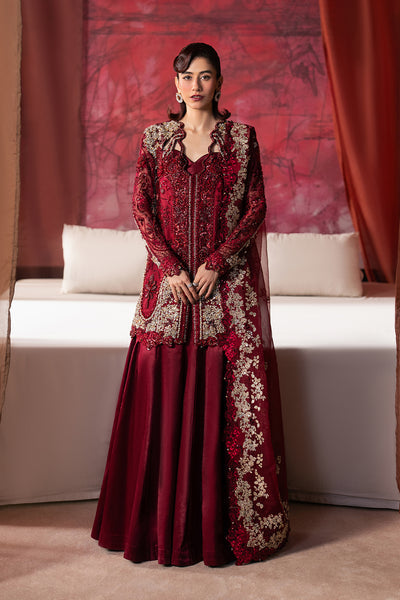
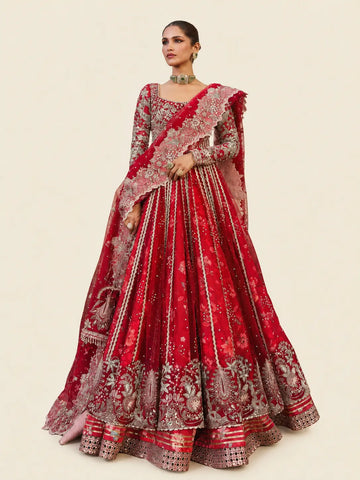
The one rule: avoid red. Bridal red and its close neighbours, deep maroon and scarlet belongs to the bride at the Baraat. A jewel tone that isn't red gives you all the drama with none of the risk. Shop Baraat dresses.
🌸 Walima — Elegant Pastels & Sophisticated Metallics
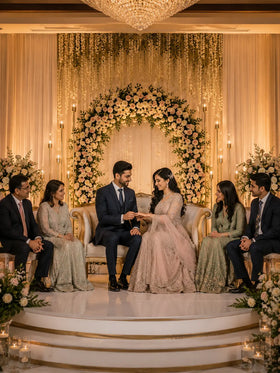
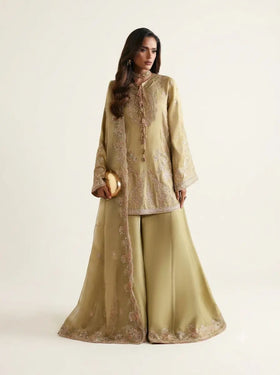
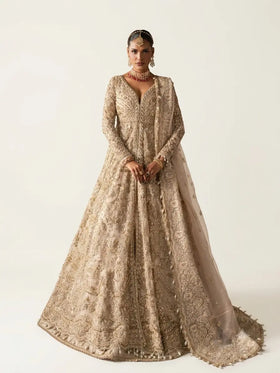
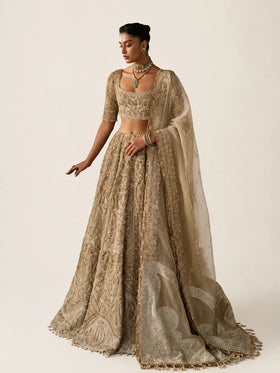
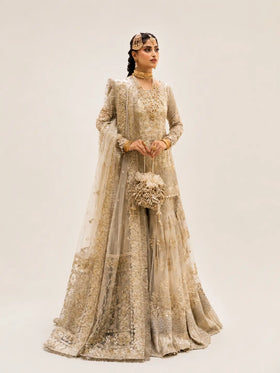
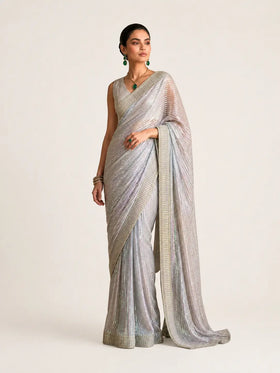
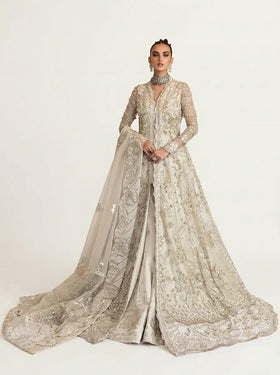
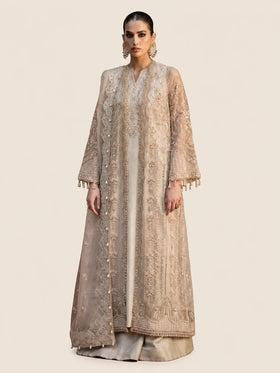
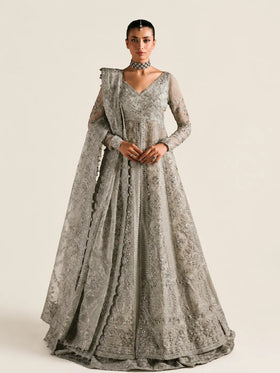
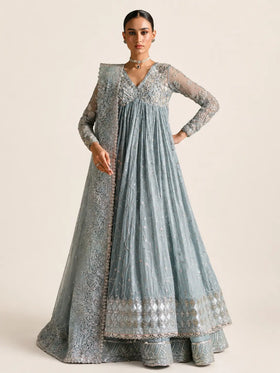
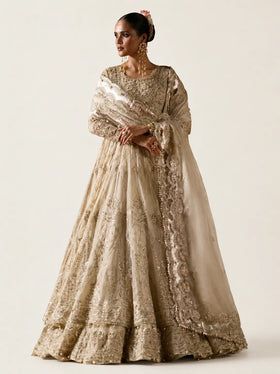
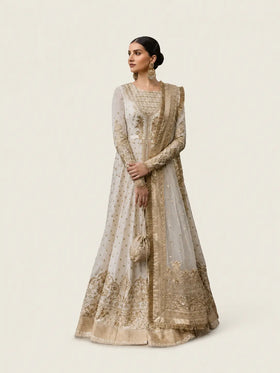
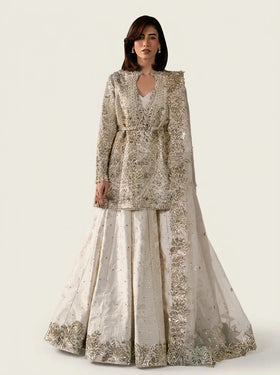
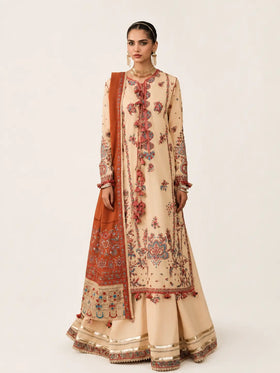
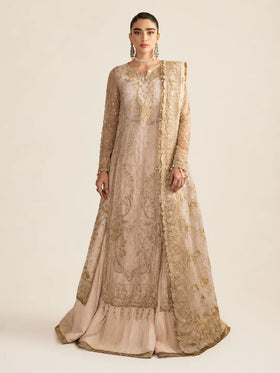
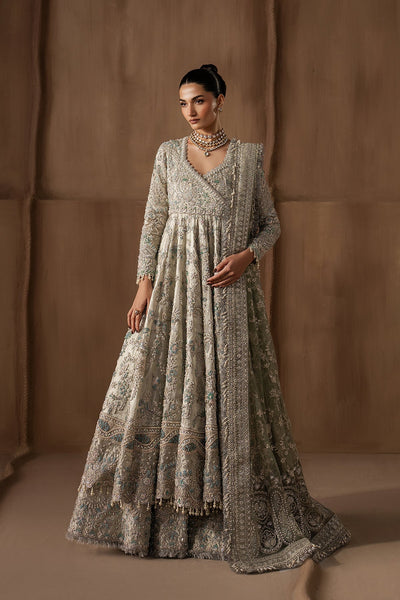
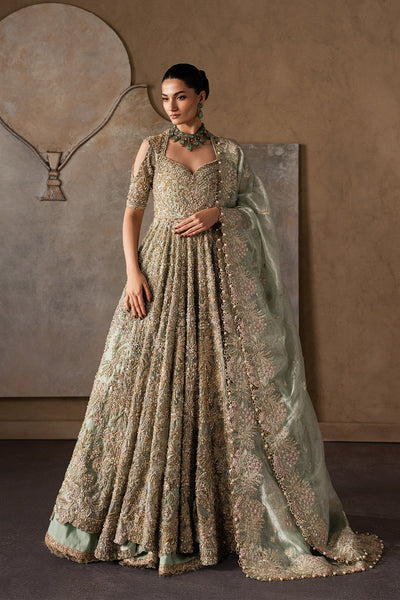
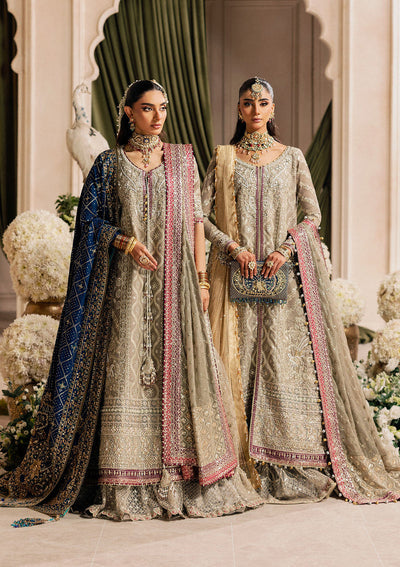
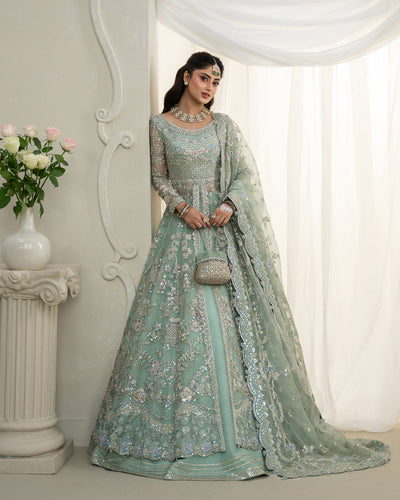
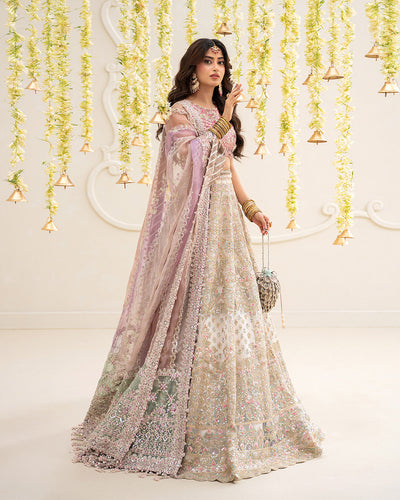
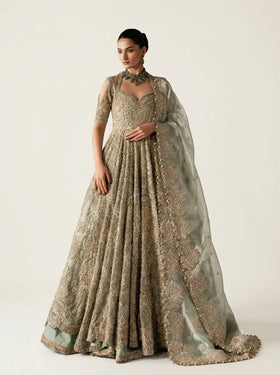
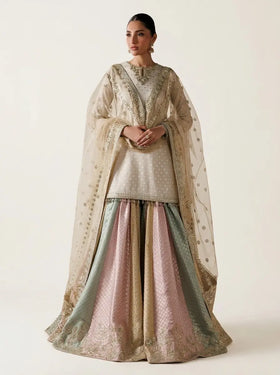
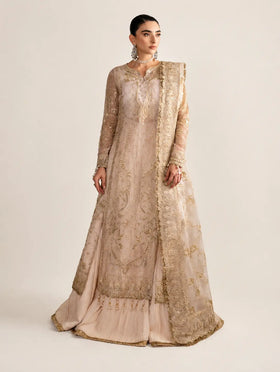
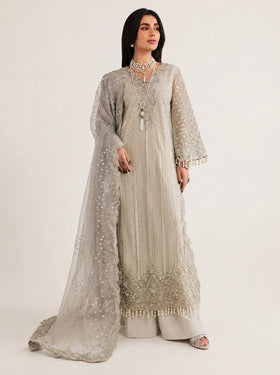
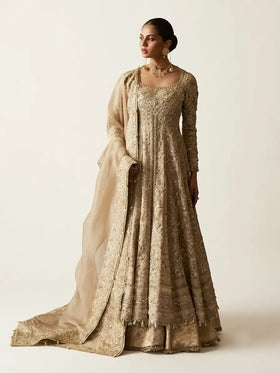
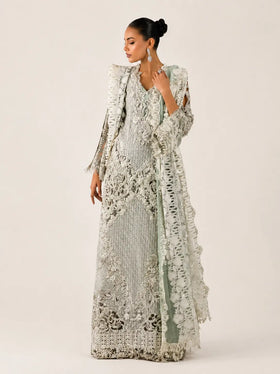
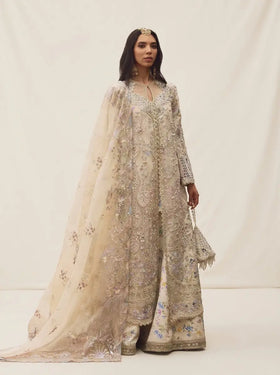
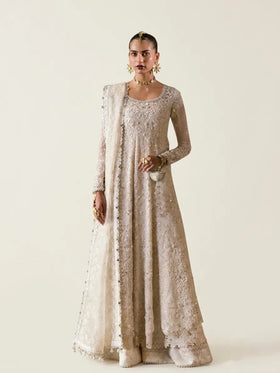
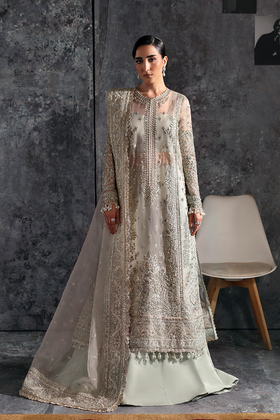
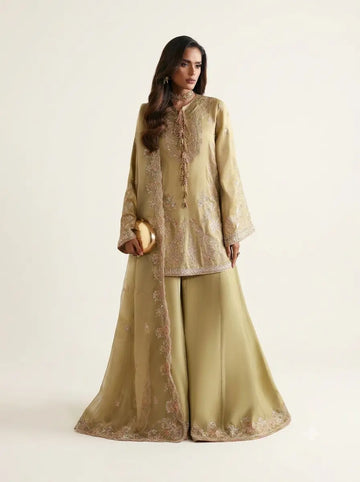
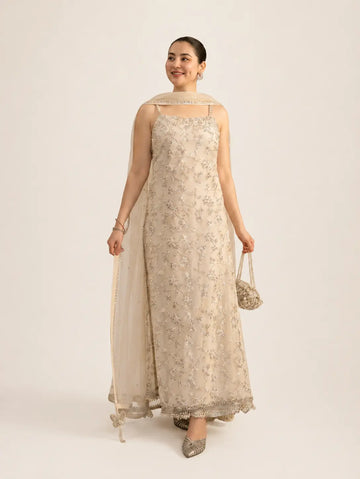
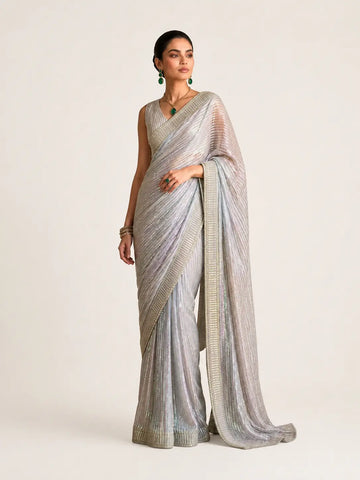
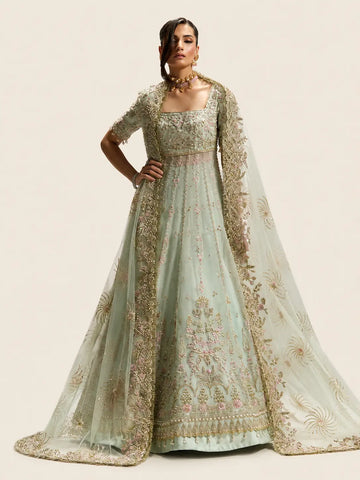
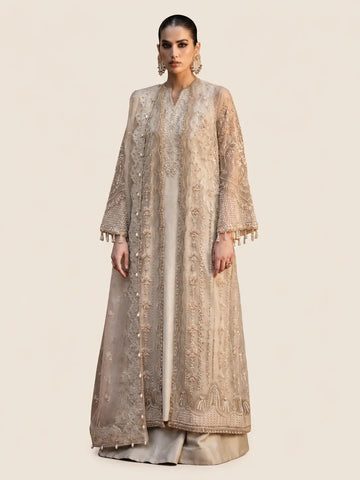
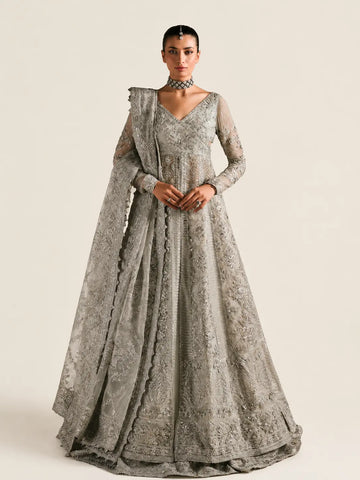
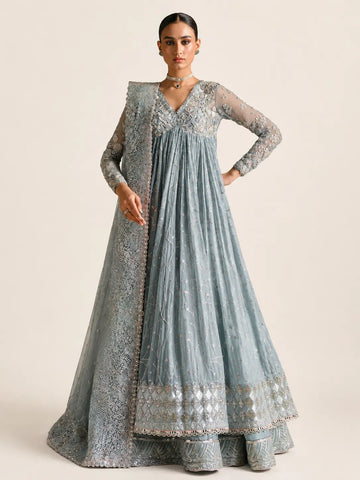
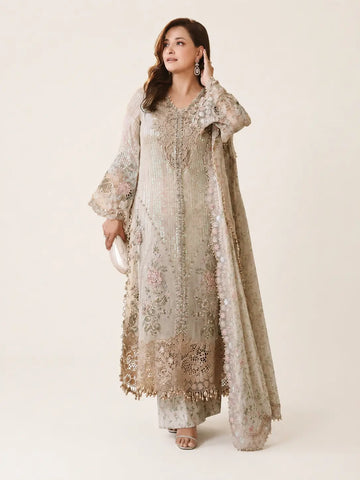
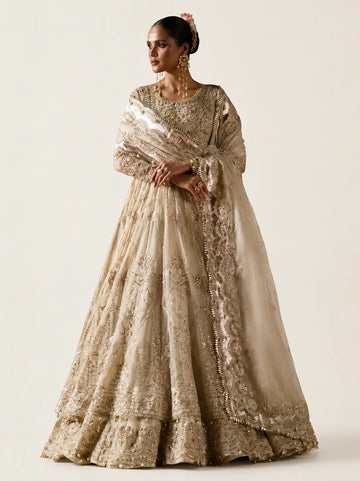
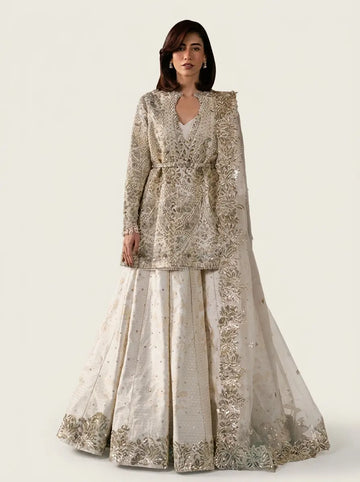
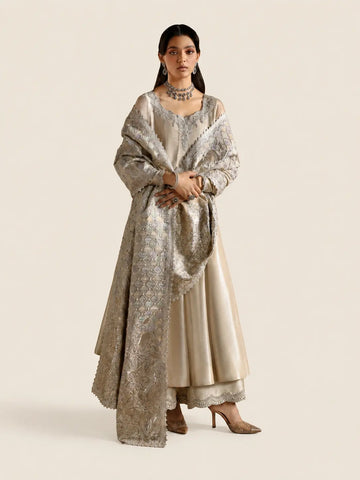
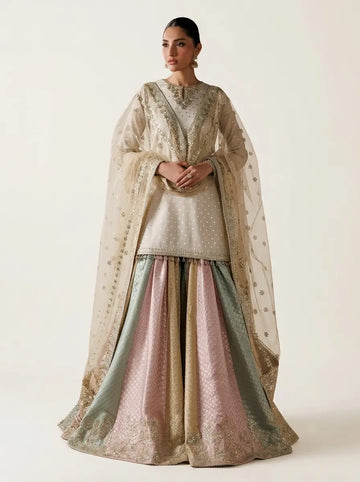
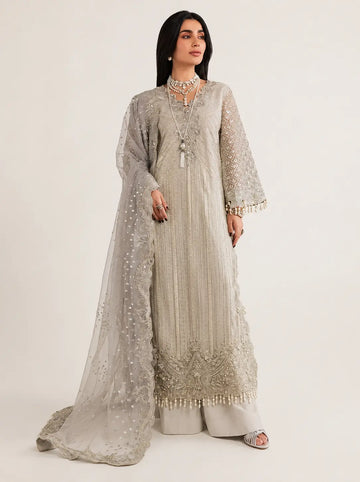
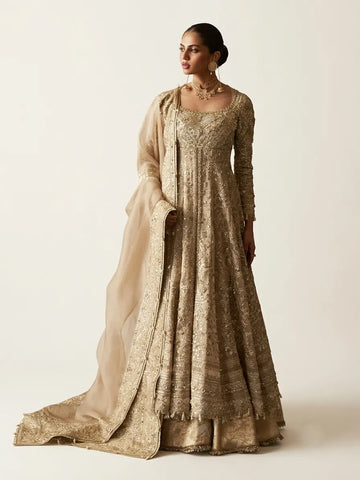
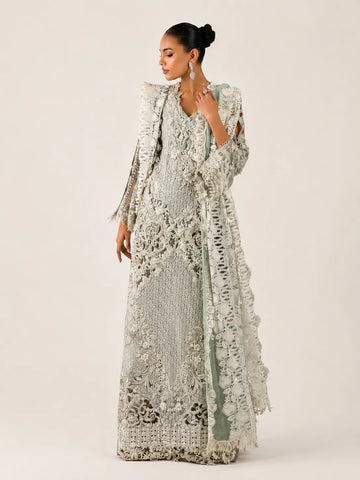
The Walima, hosted by the groom's family, is polished and elegant a touch softer than the Baraat's full drama. The palette leans to sophisticated pastels and refined metallics: dusty rose, powder blue, mint, lilac, champagne, rose gold, soft silver, pearl grey. Romantic and graceful rather than loud.
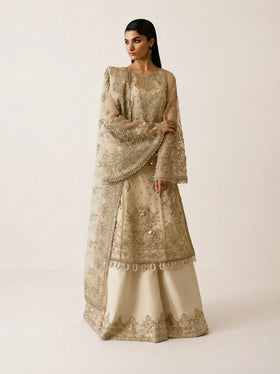
Guest note: the Walima is where metallics genuinely shine and a champagne or rose-gold piece feels exactly right. Just keep clear of full white, which reads bridal at this formal register. Shop Walima dresses.
Your Skin Undertone: The Filter Most Guests Skip
Here's what turns a good colour choice into a great one. Two women can wear the same emerald and one glows while the other looks slightly drained and the difference is undertone. Season tells you the palette, event tells you the register, but undertone tells you which specific shade of that colour flatters you. Most guests never check it. It takes two minutes.
The at-home undertone test
The vein test
Look at the veins on the inside of your wrist in natural daylight. Greenish veins suggest a warm undertone; blue or purple suggests cool; if you genuinely can't tell, you're likely neutral.
The jewellery test
Which metal makes your skin look healthiest? Gold flatters warm undertones; silver and platinum flatter cool undertones. If both look good, that points to neutral.
The white-vs-cream test
Hold a pure bright white next to your face, then a soft cream. If cream is more flattering, you're warm; if crisp white wins, you're cool; if both work, neutral.
The sun test
How does your skin react to sun? Tends to tan golden-brown suggests warm; tends to burn or go pink first suggests cool. A general guide, not a rule.
Take the majority answer across all four — they usually agree. Then match to your undertone below.
Warm Undertone
Gold, mustard, coral, peach, warm red, olive, rust, terracotta, ivory, tomato, warm greens. Earthy and sunlit shades come alive on you.
Icy pastels, cool blue-toned pinks, stark cool grey so they can drain warm skin.
Cool Undertone
Sapphire, emerald, amethyst, ruby, cool pink, lavender, teal, plum, icy blue, true white, silver-greys. Jewel tones are made for you.
Orange, warm yellow, rust — they can clash with cool skin. Reach for the blue-based version of a shade.
Neutral Undertone
The lucky ones — most shades work. Jewel tones, dusty rose, teal, soft coral, and true reds are especially flattering. Balanced tones over extremes.
Very little — but the most electric neons and the palest icy shades can wash you out slightly.
Once you know your undertone, your jewellery choice follows automatically and it makes the whole outfit more cohesive. Warm undertones: lead with gold and warm-toned dupattas. Cool undertones: silver and platinum, and cooler dupatta shades. This is the trick that makes an outfit look considered rather than assembled the metal and the colour temperature agreeing with your skin. I wear gold almost exclusively because I'm warm-toned, and switching to silver genuinely makes me look tired. Know which camp you're in and never second-guess the jewellery again.
Colours to Avoid: The Cultural Taboos
Some colours carry meaning strong enough that wearing them as a guest ranges from a faux pas to a genuine offence. Here are the ones to approach with real care, and why.
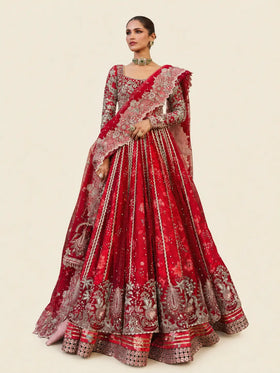
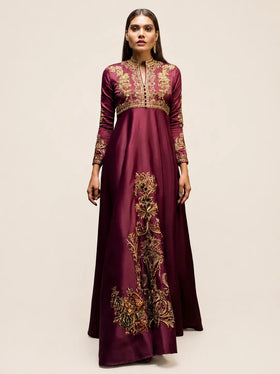
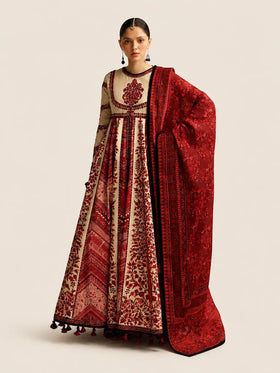
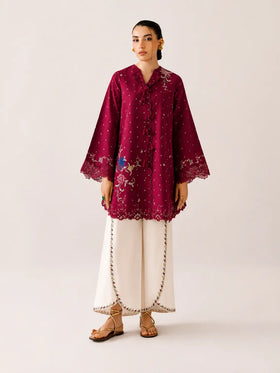
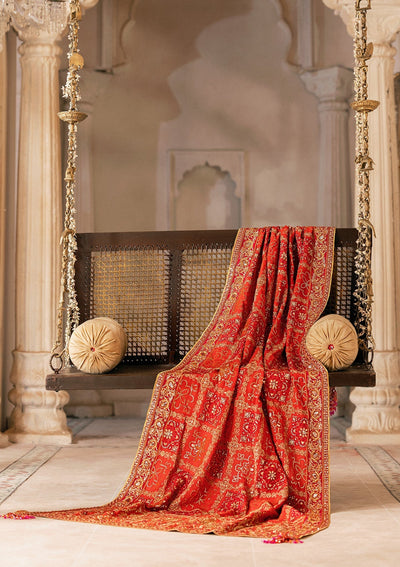
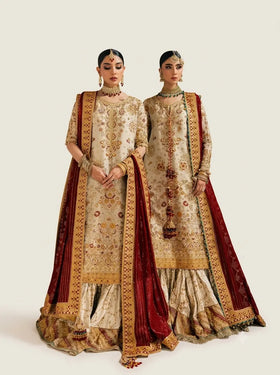
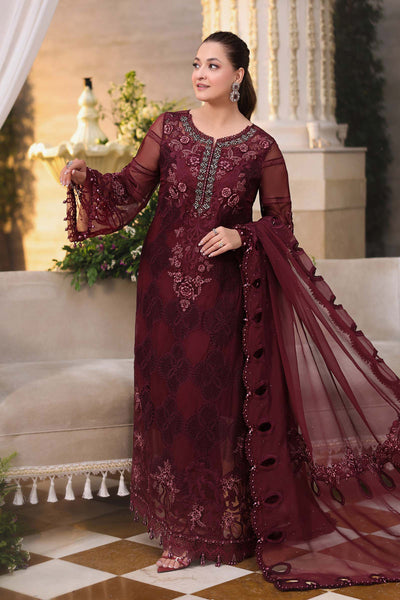
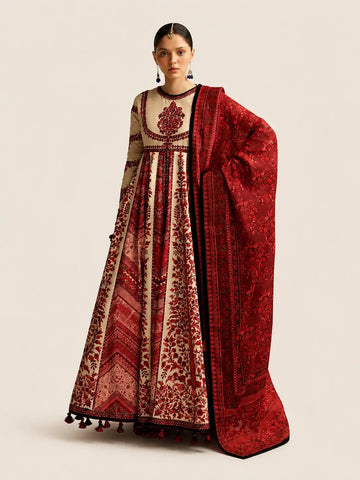
Red — especially deep bridal red, maroon, and scarlet — belongs to the bride. This is the most important rule in this entire guide. At the Baraat particularly, the bride is almost always in red, and a guest in the same shade risks looking like an unintended part of the bridal picture. Save your beautiful reds for events where you're not a wedding guest.
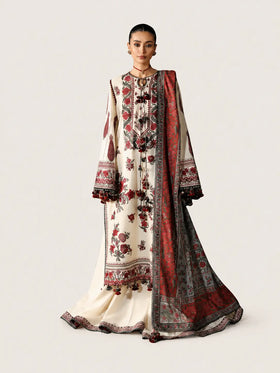
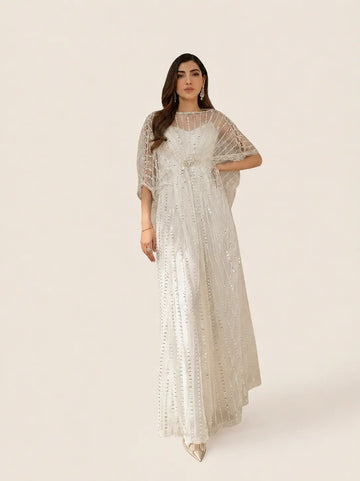
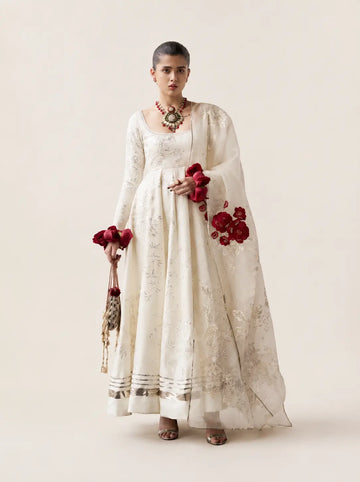
Pure, stark white carries a double risk. In Pakistani and wider South Asian culture, white is traditionally associated with mourning, which makes head-to-toe white feel inauspicious at a celebration. It can also edge into bridal territory at Nikah and Walima. Soft ivory or champagne with embellishment can work but pure white is best avoided.
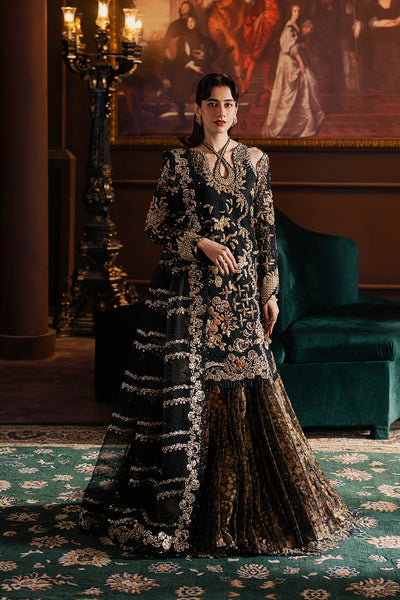
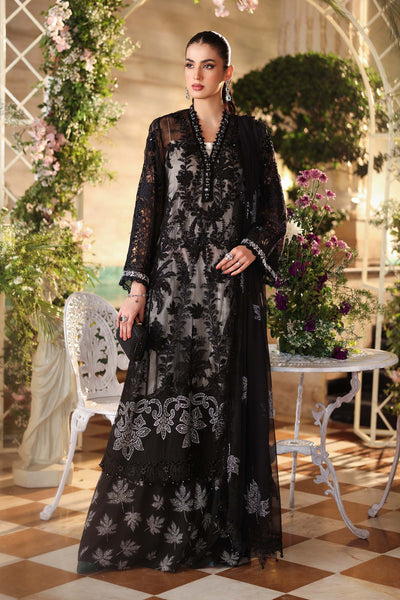
All-black for a daytime celebration reads as sombre in a culture where weddings are explosions of colour, and to some older guests it carries mourning associations too. Black as an accent, or a black piece with rich embellishment for an evening event, is far more acceptable but a plain black daytime outfit misses the celebratory brief. When in doubt for daytime, choose colour.
One more, softer caution: if you happen to know the bridal party's specific colour scheme and the shade the sisters and bridesmaids are coordinating in avoid wearing that exact shade, or you risk looking like an unintended member of the entourage. A quick ask beforehand solves it.
Seasonal Colour Palette at a Glance
The whole seasonal system in one scannable table — screenshot it for your next shopping trip.
| Season | Signature Colours | Best Fabrics | Best Events |
|---|---|---|---|
| 🌸 Spring | Blush, sage, lavender, peach, buttercup | Chiffon, organza, lawn | Daytime Nikah, spring Mehndi |
| ☀️ Summer | Turquoise, coral, marigold, fuchsia | Lawn, chiffon | Daytime Mehndi, garden functions |
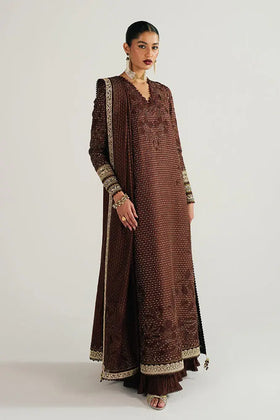
| 🍂 Autumn | Rust, mustard, terracotta, deep wine | Silk, karandi, jamawar | Evening autumn events, semi-formals |
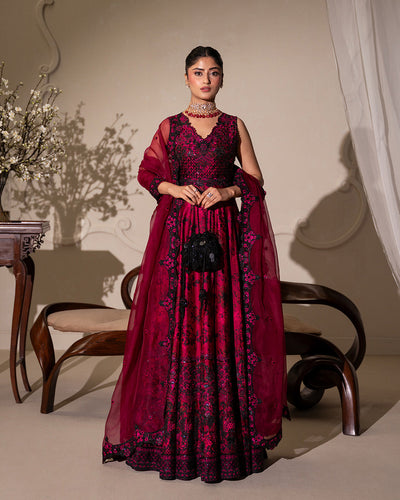
| ❄️ Winter | Emerald, sapphire, amethyst, burgundy | Velvet, raw silk, heavy silk | Evening Baraat, winter Walima |
The Unified Colour Matrix: Season × Event Together
This is the tool the guide is built around — the one thing most colour guides never give you. Instead of choosing by season or by event, this matrix answers both at once. Find your season down the side, your event across the top, and read off a palette that satisfies both.
| Season ↓ / Event → | Mehndi | Nikah | Baraat | Walima |
|---|---|---|---|---|
| 🌸 Spring | Bright coral, spring green | Blush, powder blue | Amethyst, teal (lighter) | Lavender, champagne |
| ☀️ Summer | Marigold, fuchsia, turquoise | Mint, soft peach | Peacock, magenta | Powder blue, rose gold |
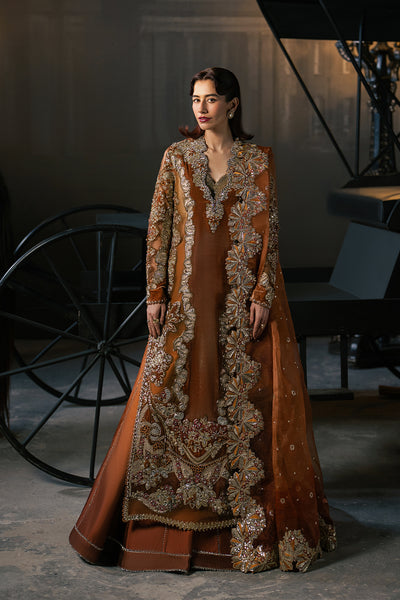
| 🍂 Autumn | Mustard, warm orange | Dusty rose, sage | Deep wine, bronze, plum | Terracotta, antique gold |
| ❄️ Winter | Rich green, magenta | Muted lilac, pearl grey | Emerald, sapphire, midnight | Deep teal, silver, champagne |
Every cell avoids bridal red and pure white by design so any shade in this matrix is a culturally safe starting point. Narrow further by your undertone using the section above.
The Mehndi-to-Walima Colour Story
If you're attending the full wedding week, there's an art to how your colours flow across the events a journey from the brightest daytime celebration to the most refined evening reception. Here's one cohesive colour story that carries you through all four, each shade chosen to suit its event and to feel like a deliberate progression rather than four unrelated outfits.
Marigold & Green
Start at the brightest point. A vivid marigold or grass-green piece meets the Mehndi's festive, colour-drenched register — joyful, saturated, and photographs beautifully against the henna and floral décor.
Dusty Rose
Soften right down. After the Mehndi's brightness, a dusty rose or muted pastel matches the Nikah's solemn elegance — a deliberate step into something quieter and more refined.
Emerald
Rise to the occasion. The Baraat is the grand event, so this is your jewel-tone moment a rich emerald (or sapphire, or plum) with your heaviest embellishment. Full glamour, no red.
Champagne & Rose Gold
End on elegance. The Walima closes the week with sophistication — a champagne or rose-gold metallic feels polished and celebratory, a graceful finish to the colour journey.
Attending several weddings a year? Invest in one high-quality outfit in a universal colour teal, dusty rose, or emerald and restyle it with different dupattas and jewellery for different events. A jewel-tone piece can be dressed up for a Baraat with heavy gold, or softened for a Walima with a metallic dupatta and lighter jewels. Nobody photographs the same outfit twice if the styling around it changes.
Find your colour in UK stock
Every shade in this guide, across 200+ Pakistani designers — UK stock, no customs, free UK delivery, free custom stitching.
Shop Wedding Guest Outfits →Pakistani Wedding Guest Colour FAQs
Can I wear red to a Pakistani wedding as a guest?
What colour should I avoid most at a Pakistani wedding?
What are universally safe colours for any Pakistani wedding event?
How do I choose a colour if I don't know my skin undertone?
Can I wear the same outfit to more than one wedding event?
Will pastels photograph badly under wedding lighting?
Is yellow only for the bride at the Mehndi?
What colours suit a winter Pakistani wedding?