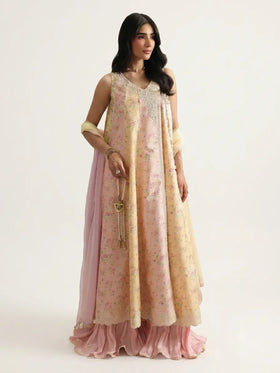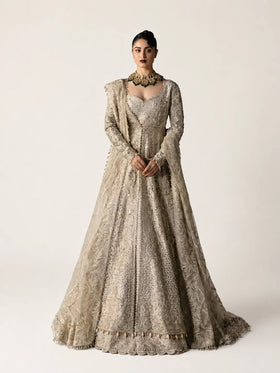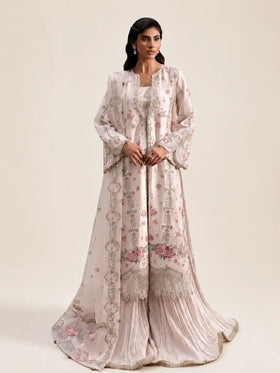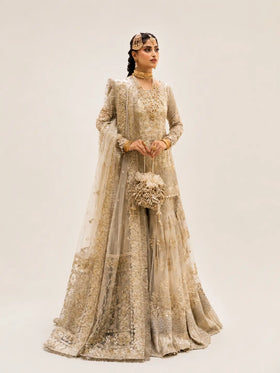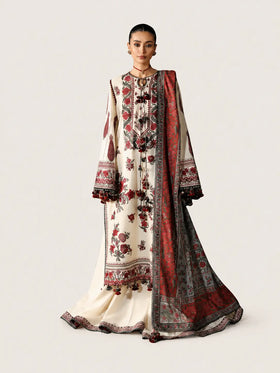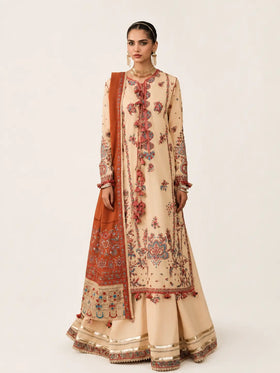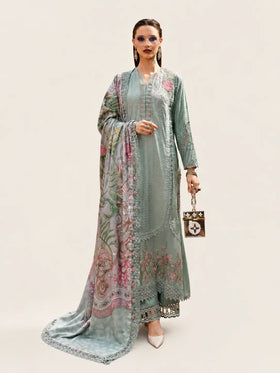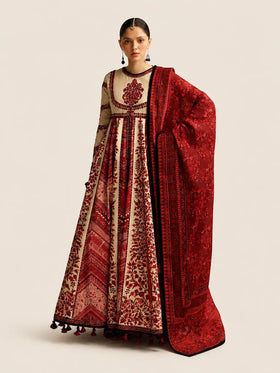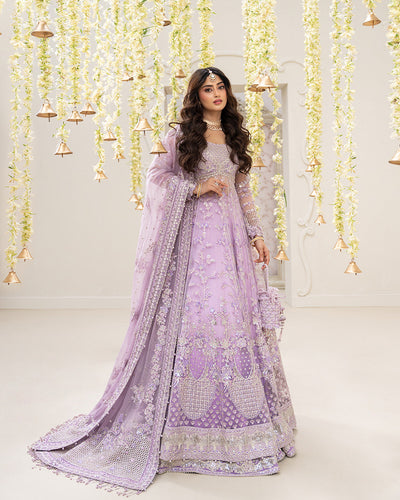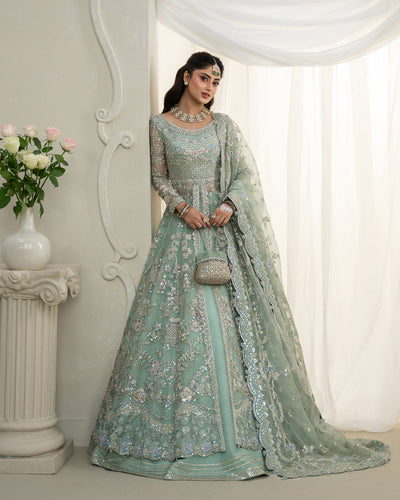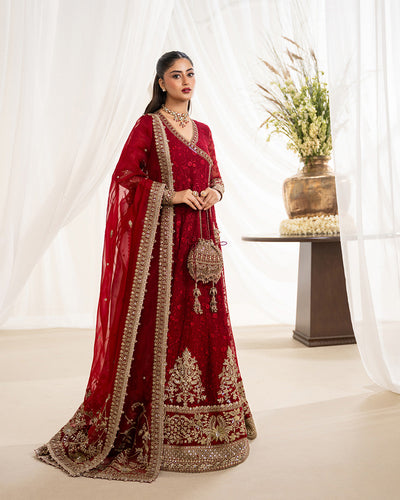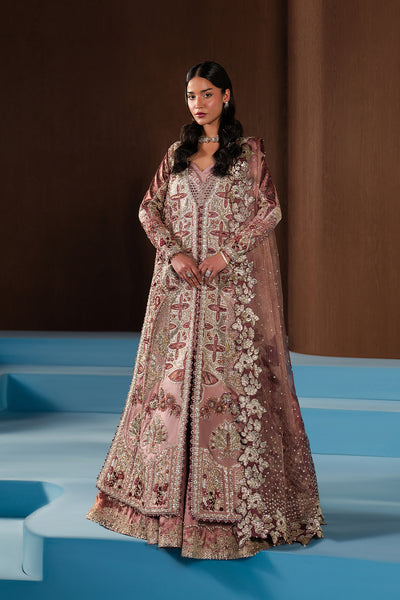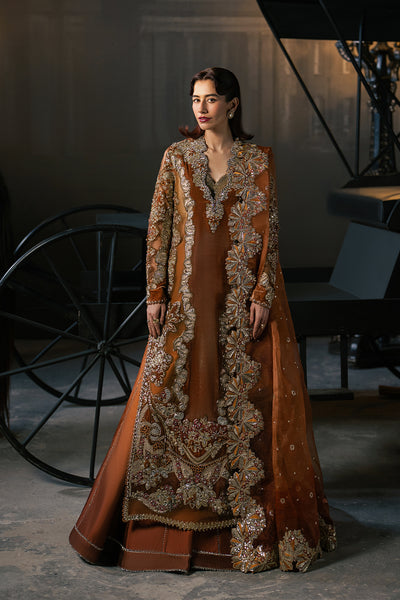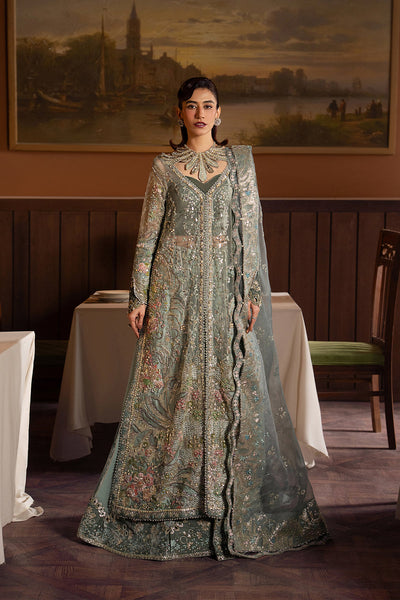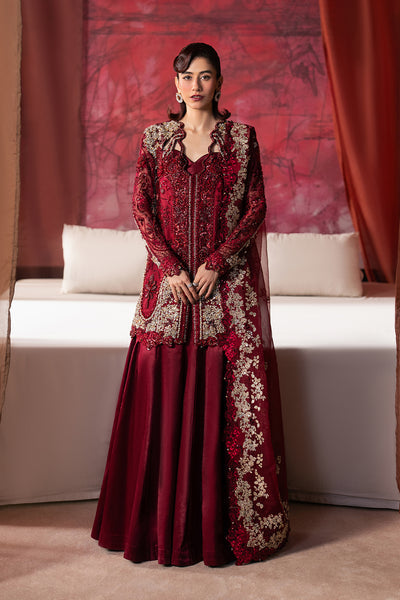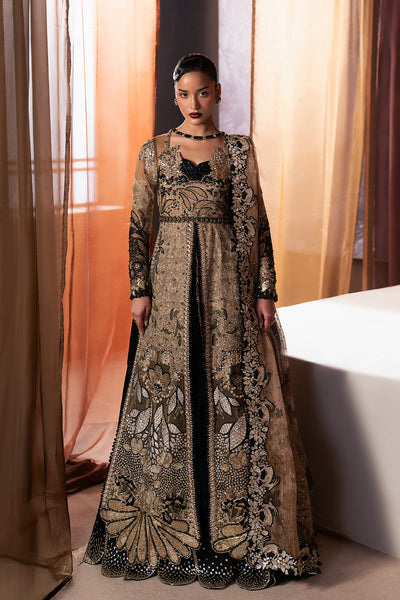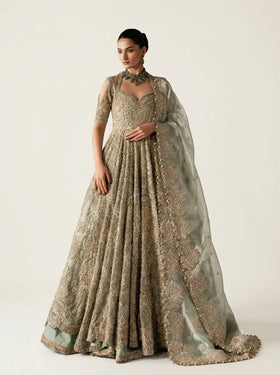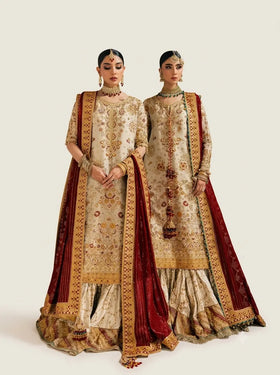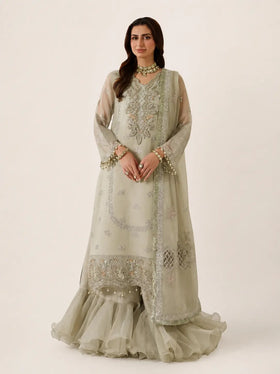


The Complete Guide to Velvet for Pakistani Weddings: Types, Styling & Care
Posted on July 26 2026

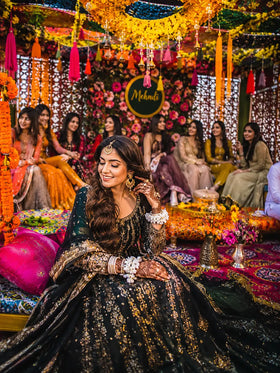
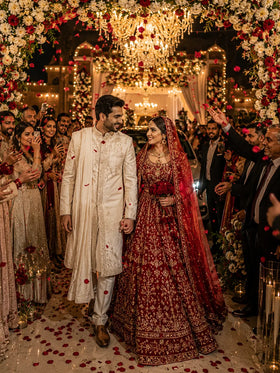
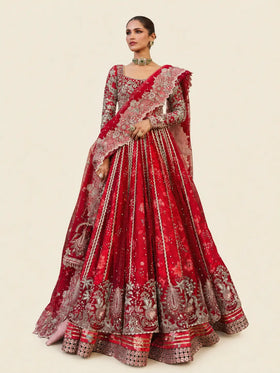
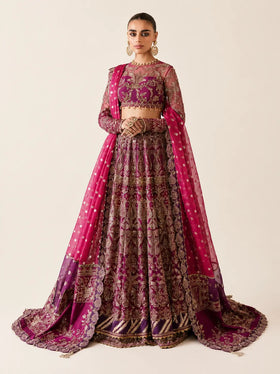
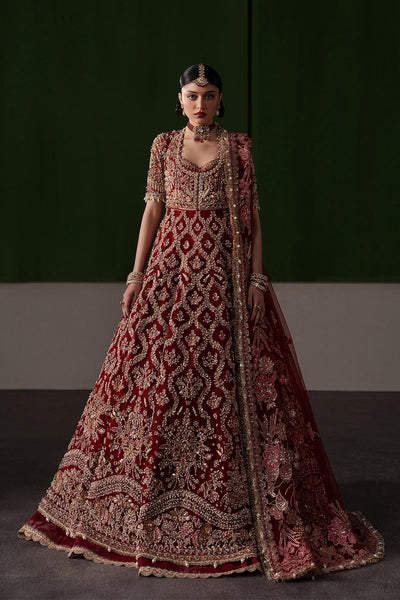
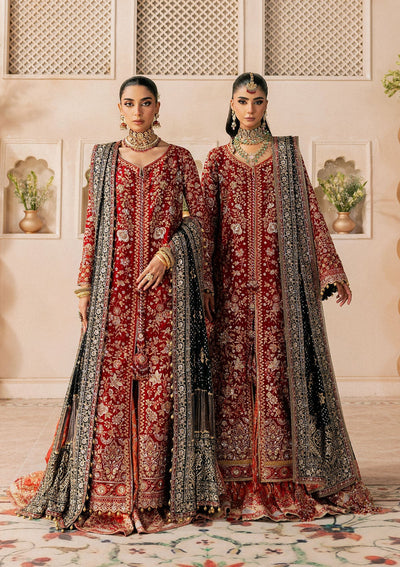
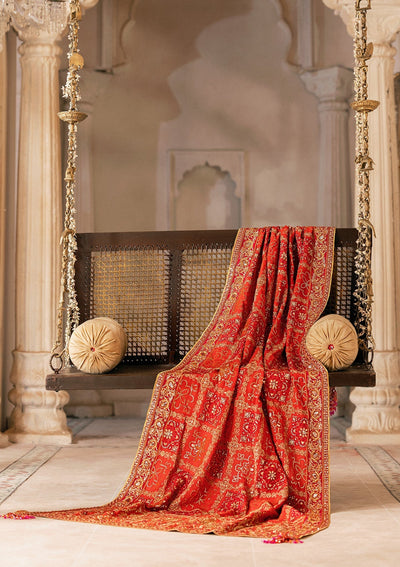
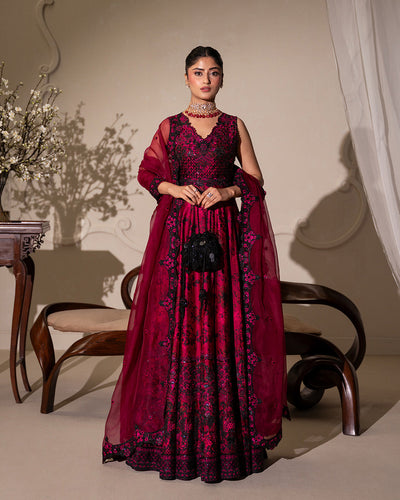
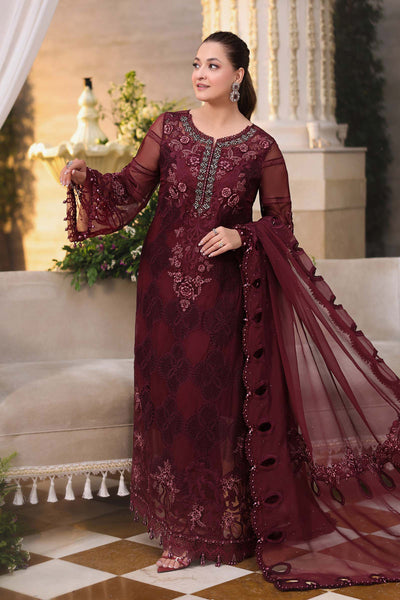
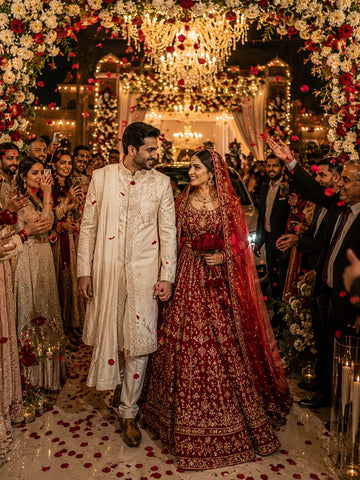
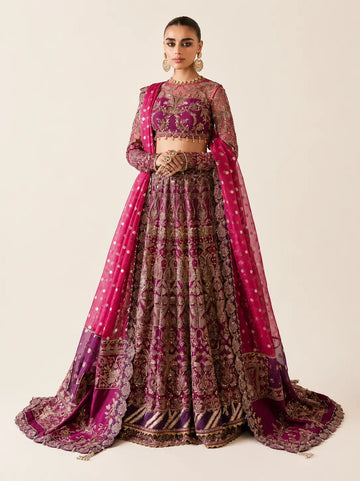
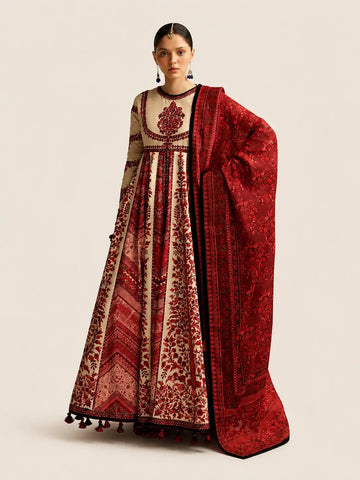
A deep maroon velvet lehenga catches the light with every step, its pile shimmering like crushed gemstones. From Mughal courts to modern mehndis, velvet has always been royalty but choosing it well, wearing it right, and keeping it alive takes more than picking a colour. This is the complete framework.
There's a particular sound a velvet lehenga makes when a bride walks a soft, deliberate whisper, not the crisp swish of silk. That sound, and the way light pools in the folds, is velvet doing what it has done at South Asian weddings for centuries: signalling opulence, lineage, and occasion.
I'll admit I was wrong about velvet for years. I thought it was a winter-only fabric, too heavy and too hot for anything else. Then I saw emerald velvet with gold zardozi at a summer mehndi, worn by someone who clearly understood the fabric better than I did, and I had to rethink the whole thing. Velvet's reputation as a difficult, cold-weather diva is only half the story — and the half that isn't true is where the best outfits live.
- Velvet's magic is the marriage of fibre and pile — silk for bridal heirlooms, cotton for breathable festive wear, polyester for affordable glamour.
- The right velvet depends on three things: the occasion, the season, and the embellishment load.
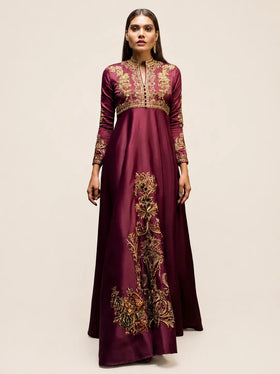
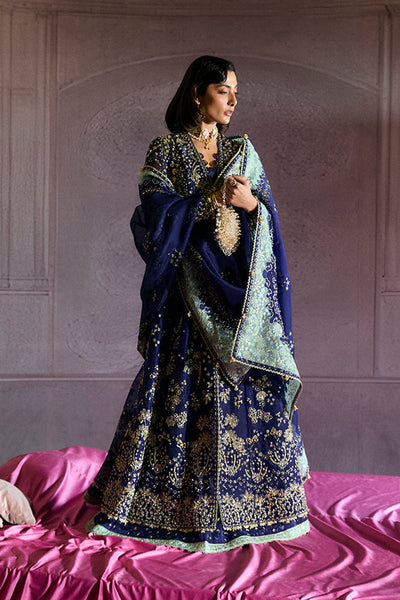
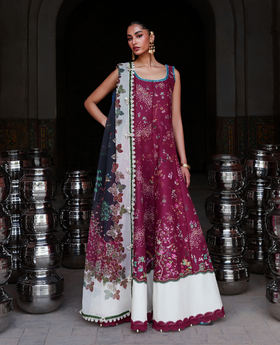
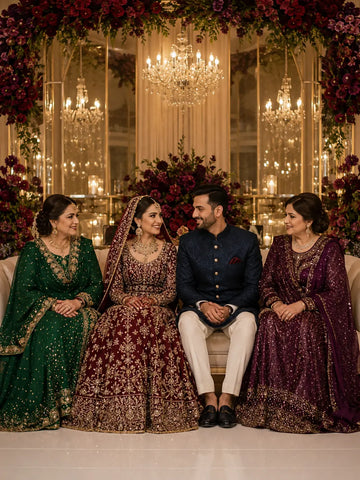
- For 2026, Pakistani designers are pushing jewel tones with metallic zardozi — emerald, maroon, and navy lead the palette.
- Never iron velvet. Steam it, brush it, and store it hanging or rolled to preserve the pile for years.
- This guide gives you the exact framework to choose, style, and care for velvet — so your outfit outlasts the wedding.
Let's start where every good fabric decision starts: understanding what velvet actually is, and why it earned its royal reputation.
What Velvet Actually Is — and Where It Came From
That sensory pull the weight, the cool slip, the way light gathers in the folds — comes down to construction. Velvet is a woven tufted fabric: an extra set of warp threads is cut to form a dense, soft pile, a forest of strands that catches light and creates the signature sheen.
Fibre is the soul of velvet. Everything else follows from it.
Silk gives liquid drape and a deep, luminous glow. Cotton breathes, which makes it surprisingly wearable well beyond winter. Rayon mimics silk's hand at lower cost, while polyester offers crush resistance but little of the movement that makes velvet feel regal. This isn't a minor spec for an heirloom piece, the fibre is the difference between a garment that lives in the wardrobe and one that lives in memory.
I watched someone choose polyester velvet for a bridal lehenga once, sold on a label promising "crush-resistant luxury." The pile was dense, but the fabric hung stiff is it refused to drape into the soft folds silk velvet gives you. Worse, the heavy zardozi, weighted with metal-wrapped thread, pressed the pile flat permanently within a day. It was a lasting reminder that on velvet, the fibre decides everything. Crush-resistance sounds like a feature until you realise you've traded away the drape that made you want velvet in the first place.
From Mughal courts to modern brides
Velvet's regal lineage runs deep. It first appeared in ancient Egypt and China, rose to prominence in Renaissance Europe, then travelled the Silk Road to the Indian subcontinent. Mughal emperors and nobles adopted it as a canvas for opulence — velvet robes encrusted with intricate gold and silver threadwork (zardozi) and glistening ribbon borders (gota). Museum collections, including at the Metropolitan Museum of Art, preserve 16th-to-18th-century velvets woven with natural dyes and metal-wrapped threads the same techniques that directly inform today's heirloom-quality bridal lehengas, shararas, and ghararas.
How Velvet Is Made
Real velvet is woven on a special loom that creates two fabric layers connected by pile threads, then cuts them apart. This double-weave process is exactly what separates true velvet from cheap glued or printed imitations and it's why genuine velvet has depth and movement that fakes can't replicate.
The pile is velvet's raised surface, and its direction changes how light hits it darker with the pile, lighter against it. That shifting sheen isn't a flaw; it's a design feature you can use, to highlight embroidery or create a slimming line. It's also the quickest quality test you have.
Run your hand over velvet in both directions. It should feel smooth with the pile and slightly resistant against it. That resistance is the sign of a dense, high-quality pile the denser it is, the better the fabric will drape, hold embellishment, and survive being worn. A thin, floppy pile with no resistance is telling you the garment will crush easily.
The Types of Velvet
Now you know how velvet is born, here's the family — the distinct types that shape every outfit decision.
Silk Velvet
The undisputed queen of bridal luxury. Its pile offers unmatched softness, a deep natural lustre, and a fluid drape that pools around the feet like liquid shadow. Pure silk breathes beautifully, which makes it counterintuitively the most comfortable choice for a heavy lehenga worn through a long night of rituals. Silk-blend versions trade a fraction of that breathability for a slightly more structured fall: still regal, a touch more forgiving.
Cotton Velvet
Understated elegance. Its matte face and shorter pile feel cooler against the skin, and it resists crushing far better than silk — a practical blessing for a daytime mehndi that stretches from dholki to dinner. It holds its shape without wilting, even in real summer heat. If you've written velvet off as too warm, cotton velvet is the piece that changes your mind.
Polyester Velvet
The workhorse of occasional glamour. Affordable, wrinkle-resistant, and carrying a high, almost wet-look sheen that photographs well under stage lighting. The trade-off is breathability — it traps heat, so it's best for short appearances rather than all-day wear. For a piece worn once or twice, it's a smart, budget-friendly pick.
Crushed Velvet
Gets its textured, shimmering surface from twisting the fabric while wet. The irregular pile hides creases brilliantly and catches light in a way that feels modern and slightly bohemian — the go-to for fashion-forward crop tops, fusion shararas, or any look that wants to break from tradition without losing opulence.
Velveteen & Embossed Velvet
Velveteen is a cotton fabric with a shorter, denser pile than true velvet — heavier, less drapey, and crisp in the way it holds shape. Perfect for a structured jacket or tailored waistcoat, a poor choice for a flowing bridal silhouette. Embossed velvet uses heat-pressed patterns to add dimension, often mimicking brocade, and works well for statement sleeves or panels.
Velvet's Properties: How Each Type Behaves
Softness and sheen
Silk velvet's natural protein fibres scatter light to create a deep, multi-dimensional lustre and a glow that shifts as you move. Polyester velvet reflects light more uniformly, often a high-gloss, almost wet-looking sheen. The pile explains the difference: silk's irregular surface catches light at varying angles, while polyester's synthetic strands produce a flatter, more consistent shine. Cotton velvet sits at the far end a soft, matte finish that feels plush without any overt gleam.
Drape and warmth
The weight and density of velvet give it a sculptural drape that holds the shape of voluminous lehengas and shararas beautifully. It doesn't just fall it stands, creating a regal silhouette lighter fabrics can't match. That density makes velvet a natural choice for winter weddings, but the fabric isn't strictly cold-weather: lighter weaves and cotton blends open the door to summer evenings, especially in breathable cotton velvet in pastel hues.
Durability and embellishment — the backing-fabric secret
Here's the piece of craft knowledge that separates a lehenga that lasts from one that sinks. The pile can be delicate, but high-quality silk or polyester velvet with a strong backing handles heavy embellishment without distorting. Counterintuitively, silk is often the more forgiving base for embroidery: its pile has a natural give, so the fibres part and settle back around the thread. Polyester's uniform surface resists, and without a sturdy backing the needle can pull the pile into tiny puckers that ruin the smooth finish.
The backing fabric is the thing most buyers never think to check, and it's exactly what I look at on any heavily embellished velvet piece. A proper backing stabilises the pile so zardozi and kundan stone work sit flush and proud, not sunken. On a genuine bridal piece the foundation is considered as carefully as the surface because it's what stops the weight of the embroidery from dragging the pile flat over time. If a velvet lehenga carries heavy handwork but feels flimsy underneath, that's the corner that was cut, and it's the one that will show first.
Velvet in Pakistani Fashion
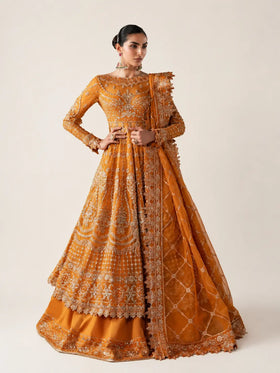
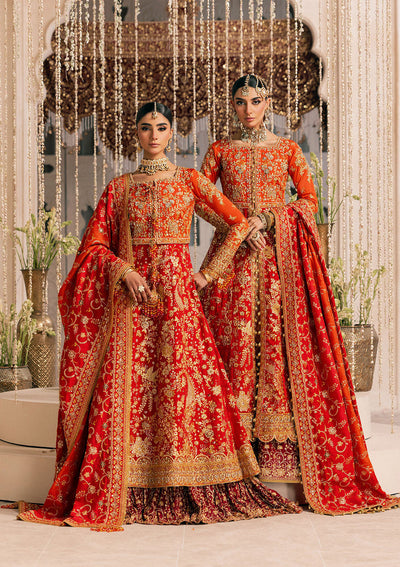
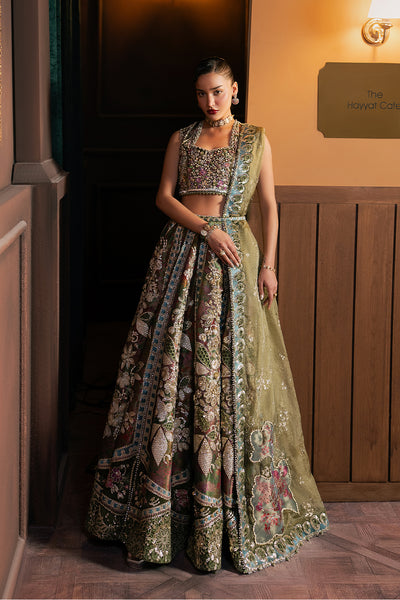
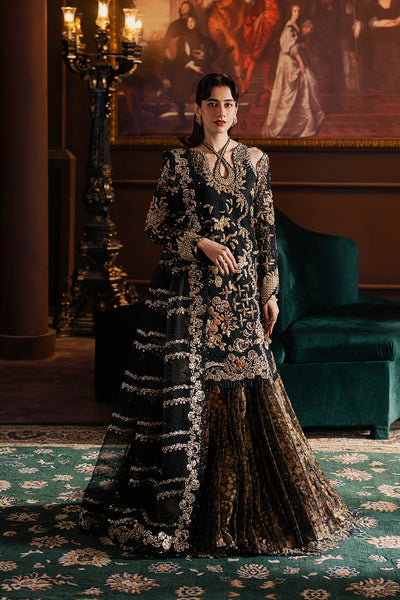
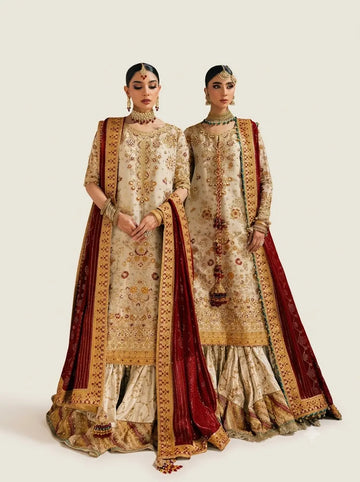
Velvet's regal aura in Pakistani culture traces directly to those Mughal court traditions, where it was reserved for nobility and lavishly embellished. Today that heritage makes it the fabric of choice for winter bridal wear, walima receptions, and Eid gatherings a signal of opulence and lineage. Its versatility across a single wedding is remarkable: a red silk velvet lehenga for the baraat, a green velvet sharara for the dholki, a black velvet gharara for a formal dinner, each drawing on the same fabric in a completely different register.
The traditional silhouettes
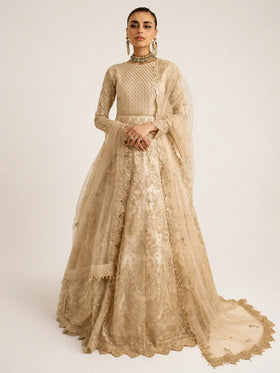
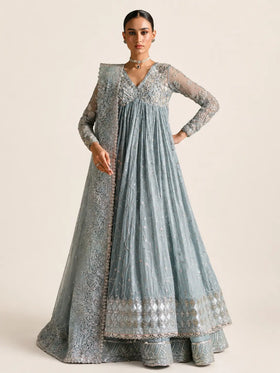
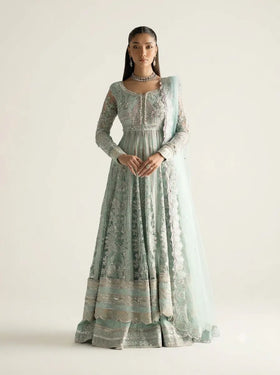
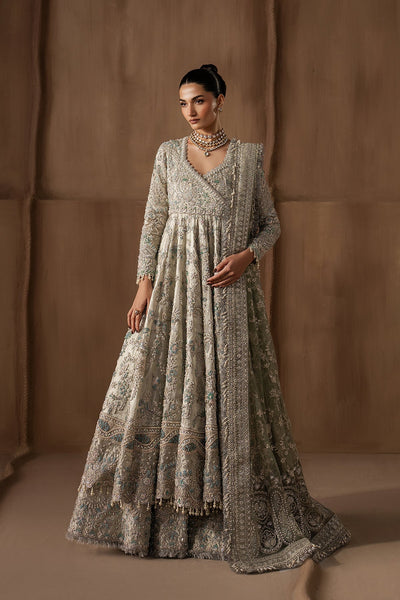
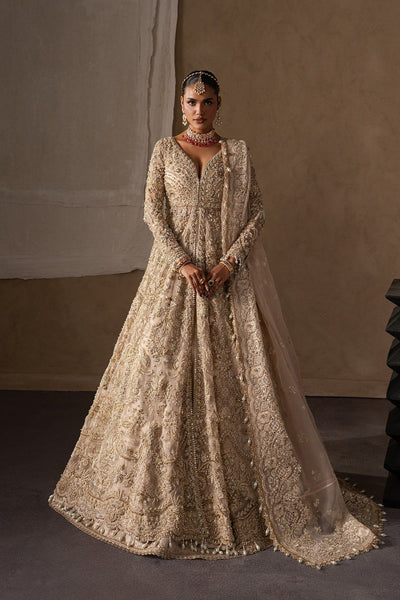
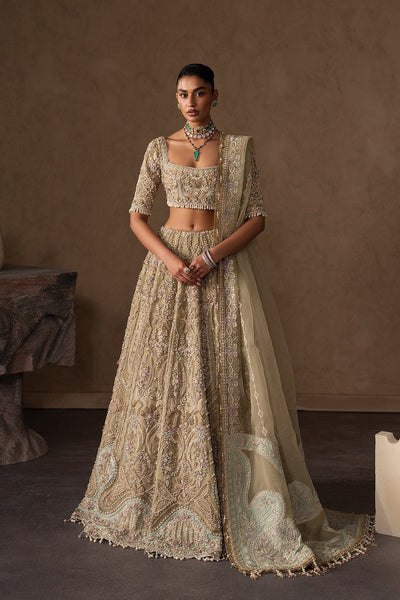
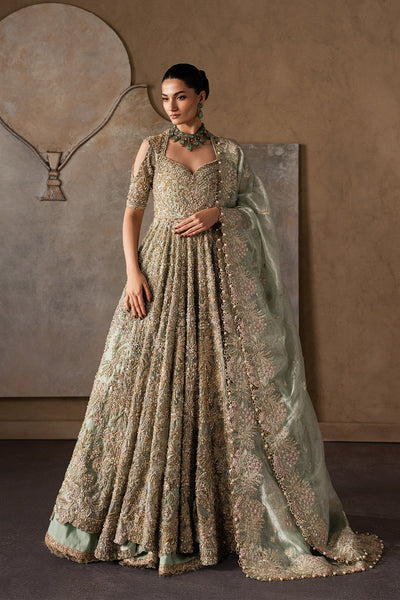
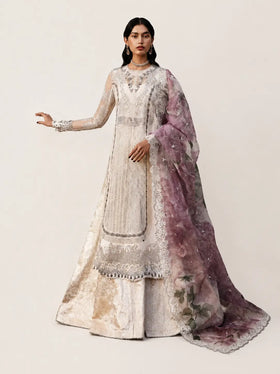
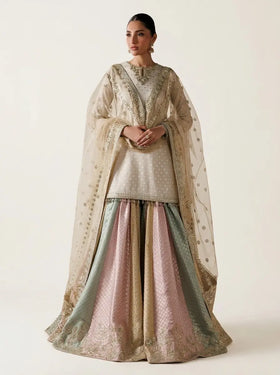
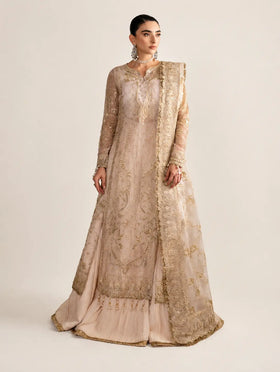
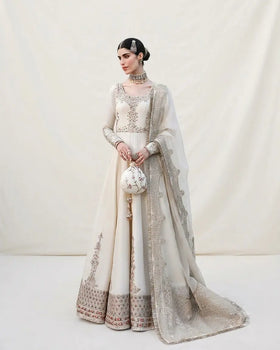
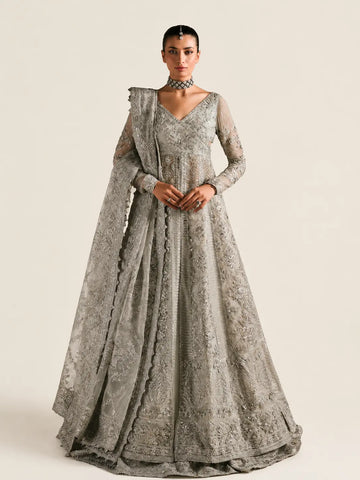
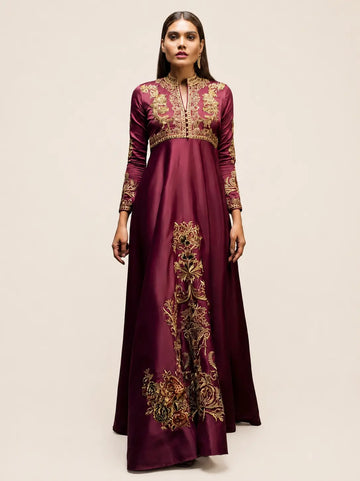
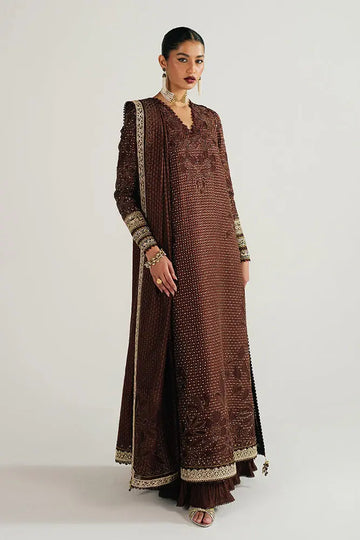
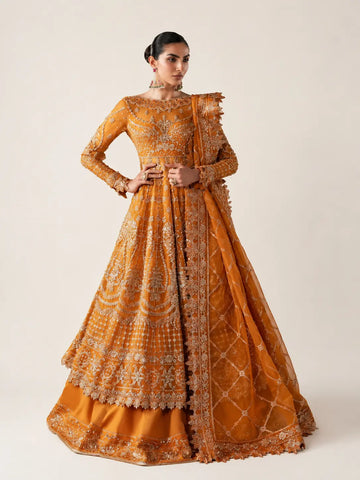
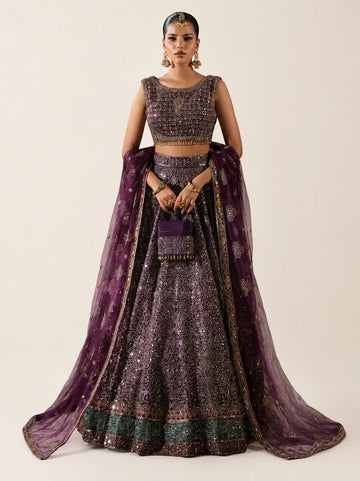
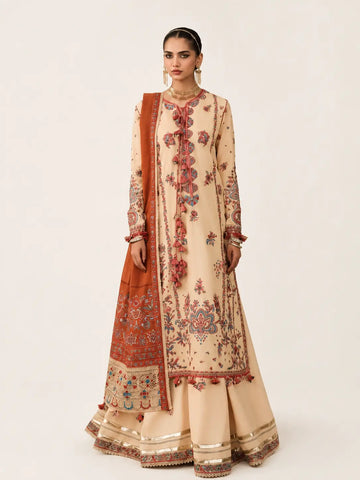
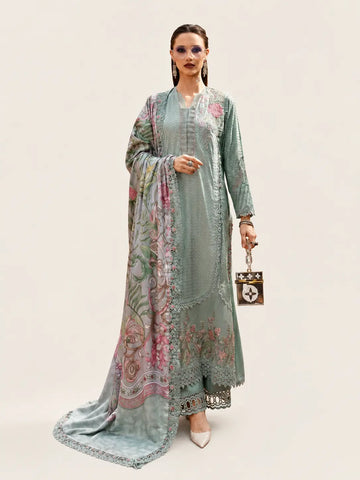
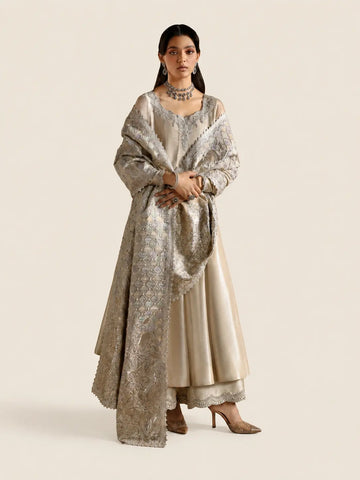
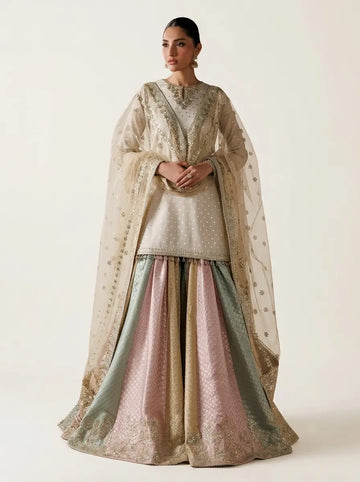
Silk velvet lehengas with heavy zardozi borders anchor the most formal looks. Crushed velvet shararas bring fluid movement to mehndi and dholki events, while cotton velvet ghararas offer a lighter, breathable option for daytime festivities. And a velvet choli paired with a net or organza dupatta is a clever way to weave velvet's richness into a summer ensemble without overwhelming the silhouette — the trick that finally made velvet a year-round fabric for me. Explore the full velvet collection, or by silhouette: lehenga choli, sharara, and gharara.
The art of embellishing velvet
Heavily embellished velvet demands that sturdy base the backing fabric that stabilises the pile so heavy embroidery stays crisp and dimensional. It's what lets elaborate gold and silver threadwork (zardozi), glistening gota ribbon borders, and kundan stone work sit proudly on the plush surface rather than pulling it into puckers. Across a full wedding season's worth of velvet pieces, this single technique is the difference between embroidery that stays sharp and embroidery that sinks and loses its definition within a few wears.
Velvet through the seasons
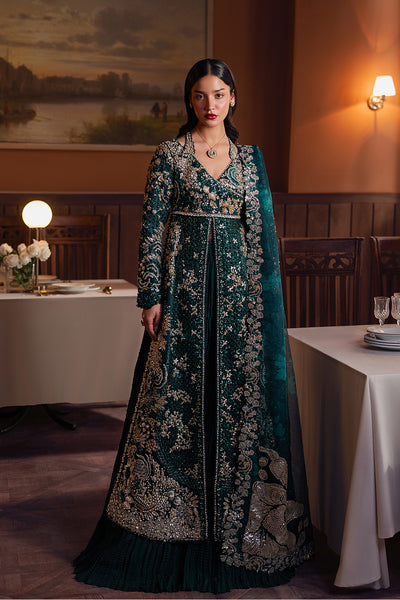
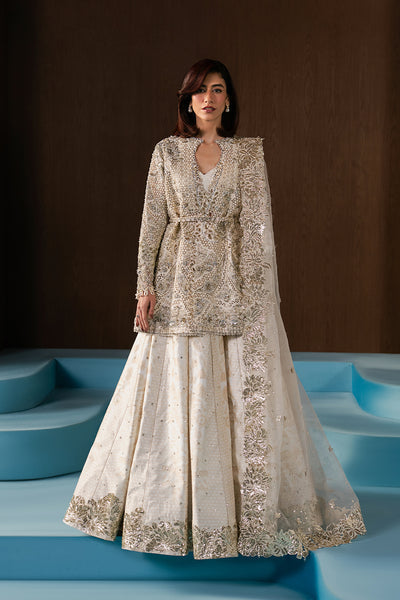
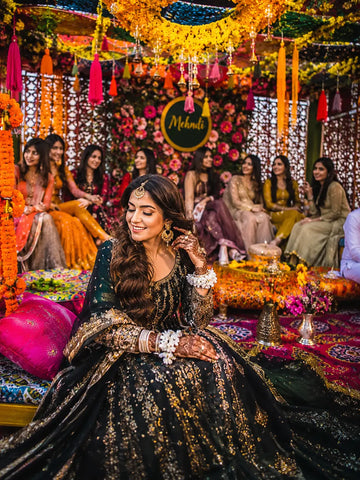
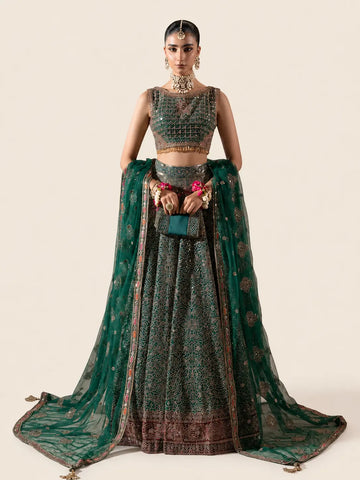
Seasonal styling is what transforms velvet from a winter staple into a year-round luxury. For summer weddings, lightweight cotton velvet or silk blends in pastel shades, paired with sheer organza dupattas, reduce heat retention while keeping the lush touch. Winter invites heavy silk velvet in deep jewel tones and emerald with gold zardozi, deep maroon with antique gold often layered with a velvet shawl or brocade jacket. Same fabric family, two entirely different seasons.
How to Choose the Right Velvet for Your Outfit
The quiz gives you a starting point; here's the full reasoning behind it, so you can judge any piece yourself.
Match weight and sheen to the event's formality
The heavier and more lustrous the velvet, the more formal it reads. For a bridal main event, pure silk velvet's deep lustre and fluid drape make it the natural choice for a regal lehenga. Crushed velvet's shimmering texture suits contemporary guest wear. Cotton velvet's matte softness lends itself to pre-wedding functions like dholkis, while a rich polyester gharara or straight pants can anchor a formal dinner look.
Consider the venue's climate control
Air-conditioned halls forgive heavier velvets; outdoor events demand breathability. In hot, humid conditions, avoid heavy silk — choose cotton or a silk-cotton blend that won't trap heat. For cool, dry weather, any velvet works, but silk feels especially luxurious against the skin. A pure silk velvet shawl in a jewel tone is a clever winter-outdoor solution: warmth without sacrificing the drape that photographs well.
Factor in the embellishment load
Heavy embroidery requires a sturdy base. Silk velvet with a cotton backing, or a high-quality polyester, holds elaborate zardozi and kundan stone work without puckering. Minimalist looks suit smooth silk velvet with delicate thread work or subtle gota accents. The rule: the heavier the handwork, the more the foundation matters.
Budget by longevity, and run the scratch test
Invest in pure silk velvet for a main bridal outfit — it's an heirloom in the making. For guest wear that still photographs richly, a high-quality polyester with a dense, even pile does the job; silk-cotton blends sit in the middle. Whatever the tier, run one quick test: gently scratch the surface. If the pile doesn't spring back, the garment will crush easily.
Velvet Colour Trends for 2026
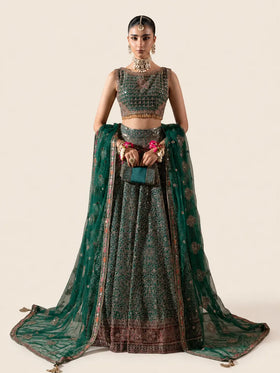
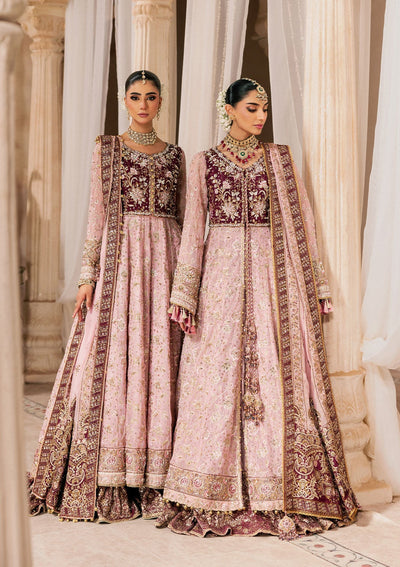
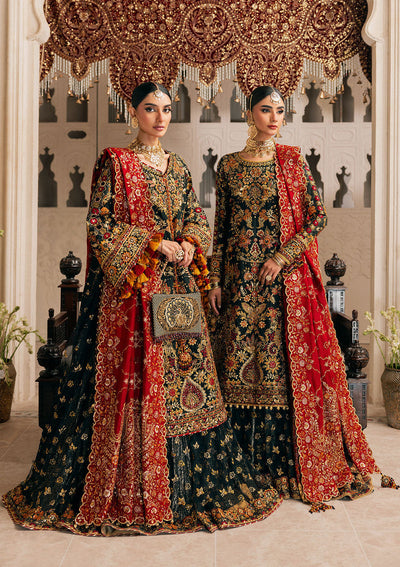
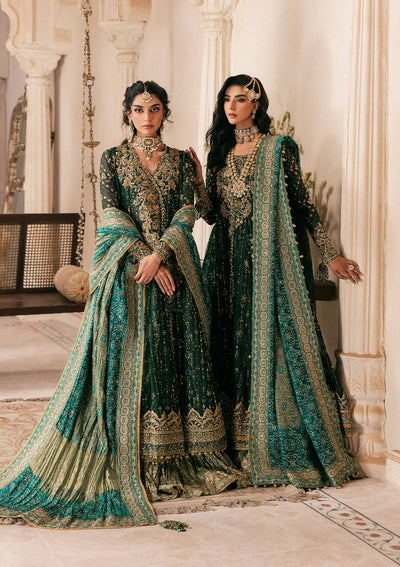
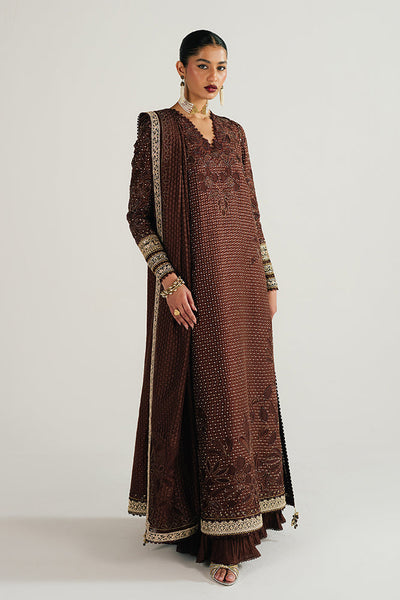
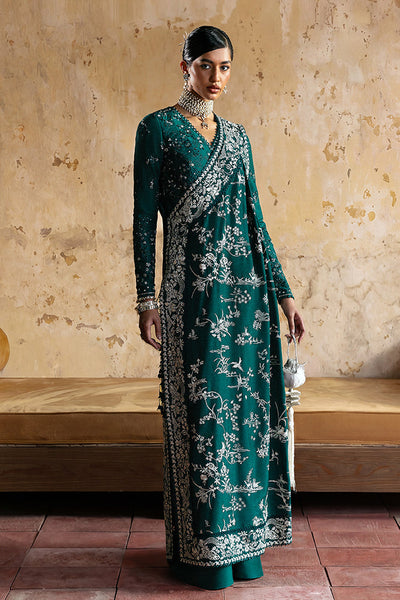
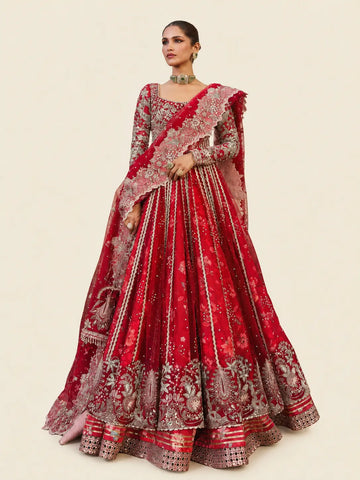
Classic reds and maroons remain the cornerstone of Pakistani velvet formals — a deep crimson velvet lehenga with glistening ribbon borders and kundan stone work still stops the room. But 2026 is pushing jewel tones to the front, and the standout combination is emerald velvet with gold zardozi. At this year's bridal showcases in Lahore, emerald velvet lehengas dripping in gold and silver threadwork were everywhere; the way the pile catches light makes the metallic accents look almost molten.
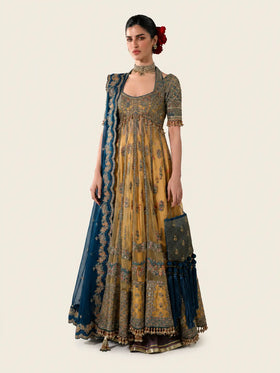
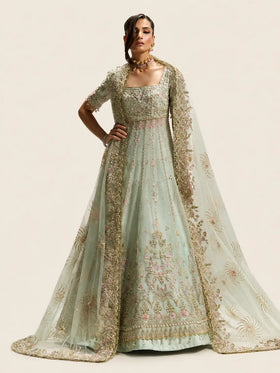
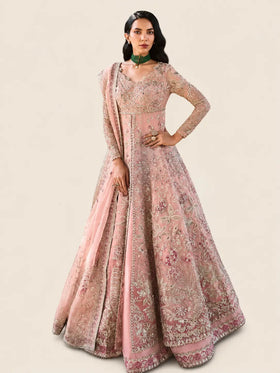
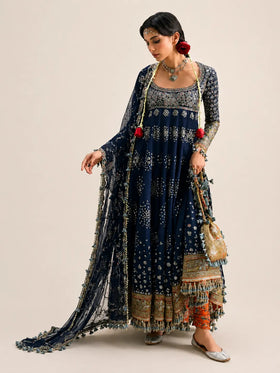
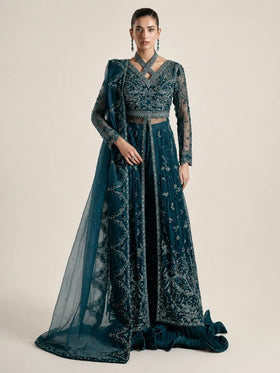
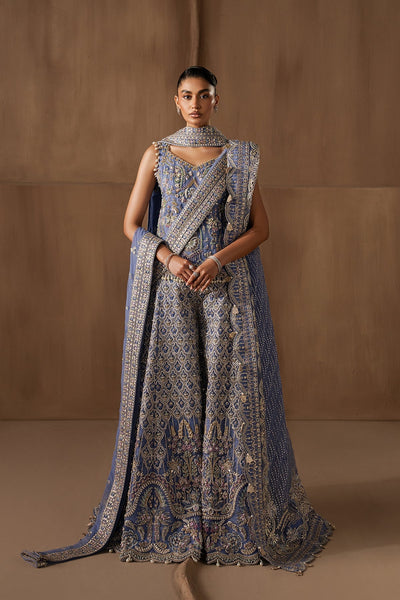
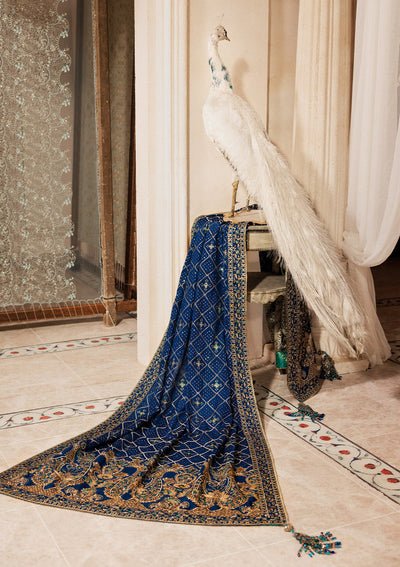
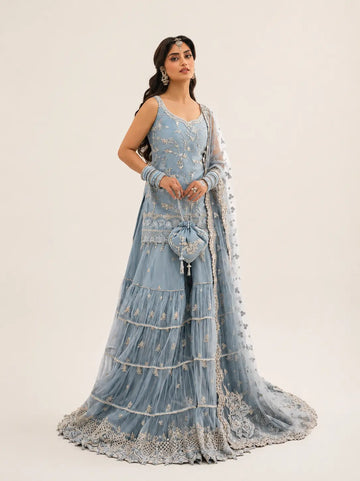
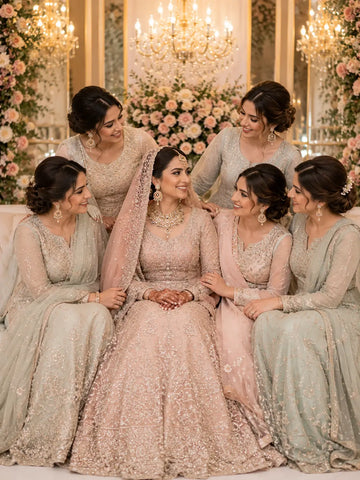
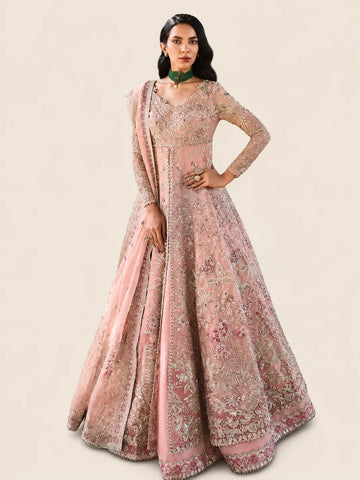
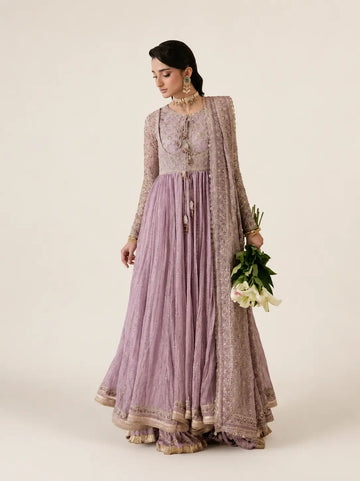
Beyond emerald: navy and midnight blue offer a modern alternative to black, especially embroidered with gold. Blush and dusty pink velvets bring a romantic, softer twist is ideal for mehndi and mayun where you want opulence without heaviness.
Seasonal palettes
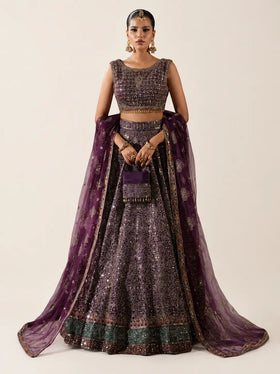
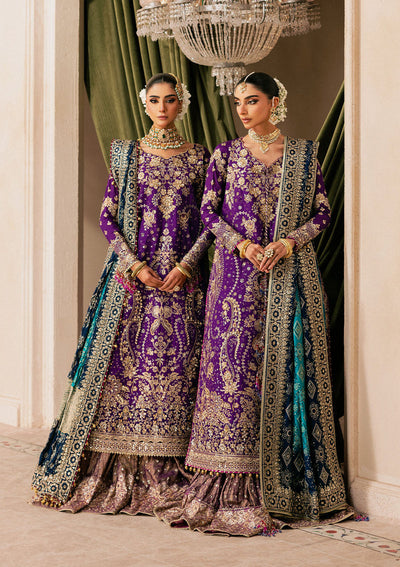
Winter calls for rich, warm depth burgundy, rust, and deep purple feel like a second skin in cold weather, their colour amplified by low winter light.
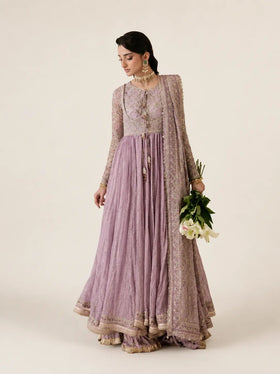
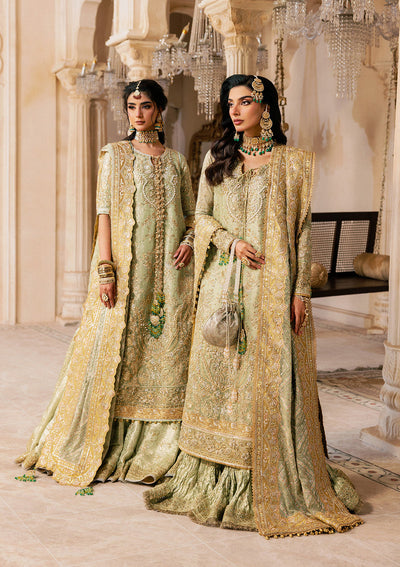
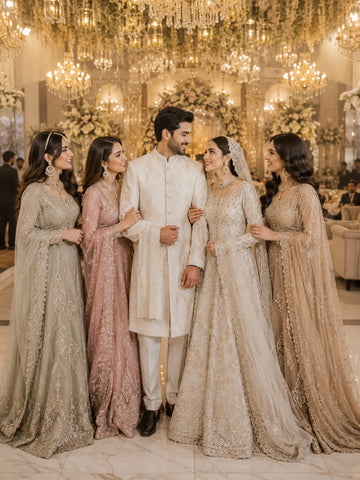
Summer shifts to lighter hues — peach, lavender, and sage keep the look airy while still holding that signature sheen.
Choosing a colour for a wedding you're attending rather than hosting? Our wedding guest colours guide covers which shades work for which event, and the ones to avoid.
Pairing Velvet with Other Fabrics
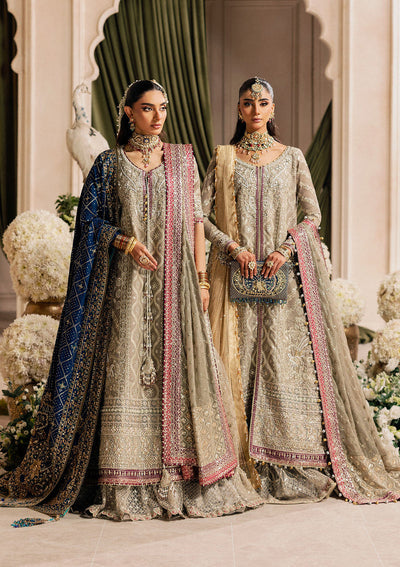
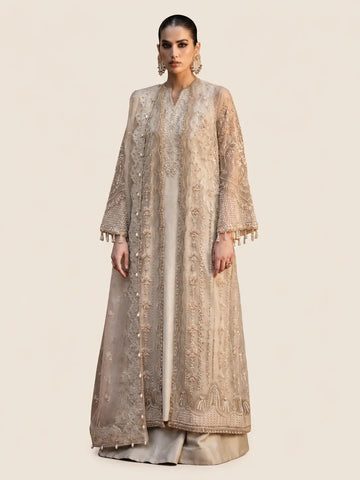
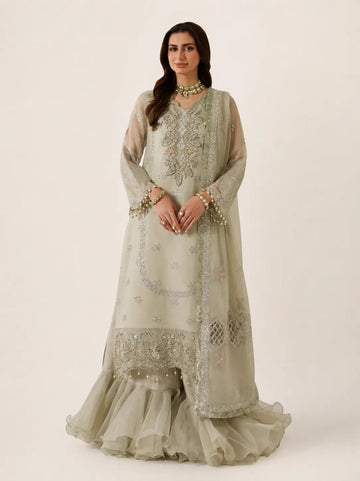
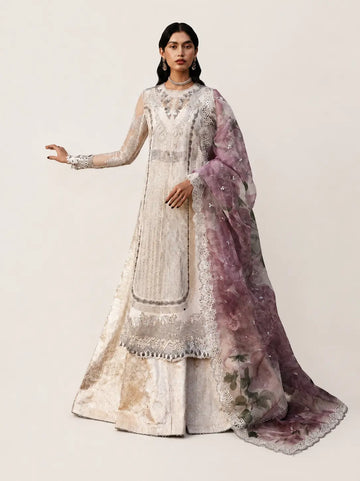
Monochromatic texture play is the quiet secret of the most polished looks. A velvet lehenga with a net dupatta creates contrast without clutter — the sheer net lets the velvet's pile do the heavy lifting. Velvet with organza works as a sheer overlay to lighten a heavy ensemble. And a chiffon kameez paired with velvet shalwar or the reverse balances fluidity against structure (if you're styling lightweight formals, check out our Complete Guide to Chiffon fabric.The principle: let velvet be the weight, and let a sheer fabric be the breath around it.
Velvet Care and Maintenance
Velvet rewards good care with years of life and punishes bad care immediately. Here's the protocol.
Cleaning and stain removal
Always check the care label first. Silk velvet, especially when embellished, is almost always dry-clean only. For unembellished cotton or polyester velvet, spot cleaning is a last resort: mix a few drops of a mild, pH-neutral detergent with cool water, blot the stain gently with a clean white cloth, and never rub — rubbing distorts the pile and spreads the stain. Always test on an inside seam before you touch the visible area.
Ironing crushes the pile permanently. Steam is the only safe way to release wrinkles. Hang the garment on a padded hanger, fill your steamer with distilled water to avoid mineral spots, and start from the inside, holding the steamer head a few inches away and moving constantly. Then steam the outside, always in the direction of the pile. Let the piece dry completely before wearing or storing. A single pressed-flat, shiny patch from a hot iron is the one velvet mistake that genuinely cannot be undone.
Don't panic when a velvet piece comes out of storage looking crushed and lifeless it's usually recoverable. Steam it gently from the reverse side and the pile slowly rises back to life; the steam relaxes the fibres without crushing them further. For light crush marks from sitting, simply hanging the garment in a steamy bathroom often brings the pile back. The only crushing that's permanent is the kind an iron causes — everything else, steam can usually fix.
Storage
Hang velvet on a padded hanger; for heavier lehengas or shararas, use a clip hanger that distributes the weight. Never fold folding creates permanent creases that even steam can't fully reverse. If you must fold, layer acid-free tissue between the folds and refold periodically. For travel, roll the garment with the pile facing inward, wrapped in a clean cotton sheet. Store in a breathable garment bag, never plastic, and brush regularly with a soft-bristle velvet brush to lift dust and restore the pile's direction.
Embellished pieces need extra care
Anything with zardozi, gota, or kundan is dry-clean only, and the weight of the embellishment can distort the fabric so store these flat whenever possible. If hanging, use extra support and padded hangers to relieve stress on the seams. Before storing, inspect every inch for loose beads or threads and have them repaired immediately: a single missing stone can unravel an entire border.
Velvet Types at a Glance
| Type | Fibre | Sheen | Durability | Best for | Breathability |
|---|---|---|---|---|---|
| Silk Velvet | 100% silk | Deep natural lustre | Delicate; crushes easily | Bridal, heirloom lehengas | Most breathable |
| Cotton Velvet | 100% cotton | Matte, soft finish | Durable; resists crushing | Daytime events, summer shararas | Very breathable |
| Polyester Velvet | Polyester | High, artificial sheen | Very durable; wrinkle-resistant | Budget-friendly party wear | Least breathable |
| Crushed Velvet | Polyester or silk blend | Textured, shimmering | Hides creases well; durable | Contemporary party wear, mehndi | Varies |
One honest note on breathability: the gap is smaller in practice than the labels suggest. A well-made crushed velvet in an outdoor summer event can wear cooler than you'd expect — pile density and weave matter as much as fibre. When in doubt, ask about a specific piece before you buy.
Shop authentic velvet, held in the UK
Bridal silk velvet, festive cotton velvet, and everything between — UK stock, no customs, free UK delivery, and free custom stitching to your measurements.
Browse the Velvet Collection →Velvet FAQs
What is the difference between velvet and velveteen?
Is polyester velvet a good choice for summer weddings?
How do I remove water stains from velvet?
How can I tell if velvet is genuine silk?
Can I dye velvet at home?
How do I fix crush marks on velvet?
Can velvet really be worn in summer?